Rojita Tiwari wears many hats — and most of them come with a pour. A globetrotting drinks writer, sommelier, educator, consultant, and certified booze judge (yes, that’s a real job), she’s been stirring things up since 2006.
Founder of Drinks & Destinations, India’s go-to consultancy for all things wine, spirits, and strategy, Rojita has introduced Baijiu to India, helped launch a Whisky, and judges everything from wine to whisky, rum, gin, vodka, mezcal, baijiu to sake at top global competitions such as CMB and Spirits Selection. She’s bagged titles like Best Wine & Food Influencer (Wine Travel Awards 2023), Ambassador of the Industry Title and twice made it to the “Top Ten Women in Wine in India” list — cheers to that! She is also the only certified International Ambassador of Moutai Flavour Baijius in India.
You’ll find her words in Drinks International, Whisky & More, Rumporter, Mint Lounge, Spiritz, Sommelier India and more.
Want to raise a glass or a campaign?
Reach her @drinksanddestinations or email drinksanddestinations@gmail.com.
Cheers!
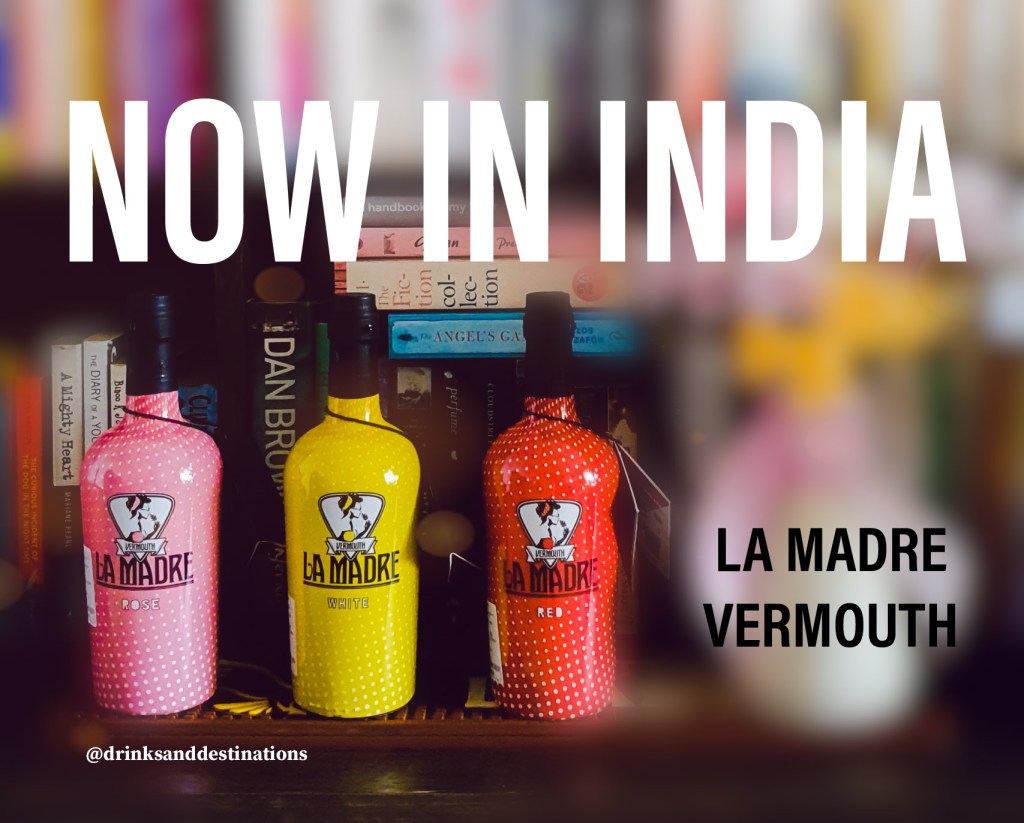
The rising cocktail culture in India has opened doors to many international mixers, bitters, and brands in the aperitif drinks category. The increasing popularity of low-alcohol, aromatized drinks using herbs and spices, etc. has expanded the market for such drinks even further. Understanding this trend, Morgan Beverages, one of the prominent importers of ciders, German beer, Italian wines, and specialized spirits has recently launched La Madre, a premium chic vermouth from Spain.
La Madre Vermouth is a one-man project by Josep Maria Castillo and a new entrant in the vermouth market in Spain. Josep used to work as an oenologist in various wine domains in Terra Alta, Spain.
What makes La Madre special is the unique selection of botanicals. La Madre is made from 32 botanicals, with 22 being native to the region of Tarragona in Spain. The vermouth is produced by the process of a long period of maceration with aromatic herbs in ceramic amphora after which the “MOTHER” essence of the vermouth is obtained. It is then aged for 6 months in barrels to enhance aromas. The essence is carefully assembled with selected wines thus obtaining the special La Madre vermouth.
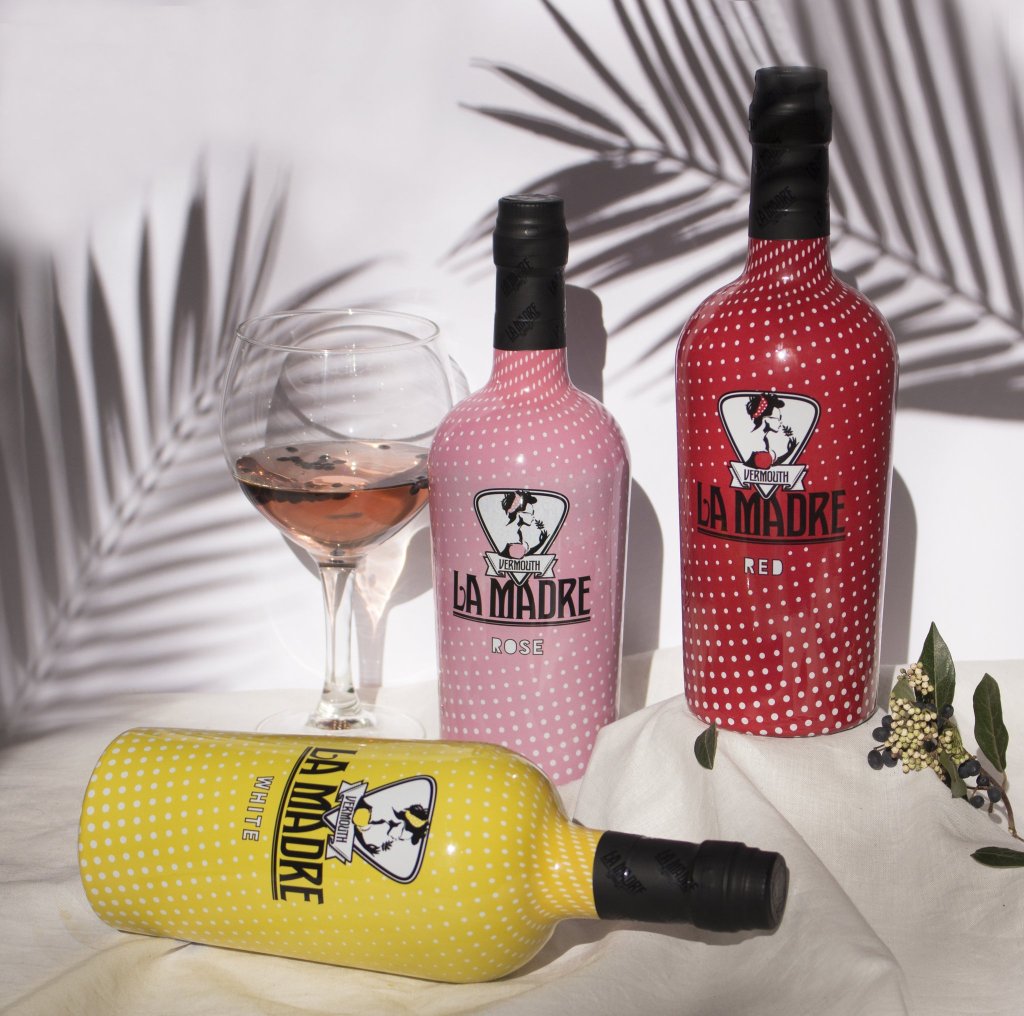
The 3 variants of La Madre imported to India and now available in Mumbai and Pune are – La Madre White, Rose, and Red.
La Madre White is macerated with green apples in addition to the botanicals. Which makes it delicious vermouth with delicate notes of herbs, licorice, citrus with a finish of apple smoothness and hints of bitter roots. Perfect to drink it with soda, tonic, just with ice and a slice of orange, or make some delicious cocktails that even a non-vermouth drinker can’t resist.
La Madre Red is made with all-natural flavours, white Granache, Macabeo grapes, 32 botanicals. On the nose, it depicts powerful aromas of sweet spices such as cinnamon, off-dry taste on the palate with a slightly acidic finish. Overall has a taste of fresh grapes, cardamom, hint of dried berries, some bitterness from the herbs. Interesting vermouth for many of the cocktails using Indian flavours.
La Madre Rose derives its colour and flavour through maceration with strawberries along with the botanicals. It has a bright pink colour with subtle notes of red berries, intense aromas of strawberries, citrus peel, sweet cane, and cinnamon with a complex and velvety texture on the palate. Enjoy it in a perfect beach cocktail or just with some ice and citrus garnish.
The vermouths are priced at Rs 3800 (white), Rs 2900 (Red), and Rs 3600 (Rose).
This innovative, youthful, and refreshing vermouth brand is bound to lead the ever-evolving cocktail space in India.
(Did you know that vermouth is a basic ingredient for cocktails such as Negroni, Martini, Americano, Manhattan, and Rob Roy?)
For more updates from the drinks world follow us on Instagram @drinksanddestinations.
There’s a whisky fit for every dad and if you are wondering what to gift your dad this father’s day, this will come in handy. #HappyFathersDay
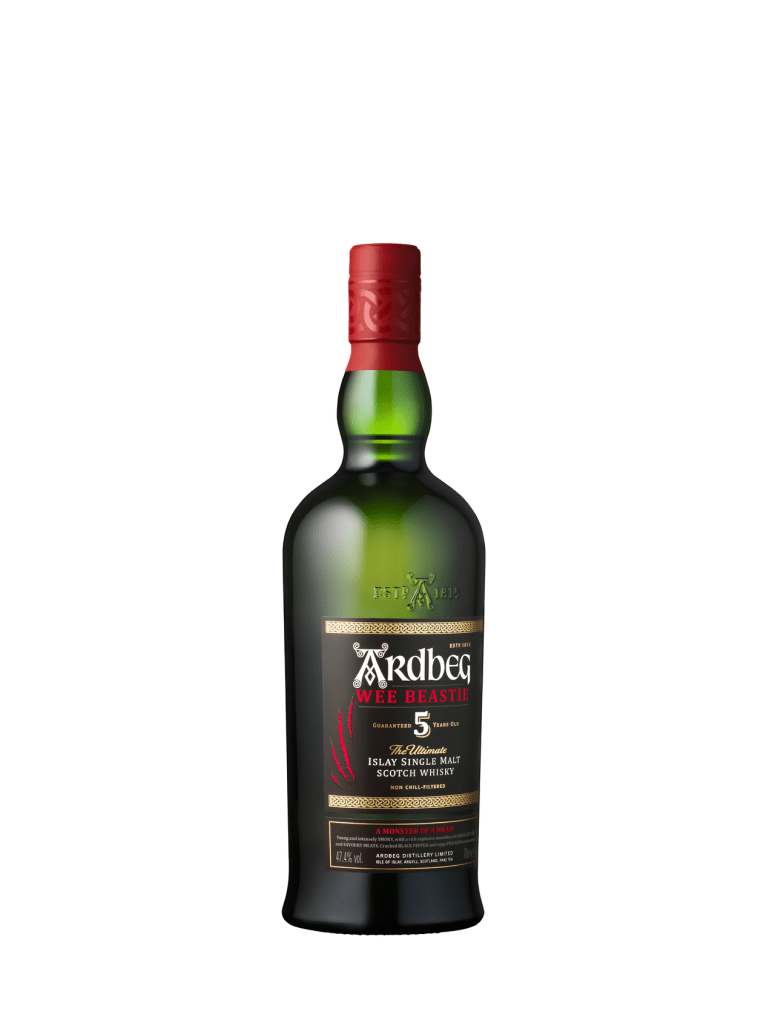
1) Adventure Loving Dad – Ardbeg Wee Beastie (New)
From elusive sea creatures to eerie hillside half-breeds, the Ardbeg Distillery has a history of exploring inexplicable legends in their bottlings. Ardbeg Wee Beastie has been described as a ‘monster of a dram’ with a formidable bite with each sip. It’s nothing like you have tasted before and is a must-drink for all the wild ones out there! Matured for 5 years in ex-bourbon and in Oloroso sherry casks, this youngest Ardbeg is a raw, tongue-tingling, smoky dram.
Price: Rs 5180 (Delhi) Rs 8300 (Mumbai)
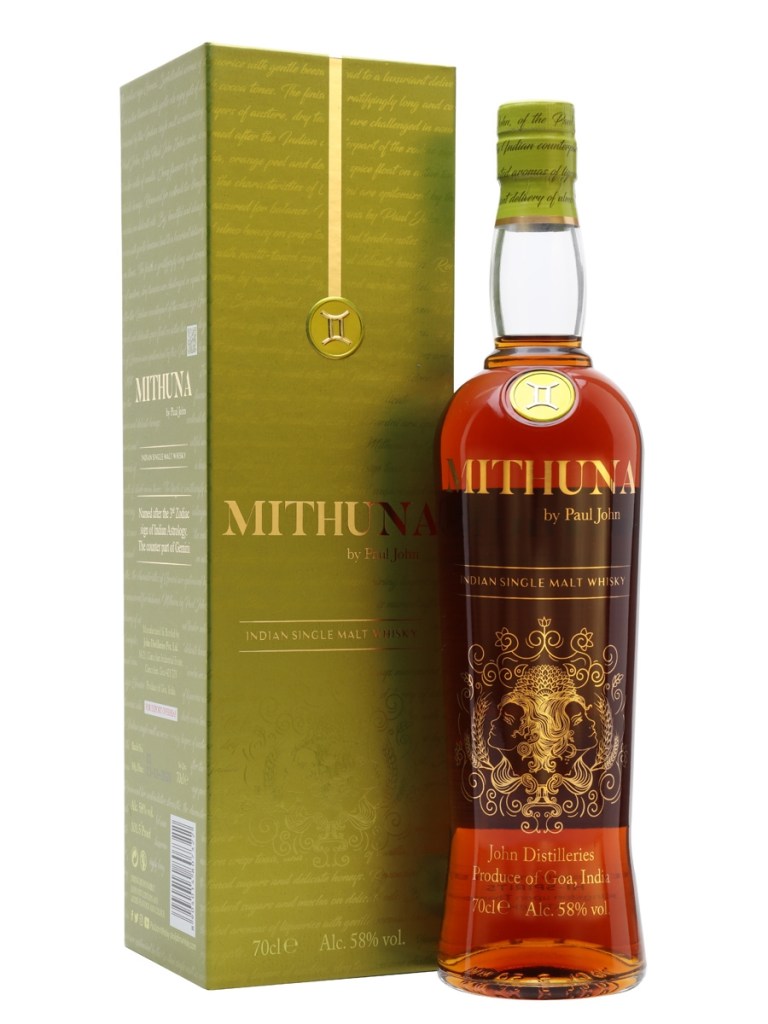
2) Collector Dad – Paul John Mithuna
This second limited-edition special release based on zodiac signs by the Indian single malt producer Paul John’s Mithuna (Gemini) is a collector’s item. The distinctive flavours of coffee mocha, orange peel, and delicate spices on the palate make it an even more pleasurable experience. The product has been rolled out in selective markets in India and abroad.
Price : Rs 22,000 (Mumbai)
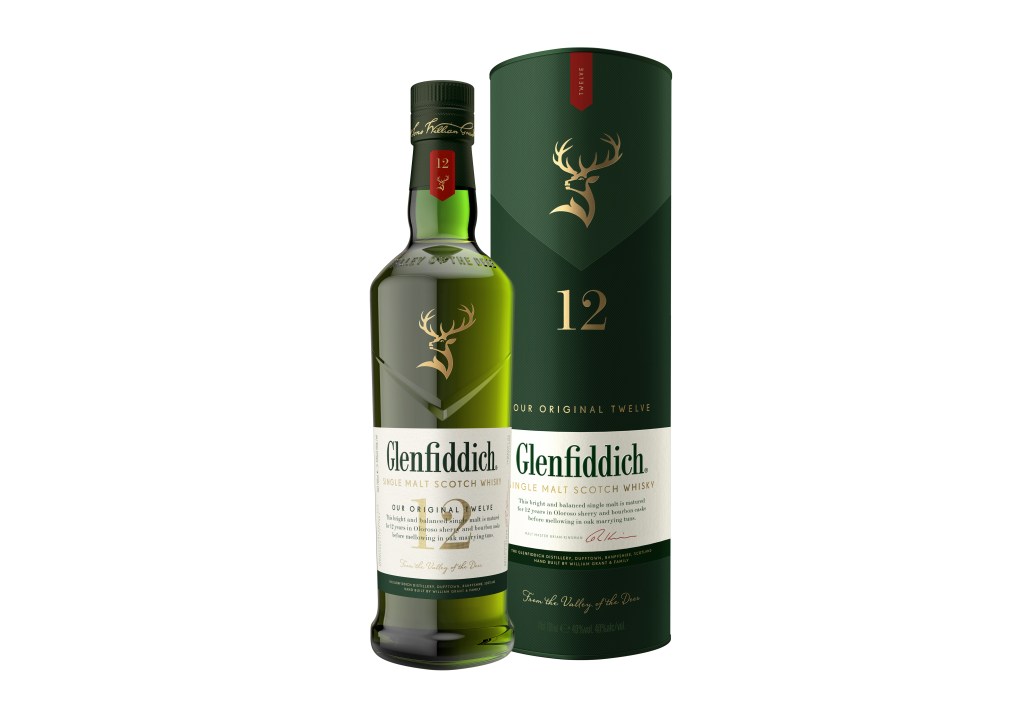
3) Classic Dad – Glenfiddich 12
Glenfiddich Flagship Images
A classic Speyside single malt scotch whisky for the dad who loves to socialize, and tell his stories. Glenfiddich’s signature malt is matured in the finest Oloroso sherry and bourbon casks and uniquely married in oak tuns for at least 12 years, to give a beautifully balanced nose complemented by refreshingly rich and complex notes of fresh pear and subtle oak, making it an ideal and classy gift for the whisky aficionado.
Price: Rs 3860 (Delhi)
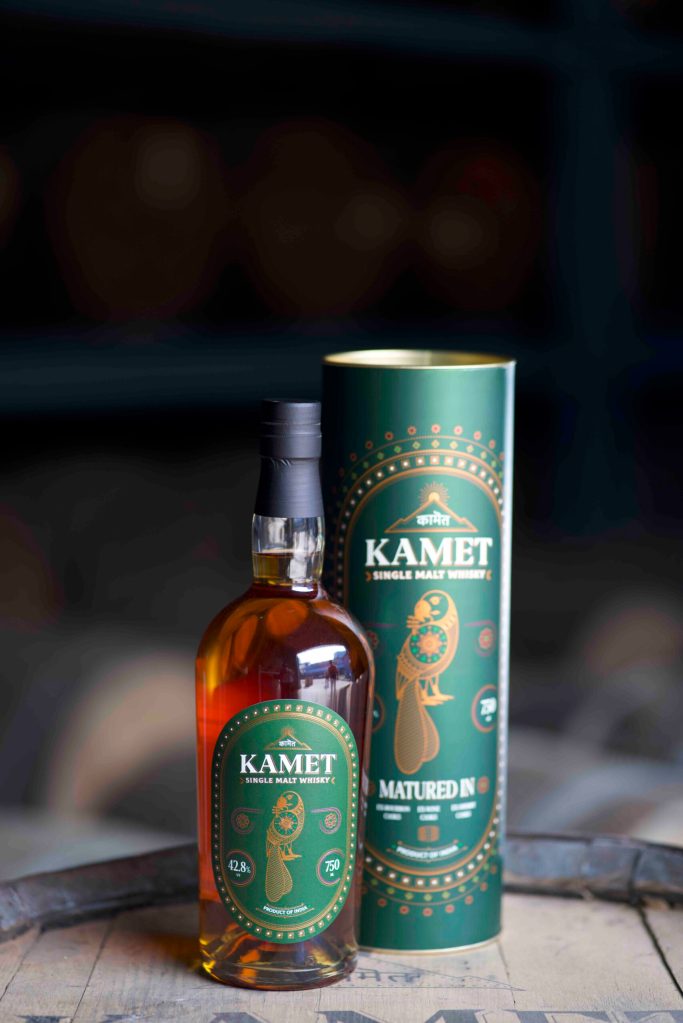
4) All-Indian Dad – Kamet Single Malt (New)
This new addition to India’s growing single malt market and homegrown spirits is a perfect gift for the dad who is #vocalforlocal and swears by Made in India products. Kamet single malt whisky is a crowd-pleaser in terms of its fruity aroma profile with oaky spice forward notes, complemented with vanilla and caramel on the palate.
Price: Rs 2999
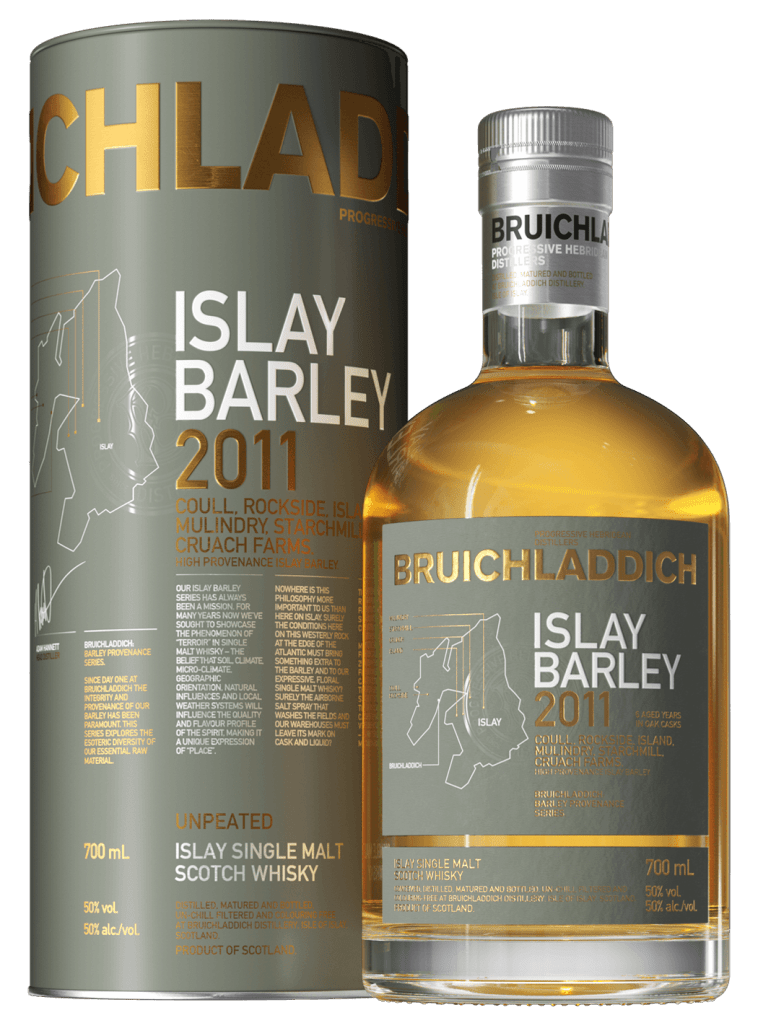
5) World’s Best Dad – Bruichladdich
This scotch whisky is for the dad who ticks all the boxes. The Classic Laddie is made from 100% Scottish barley, trickle distilled, then matured for its entire life in premium American oak. This no-age-statement, un-peated Islay single malt is everything that you want in a dram. From the sturdy packaging to the liquid inside this makes it a perfect gift for the best dad in the world.
Price: Rs 18,500 (Mumbai)
6) Maverick Dad – Kavalan (ex-bourbon oak) Single Malt
For the independent-minded and unorthodox dad who is a non-conformist. This award-winning single malt from Taiwan is a rare find. Over the last few years the popularity of Kavalan has made it one of the most sought-after whiskies in the world. Thankfully it is now available in India. The Kavalan spring water certainly makes all the difference in case of this single malt. With aromas of vanilla, nutmeg and banana notes and Fresh and sweet with creamy barley, coconut, and soft oak on the palate, this whisky reminds you of a tropical sunset.
Price: Rs 14500 (Delhi) (Also, available on duty-free)
7) Mellowed Dad – Lagavulin 16
The most sought-after peaty single malt, Lagavulin 16 is perfect for the dad who loves tranquillity and has a favourite corner in the house where he likes to relax with a dram of his choice. Lagavulin 16 is also the style of whisky appreciated by every peat whisky lover.
If you thought that ‘terroir’ is a word associated only with wine or cognac then think again. Even though it’s a concept borrowed from the wine world, a particular region’s climate, soils and terrain can certainly affect the taste of whisky. Rojita Tiwari highlights some of the ongoing discussions on ‘terroir’ in the whisky world.
Research conducted by a team of international academicians recently presented the first paper from The Whisky Project which investigated the basis of terroir by examining the genetic, physiological and metabolic mechanisms of barley contributing to whisky flavour (source: The Spirits Business). Another research also indicated that terroir is present in the case of barley and the single malt whisky made from grain.
We could look at it from a simple perspective. For example, any particular fruit or vegetable that is grown in two different regions always taste different. Orange from Seville, Spain and orange from Nagpur, India are different. Or, like in the case of wine, Cabernet Sauvignon grape from Bordeaux has a world of difference from the Cabernet Sauvignon grown in Nashik, India. The same theory can be applied to barley or corn. But it doesn’t exactly work that way. Because, the principle of winemaking is to keep all the flavours of the grapes during the production process, whereas in the process of making whisky certain types of flavours are removed and adjustments are done leaving a lot to the maturation process. While distillation removes terroir, maturation further masks whatever influence of terroir is left in the spirit.
However, no one can deny the fact that the reason why America produces the best whiskey from corn is that it produces the best quality corn in the world. And, yet no two distilleries producing bourbon would have similarities. That itself is proof of how important terroir is. American whiskey, bourbon is made from a minimum of 51% of corn.
While the research on the subject still continues, terroir is not exactly a new concept in whisky. More and more distillers in recent times are paying attention to it to define signature styles and flavour profile, despite having to adhere to a defined regional law such as in the case of bourbon, scotch, Canadian, Irish whiskey or more recently Japanese whiskies.
Since whisky is all about water, yeast and barley, it’s surprising that for the longest time not many spoke about the importance of the barley even though there was always a huge emphasis on the water source or quality of water. So, when we talk about whisky, barley or corn is what brings terroir into the picture.
On this ‘World Whisky Day’ let’s focus on how soil, weather (microclimate) and environment (topography) affect flavours in some of the popular whisky brands in the world (Please note that we are only considering whiskies that follow a strict protocol and abide by the international laws of whisky making).
Bruichladdich has been leading the discussion on terroir-driven whisky making for a long time. The distillery located in Islay, Scotland is experimenting on the single malt range. It uses locally-grown barley grown in different conditions as well as uses different varietals. Bruichladdich’s founder Mark Reynier has now replicated the experiments by taking it to a new level at Waterford, the new Irish distillery project.
There are many global whisky producers who use the idea of “grain to glass” (or “field to bottle” as this particular distillery likes to call it) which is another example of putting emphasis on terroir.
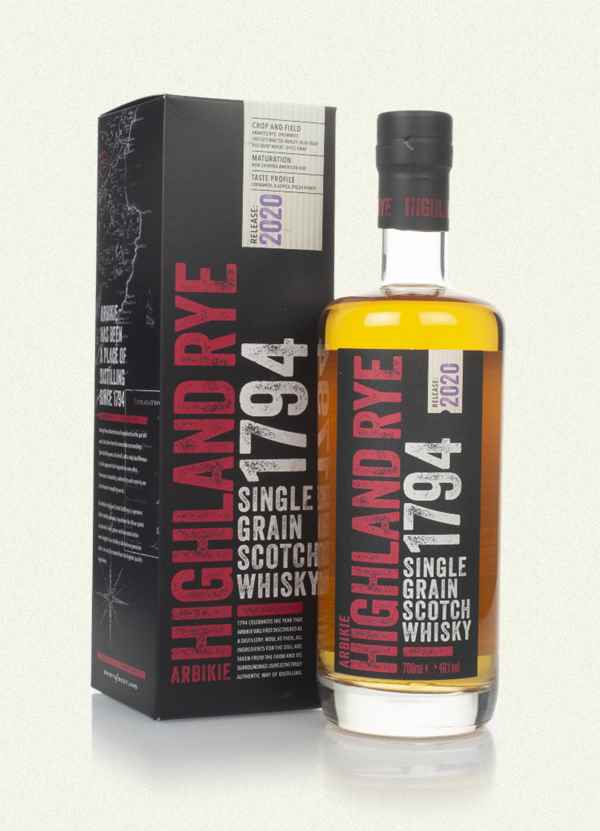
The Arbikie Highland Estate distillery is one of the most experimental distilleries in Scotland. It produces Arbikie Highland Estate Single Malt and a Single Grain Rye whisky, the only scotch rye whisky available in the world, produced at a single distillery. Arbikie is a single-site, field to bottle operation – the ingredients for all its spirits (gin, vodka, whisky) are planted, sown, grown and harvested within an arms-length of the distillery. The mountain-filtered water is taken directly from our underground lagoon. It is the first single-estate distillery to distil all the spirits in the same copper pot stills, with the vodka and gin spirit continuing their journey to the distillery’s 40 plate distillation column.
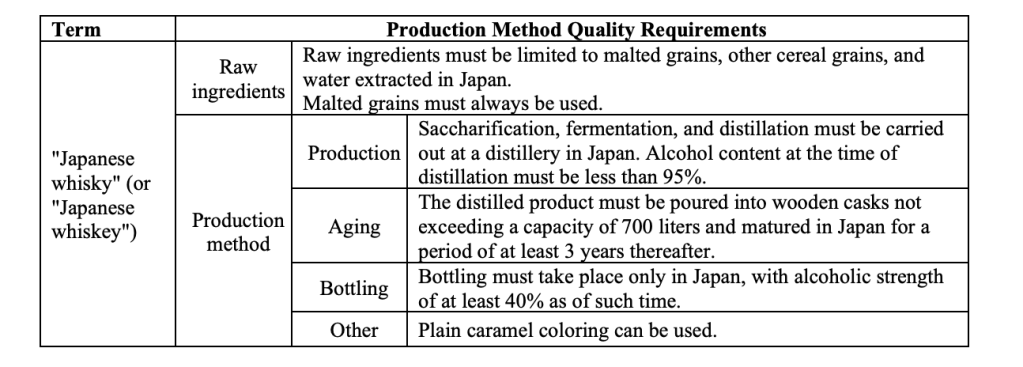
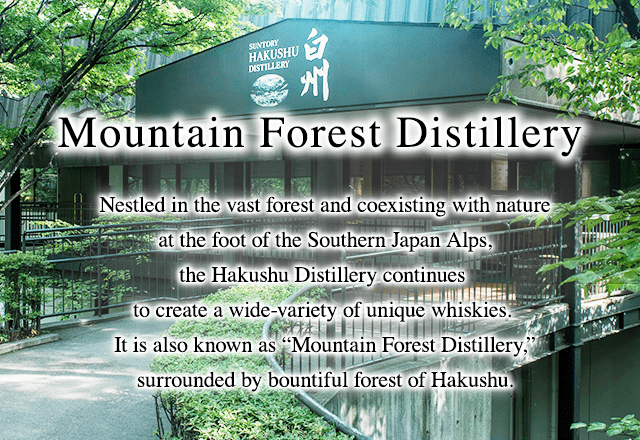
According to the new labelling standards established on February 12, 2021, by the Japan Spirits & Liqueurs Makers Association (JSLMA), a nongovernmental trade group of the country’s major producers, for the first time, Japanese whisky will have a clear definition. The Japanese whiskies not only have to source all ingredients from around the country but also have to follow strict rules of maturation and bottling. Although this directly doesn’t show a connection to emphasis on terroir in Japanese whiskies, going forward this could probably become the next big step for the Japanese whiskey industry. Suntory Spirits, owner of Hakushu, Hibiki, Toki, and Yamazaki labels that conform to the new norms set by the JSLMA could lead the way for the Japanese spirits industry.
There are many facets to this argument.
According to Robin Robinson, the US-based whiskey specialist and author of the book series The Complete Whiskey Course, the terroir argument only shows up in articles that whiskey writers are doing. “I had a conversation with Rob Arnold, author of “Terroir of Whiskey” and he agrees that it’s mostly provenance that he’s talking about, the combination of what grows in the field and what the distiller does with it. His extension of the term is focused on creating better growing conditions to produce better grains, which I’m very much in agreement on. Mike Swanson at Far North Spirits has done extensive grain variety studies on his farm and how they show in the final spirit, but that wouldn’t necessarily be terroir,” he added.
Robinson just recorded a podcast on The Spirits of Whiskey where he gives an extended explanation of his anti-terroir stance: https://spiritsofwhiskey.com/ep-41%3A-provenance (Listen to it here)
For his argument, Robinson has the backing of 2 of the best new distillers in the US: Nicole Austin from Cascade Hollow (Dickel) and Todd Leopold of Leopold Brothers.
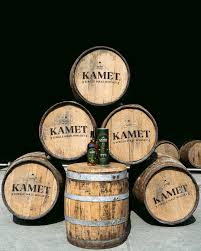
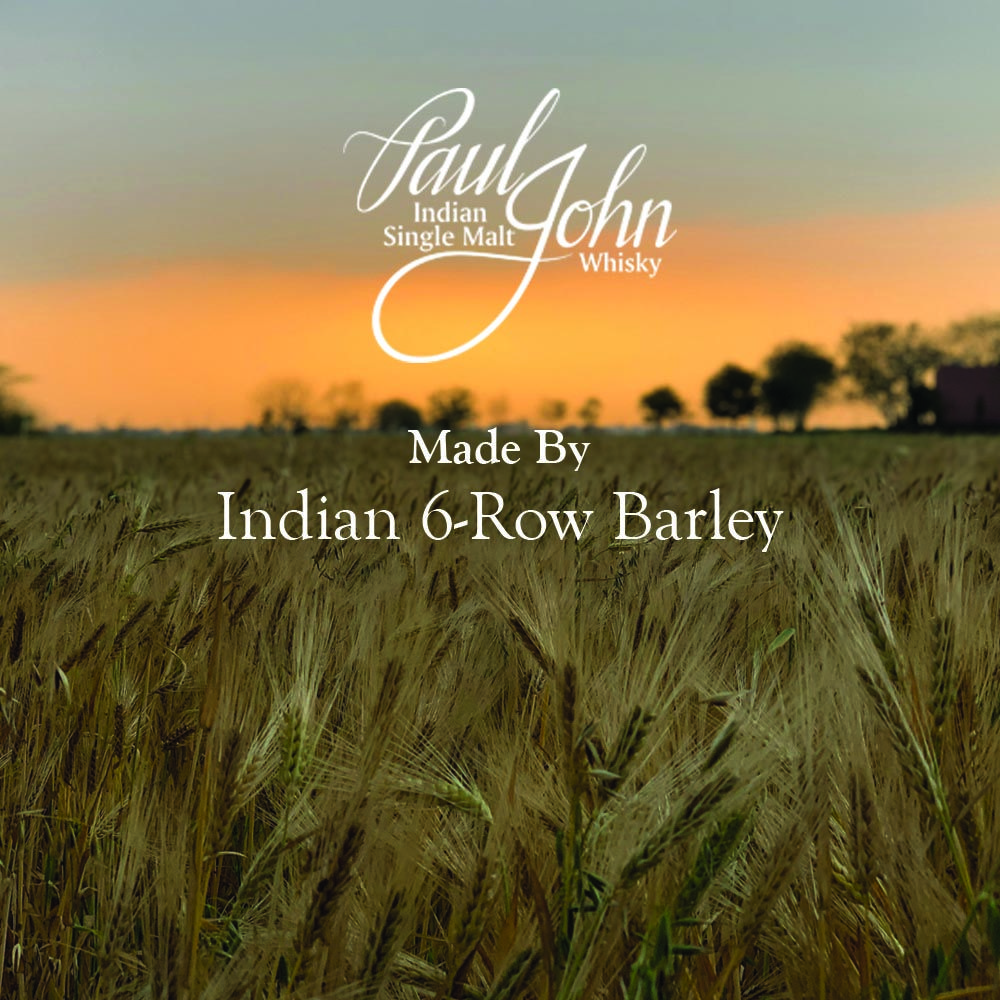
In India, a significant guideline of whisky making is still non-existent barring the few FSSAI (Food Safety & Standards Authority of India), however, we have brands such as Paul John whisky and the new entrant Kamet whisky which highlight the significance of the Indian six-row barley sourced from a particular region in the country to make these whiskies. Paul John proudly boasts that the Indian 6-row barley, grown across the vast lands of Rajasthan to the foothills of the Himalayas claims responsibility for its Single Malt’s intrinsic characteristics. With higher protein content, it lends robust & fruitier flavours to the character of our whisky. This certainly offers some sense of intrinsic value to the terroir in whisky.
While Indian whisky producers have a long road ahead of them, the global whisky industry is just beginning to put a spotlight on organic & biodynamic whiskies, provenance & traceability and single farm whiskies.
NOTE : “Some of the distillers working to prove the existence of terroir in whisky are Rob Arnold, academic and master distiller at the grain-focused Firestone & Robertson Distilling Co. in Texas; and Raasay Distillery in Scotland, which is experimenting with new malting barley varieties to grow on their island. In addition, more recently, there’s Waterford Distiller, a new single farm origin whisky producer in Ireland”- Mark Newton, head of communications for the terroir-driven brands Waterford Distillery in Ireland and Renegade Rum in Grenada.
A year into the pandemic Covid-19 and there’s still no sign of a vaccine shot that can save the hospitality industry in India. Rojita Tiwari spoke to a few key figures from the trade to assess the situation.
One of the worst affected, the bars, hotels, and restaurant industry is grappling with the impact of the pandemic. This year-long battle against coronavirus coupled with hastily made policies by the government also lack of empathy from the decision makers is only making the matter worse.
In light of the current surge in covid-19 cases across the country, particularly in the state of Maharashtra, the government this week declared a fresh set of orders calling it “Break The Chain” which has raised grave concern about the future of the industry. Many believe this will only break the morale of the people whose livelihood depends on the survival of the hospitality industry.
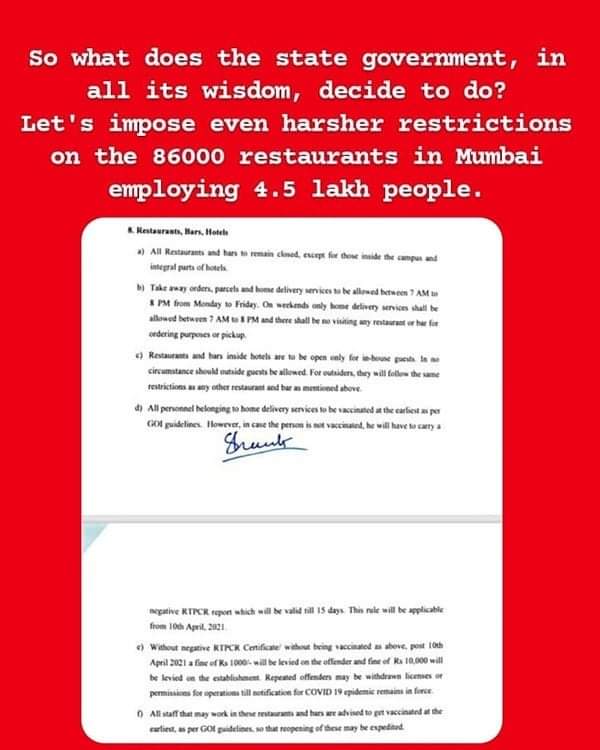
What does the current lockdown 2.0 mean?All bars, restaurants remain shut until 30 April. Deliveries and takeaways are permitted only between 7am to 8pm on weekdays. And on weekends only home delivery between 7am to 8pm.
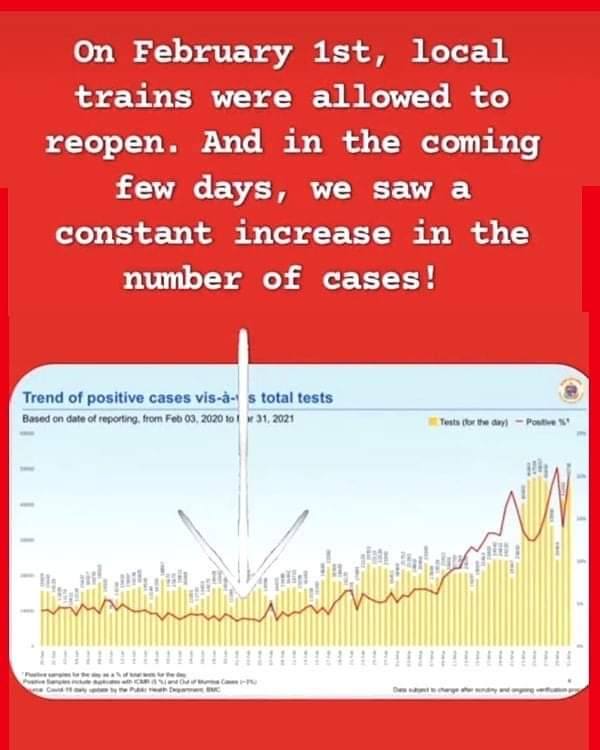
Gauri Devidayal, Restaurateur and owner of a The Table, Iktara and a few other restaurants in Mumbai says, “This lockdown may sound the death knell for our industry. It’s worse than before in terms of timings, also makes absolutely no sense considering the real spike in cases happened after the local trains resumed full service. Of course, we want to support the government in whatever way we can to break the chain, but the sentiment needs to have mutually agreement . It doesn’t feel that way at the moment.” Gauri also urged Mumbaikars to support their favourite restaurants by ordering in and doing so directly (not through aggregators as much as possible).
Social media is buzzing with reactions and comments from various segments. One of the forwarded posts called for action, to save the hospitality industry in India which has seen no public sympathy or media attention.
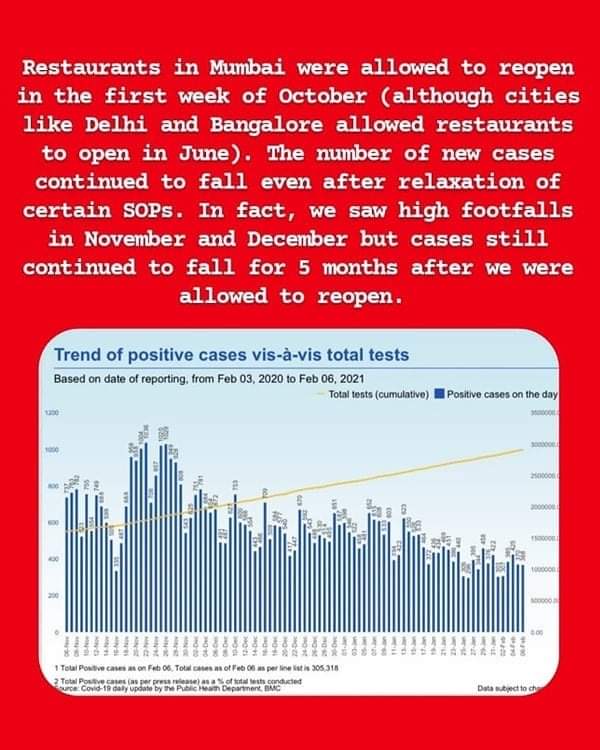
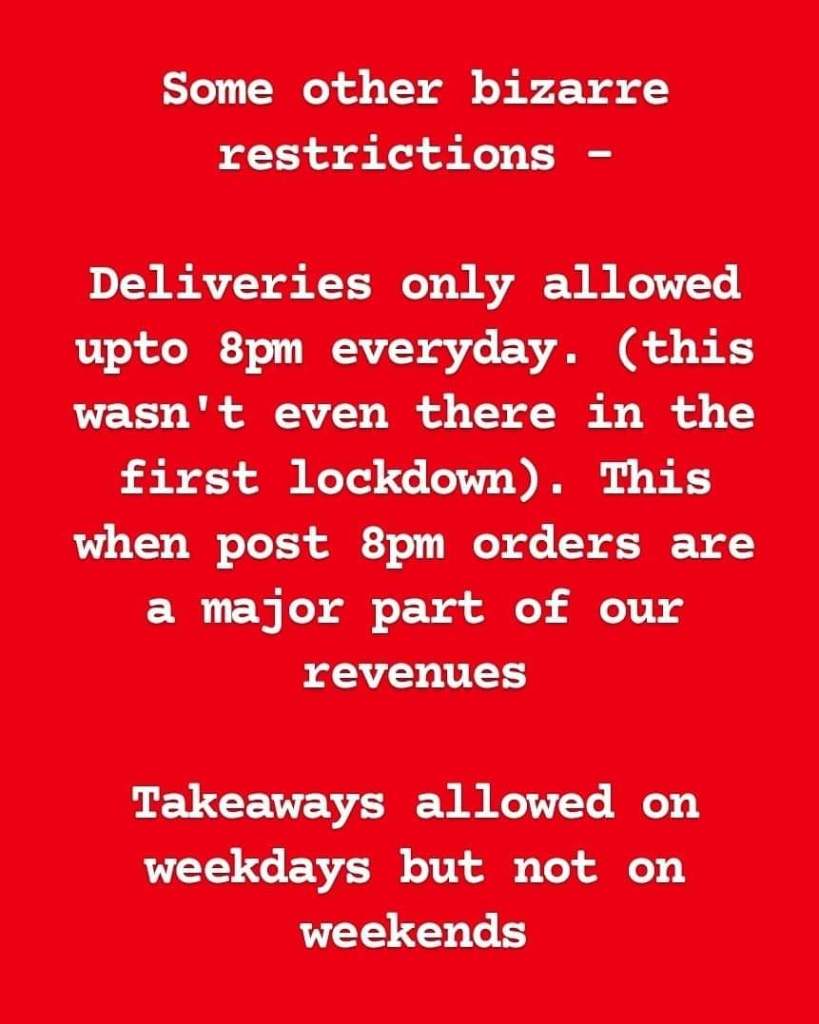
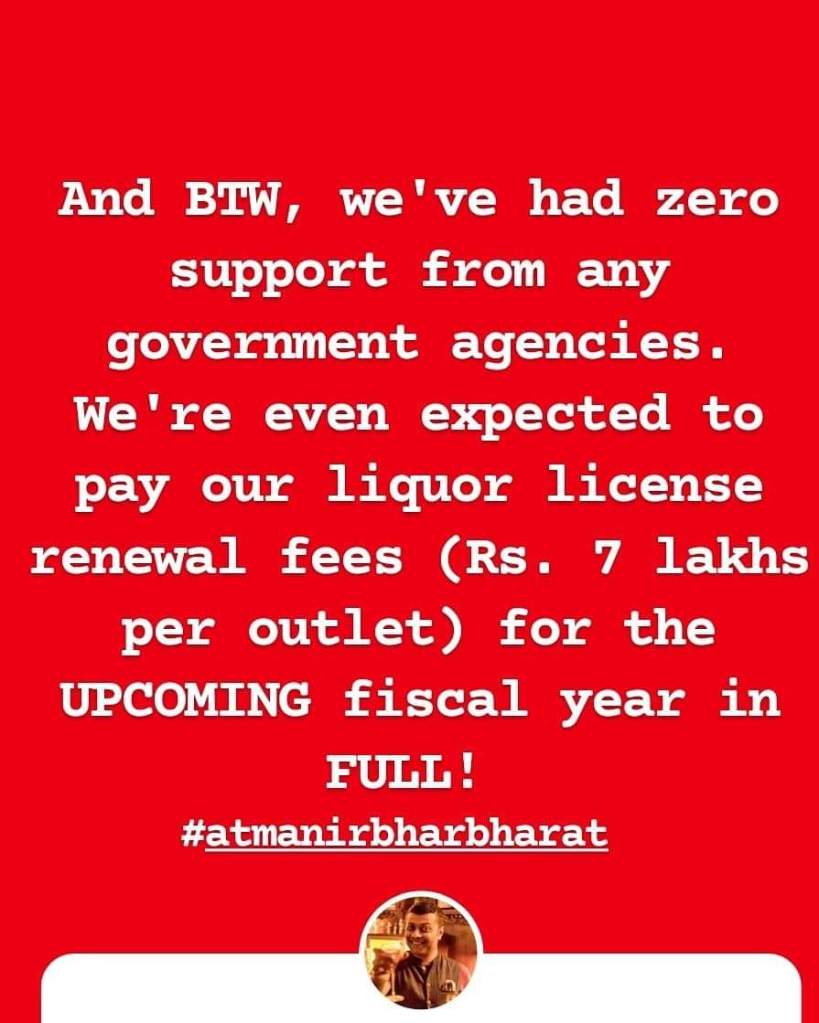
“The fresh set of restrictions have only confused us further” said, Pankil Shah, co-owner of the famous gastropubs Woodside Mumbai and The Pantry Mumbai. He sounded off his resentment over social media through a series of posts that showed how bizarre the situation is. Here’s what he said.
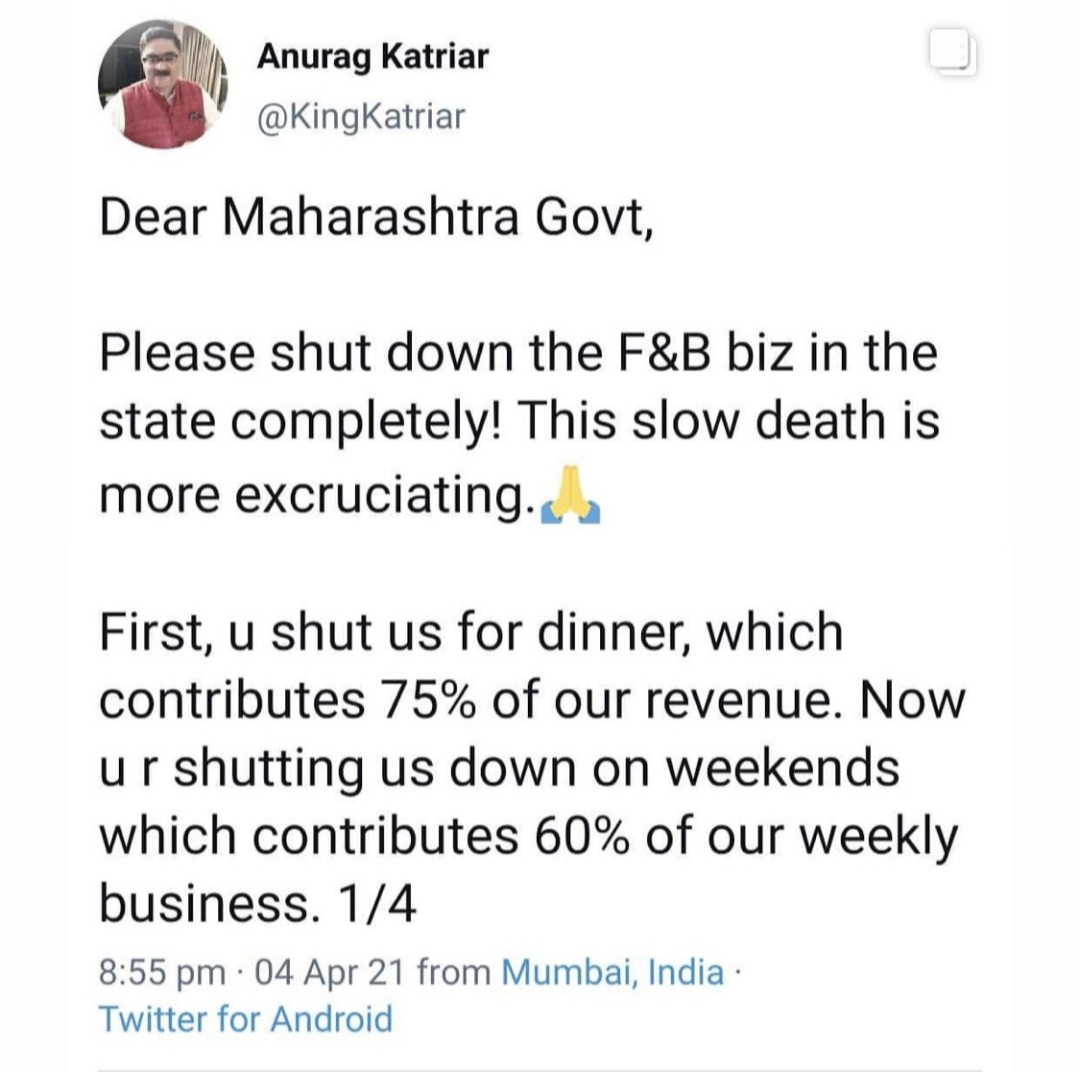
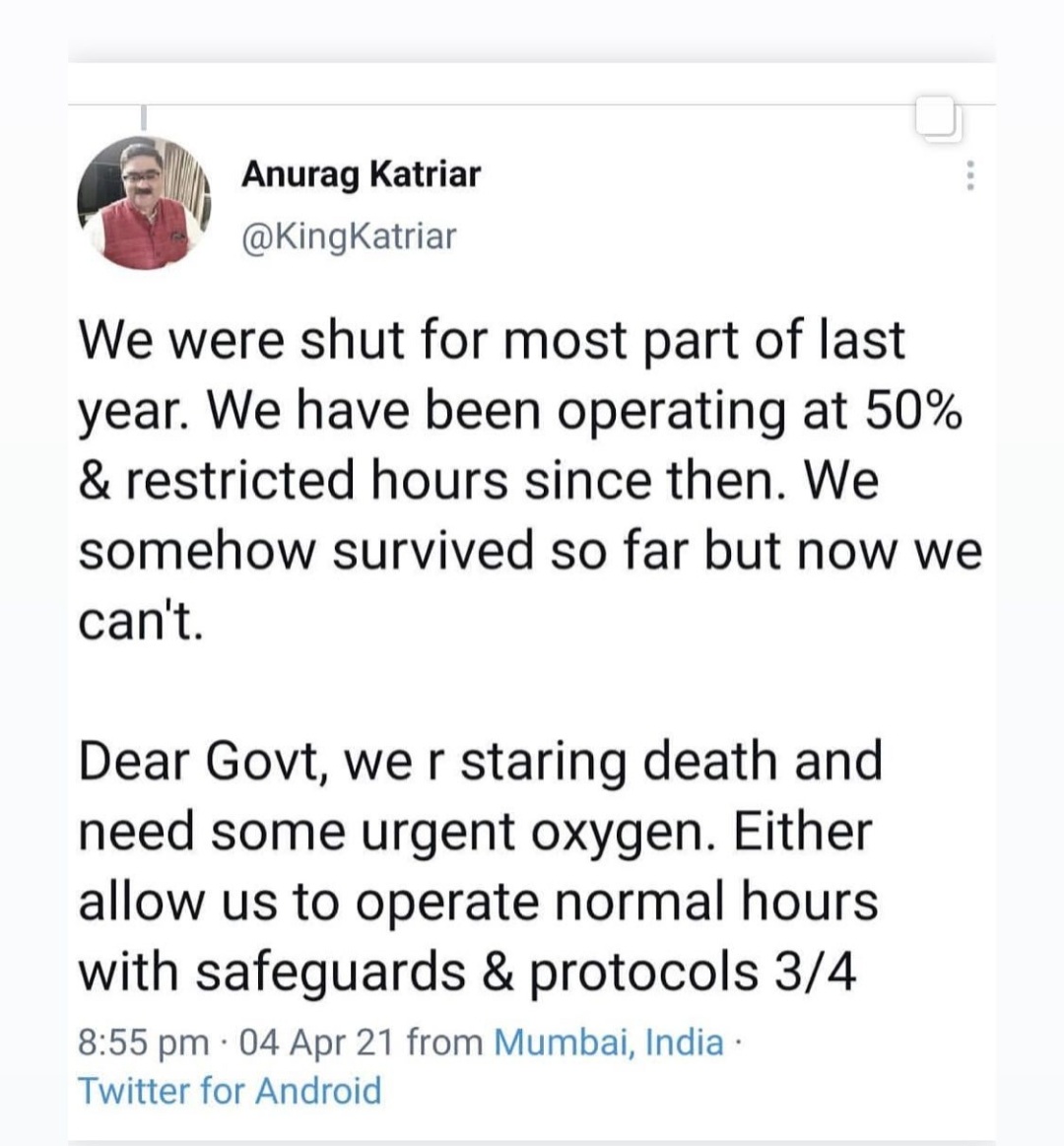
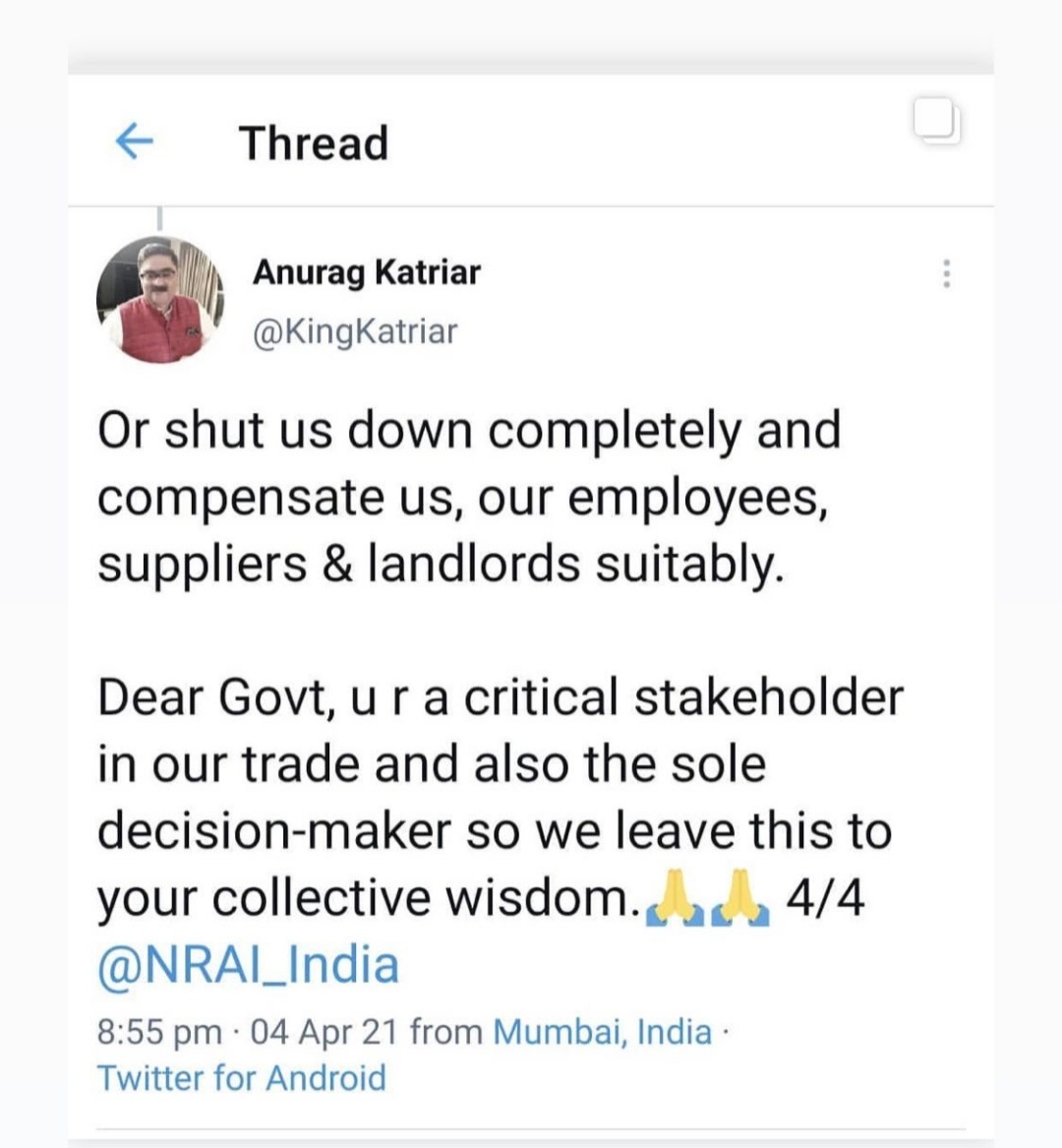
Anurag Katriar, Restaurateur, CEO deGustibus Hospitality and President of National Restaurants Association of India (NRAI) in his latest tweet / open letter to the Maharashtra Govt asked the government to shut down the F & B business in the state completely! Here’s the thread :
Last year was brutal enough for the bar industry. (Read our previous article “Industry That Drinks Together, Stays Together” Keeping the spirits high during Covid-19)
Vishal Tawde, a bartender by profession lost his job during the lockdown last year as the outlet that he was working at closed down. He shared, “It was a tough period to live through because of the financial instability. I took it positively by spending quality time with family since this wasn’t possible earlier due to my hectic work schedule. But I also felt a loss of self-confidence, and absence of connectivity with people was making it even more difficult. Finally, I managed to get a work opportunity in an upcoming new project in Kalaghoda, Mumbai. The outlet is all set to open doors but these new restrictions have again created uncertainty.”
One of the associations for bartenders is IFBA (Indian Flair Bartenders Association) which is working overtime to take care of the ones in need. Abhijeet Roy, board member of IFBA and Founder of the beverage school MADHUSHALA said, “The entire hospitality industry is in great distress after issuance of the new guidelines in Maharashtra. After surviving through the year-long trauma as we tried to find some sense of normalcy this blow came in. Many businesses may succumb to this atrocity. Unfortunately, the plight of the lakhs of people employed in this industry has been completely ignored by the authorities. We receive calls and messages everyday from many bartenders, hospitality staff who have lost their jobs, so many qualified professionals ready to take up whatever opportunities come in their way, in the desperate attempt to survive. Some of the families are starving, many are quitting the industry, or closing down businesses and vowing never to come back.”
(A message circulated by the Indian bartending community, a cry for help)
“We try to offer counselling to many who even speak of ending their lives. The association is doing its best to help the bartenders financially or otherwise, organising free online mentoring programmes, assisting people with finding new jobs. We are also taking help from liquor companies to get support in anyway possible,” he added. IFBA is currently developing an inbuilt zonal system to reach out to bartenders from various states, and to offer them any kind of help required.
Unfortunately IFBA doesn’t have enough funds to cater to the needs of the industry, hence, Abhijeet is requesting big brands or organisations with funds to support the Indian bartending community, to offer help in any possible way that will keep the industry afloat.
The industry is in dire need of help more than ever before as many other states and cities including Chattishgarh and Delhi declare partial or full lockdown.
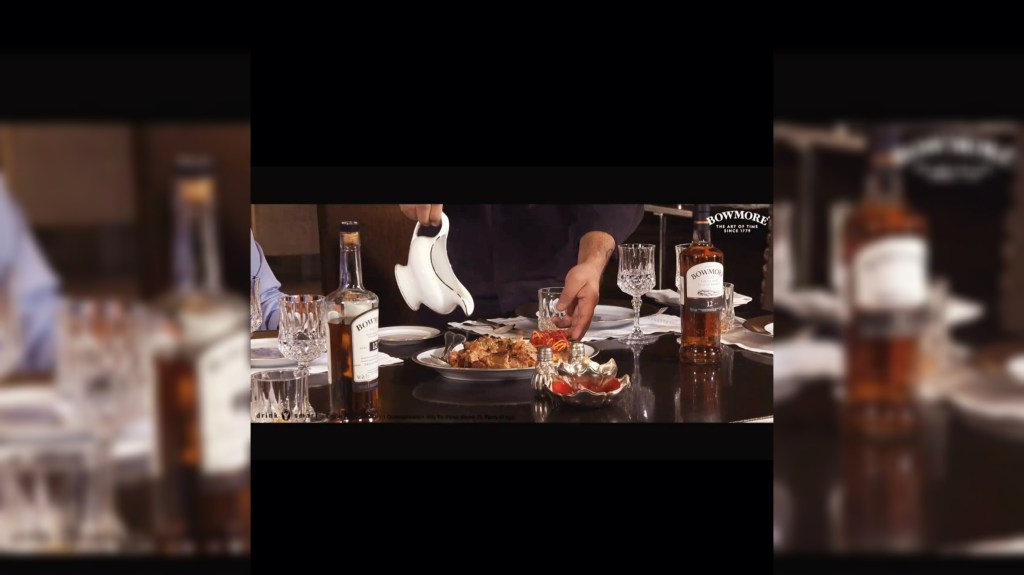
Pairing whisky with food isn’t highly uncommon. In fact single malt whiskies can be paired beautifully with all kinds of cuisines. This video proves that. A fine single malt such as Bowmore paired with the exquisite food prepared at The Leela Palace New Delhi.
Bowmore 12 : The Art Of Pairing
Spirits & Ritual”s – Crafted “Spirit”ed Stories, presents Bowmore 12 YO Single Malt Whisky “The Art of Pairing”. Watch the full video to understand the pairing of a complex and balanced whisky such as this with Chinese, Indian, and Italian cuisine.
Have you ever paired whisky with food? How was the experience? Which cuisine do you prefer to pair your whisky with? Do tell us in your comments below 😊
(We do not advocate Alcohol consumption but Advocate Responsible Drinking.)
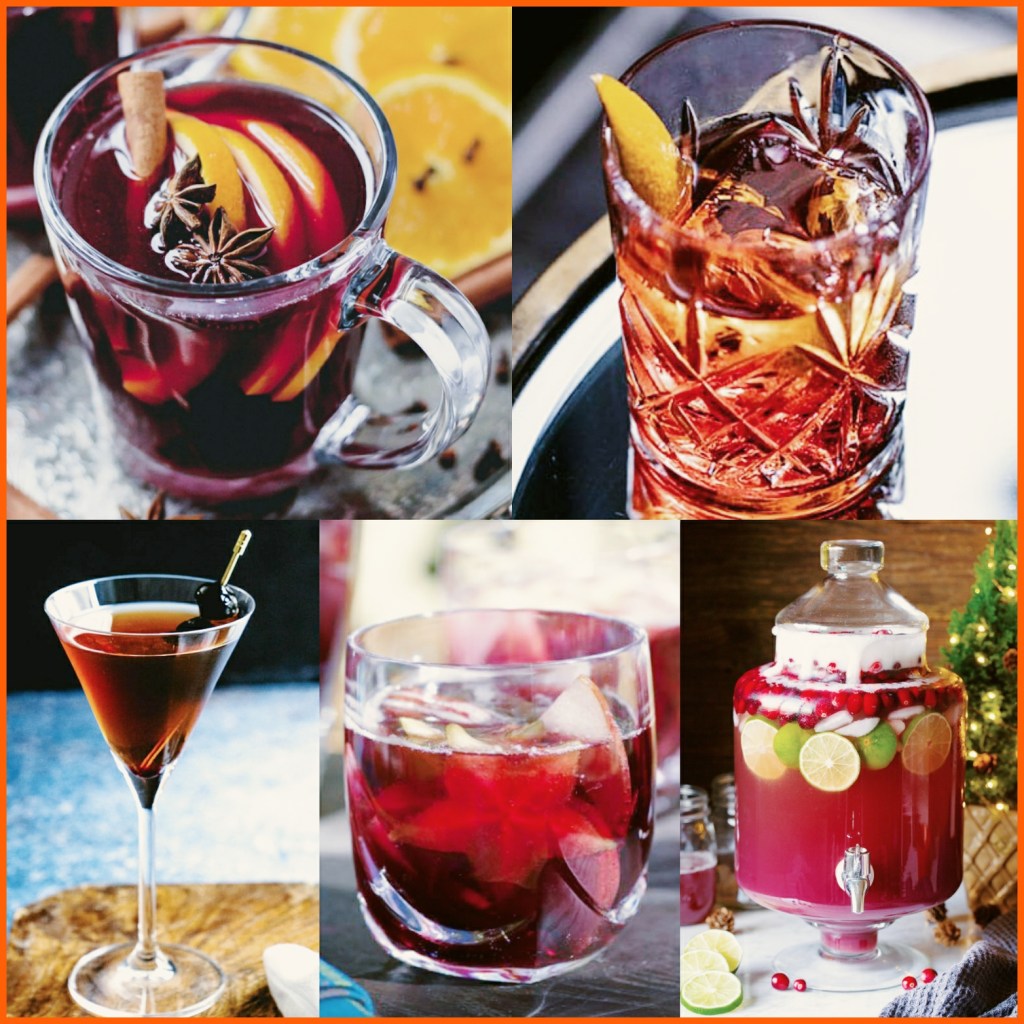
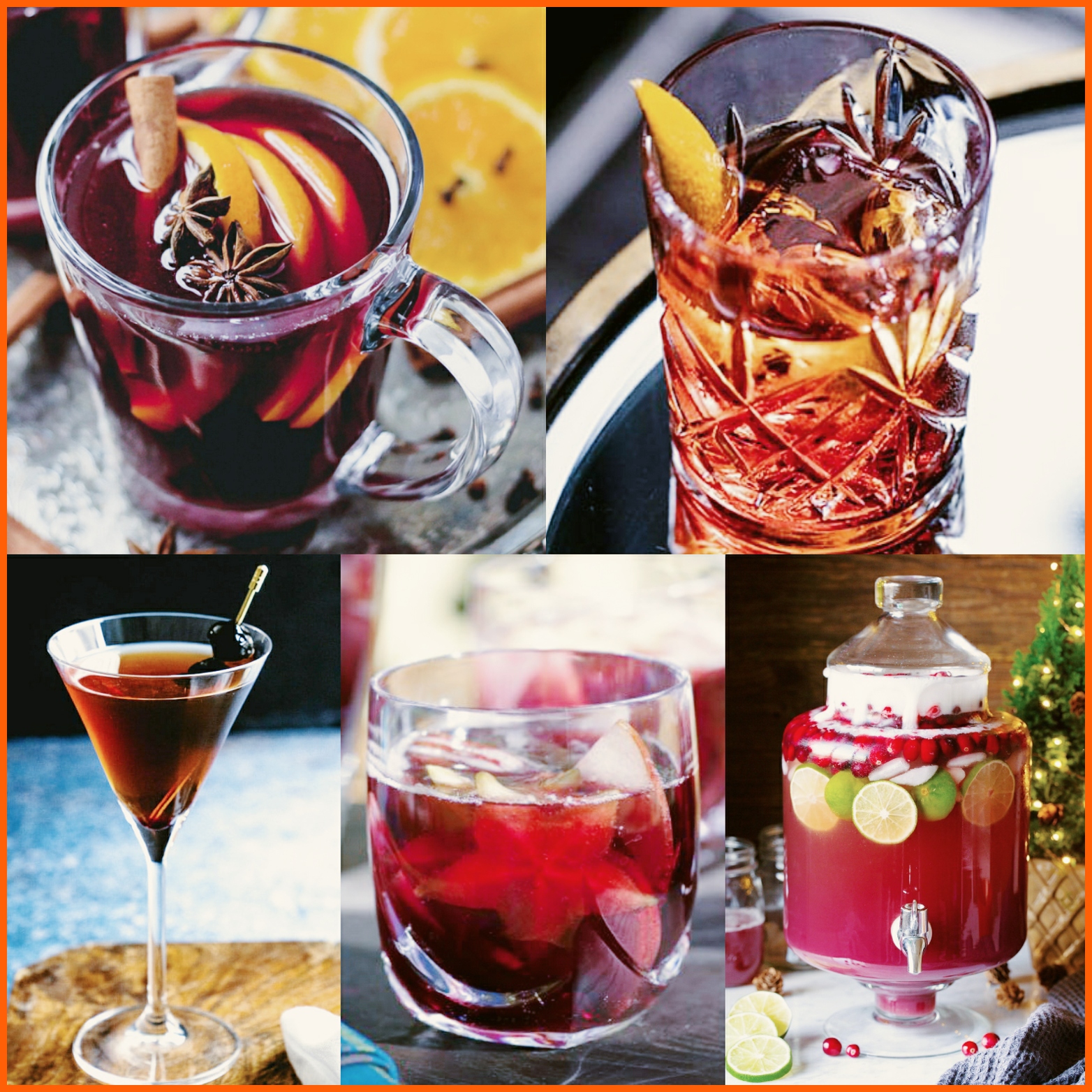
’Tis the season to be merry with drinks that don’t just add colour to your brunch, lunch, or dinner table but also bring some exciting flavours to the party.
Holiday Sangria
You can never go wrong with Sangria. The Christmas special Sangria could have red wine, cranberries, apples, spices, the list is endless. Choose a good red wine preferably Cabernet Sauvignon. Remember that your sangria is as good as the wine in it. You will also need brandy, some citrus fruits, cinnamon sticks, sparkling water, or ginger ale. If you want a lighter sangria, you can also choose a pinot noir, sauvignon blanc, or even a rosé wine. Pour some brandy to the mixing jar. Add freshly chopped fruits such as oranges, lime, pomegranate, throw in some cinnamon sticks and top it with ginger ale or sparkling water. Make the drink a day before, refrigerate it and add some fresh fruits to the glass before serving.
Ingredients
1 bottle of dry red wine
¼ cup brandy
¾ cup of of ginger ale/sparkling water
1 lime sliced, 1 pear, ½ cup pomegranate seeds, 1 apple
Cinnamon sticks to garnish.
Recommendation: Chilean Cono Sur Cabernet Sauvignon wine. Reserve No 1 Brandy. Lucaris Crystal wine glasses.
Negroni
One of the most popular cocktails Negroni is made with equal parts of Gin, Vermouth, and Campari. However, for the holiday season you can infuse the Campari overnight with cinnamon, cloves, and star anise.
Ingredients
45 ml gin
45 ml campari
45 ml vermouth
1 large cube of Ice
Orange zest for garnish
Cinnamon stick for garnish
Recommendation : Bombay Sapphire gin + Martini Vermouth + Campari. Lucaris Rims Collection – The Pillars Lowball glass
Manhattan
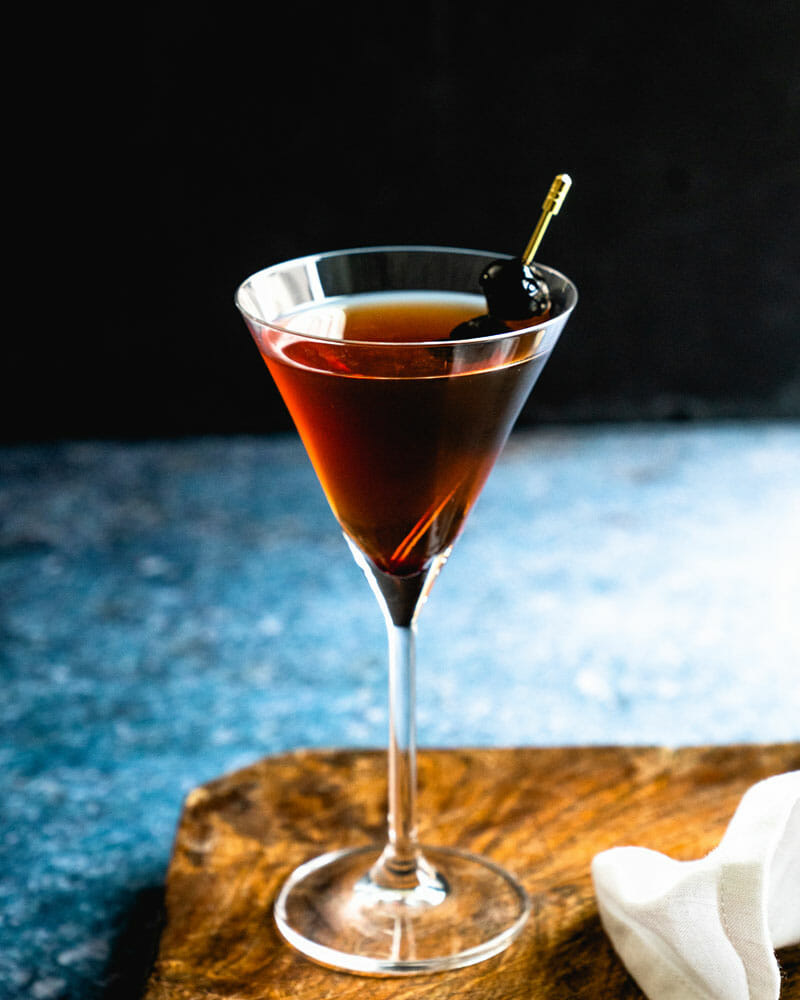
The cocktail made with whiskey, sweet vermouth, and bitters Manhattan is perfect for those long Christmas evening celebrations. Although bourbon, rye, Canadian, and Tennessee whiskies are preferred choices for this cocktail, you can try other blended whiskies too.
Ingredients
60 ml whiskey
20 ml vermouth rosso
2 dashes of angostura bitters
Stir all the ingredients with ice in a missing jar. Pour into a martini glass.
Cherry garnish.
Recommendation: Jack Daniel’s Whiskey + Martini rosso + Angostura bitter. Lucaris RIMS Collection- The Classic Martini glass.
Mulled Wine
Nothing speaks Christmas like a nice glass of mulled wine. There are many recipes for mulled wine, warm or cold, that you can follow to prepare mulled wine. Here’s an easy one.
Ingredients
The traditional warm mulled wine requires a liquid made with sugar, spices boiled with water.
Some lemon, oranges
¼ cup triple sec
Bottle of light red wine (Pinot noir, Beaujolais or Merlot)
Orange zest as garnish
Add the warm spiced water with other ingredients. Stir and serve in wine glasses and garnish with orange zest.
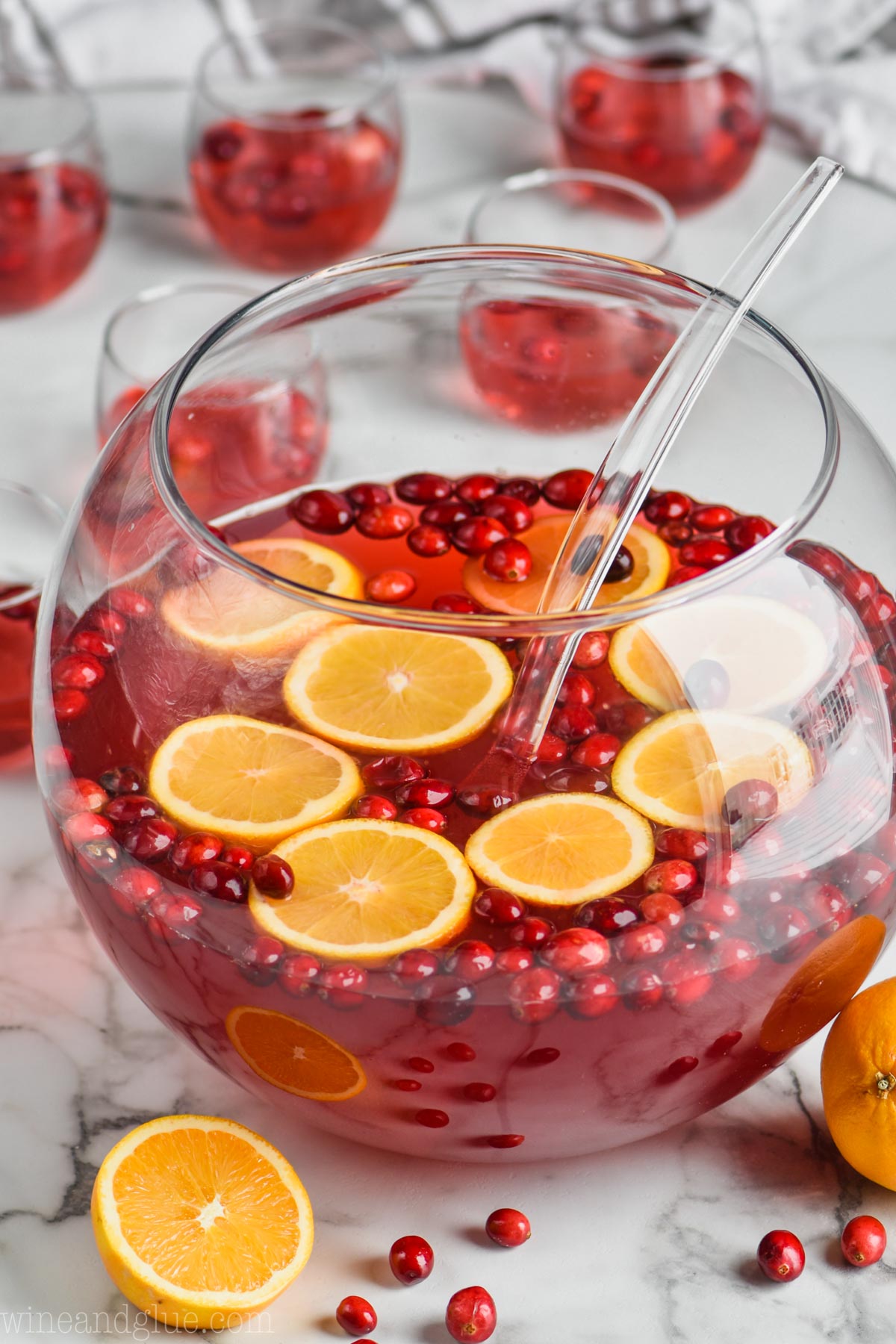
This is the easiest drink to make during the busy holiday season. All you need isCranberry juice, some rum or brandy, sparkling wine, and orange slices.
Ingredients
100% pure cranberry juice
Brut or extra dry sparkling wine
Some apple cider and ginger ale,
¼ or ½ cup cup Dark rum or brandy
Fresh cranberries, slices of oranges and lots of ice
Take a large punch bowl, fill it with ice, add all the ingredients and stir well. Add the cranberries and oranges, and serve in tumbler glasses.
Introducing one of Islay’s best, the crafted story of Bowmore 12 YO Single Malt Scotch Whisky.
Bowmore 12 : The Art Of Time Spirited Story by S & R (Spirits & Rituals)
Time transcends a spirit into a piece of art. Bowmore the art of time since 1779. Bowmore 12 is an epitome of tradition, heritage, and luxury. Time leading to perfection. When it comes to whisky heritage, the Bowmore Distillery is unrivaled.
(Guest column by Aishwarya Nair Matthew, Head Corporate Food & Wine Merchandising for The Leela Palaces, Hotels & Resorts)
Notably different from its parent, Champagne, in style – sparkling wines are the new world, less expensive and alternative options to the effervescent drink. Although, if your budget permits I would recommend you to indulge a bit and spend on a good quality Champagne.
Sparkling wine, with its indigenous names such as Prosseco from Italy, Cava from Spain & Espumante from Portugal, and Sekt from Germany, is a perfect option to pair with food and also brightens ones evening. With a recent surge of young, refreshing, approachable and reasonably priced wines in the Indian market, it is no wonder that people opt for sparkling wines as their wine of choice.
“Too much of anything is bad, but too much Champagne is just right.” is said to have been famously documented by American novelist F. Scott Fitzgerald. Champagne the queen of wines is synonymous to celebration and romance, therefore fitting the season of festivities. The number one rule of Champagne is that only wine made from the region can be referred to as Champagne. This means that it is against the law for any sparkling wine to use the title of Champagne.
The importance of Champagne being grown in a particular region in France, is largely due to the terrior which is a unique blend of natural factors that are associated with the climate at the vineyard. In the case of Champagne, this accounts for the cold climate of the northern region of France accented by its lime rich chalk soil. These two influences help in building the acidity in the wine that results in its crisp freshness on the palate.
A little know fact of Champagne is that it is made out of 3 grape varietals & two of which are red, Pinot Noir & Pinot Meunier & last one, the white varietal is the classic Chardonnay. The most enticing part of Champagne or sparkling wine is its natural ability to pair with various foods, including spice. This versatility on the palate makes it the preferred aperitif for most, as well as an appropriate choice to celebrate any joyous occasion.
Wines to seek this festive season :
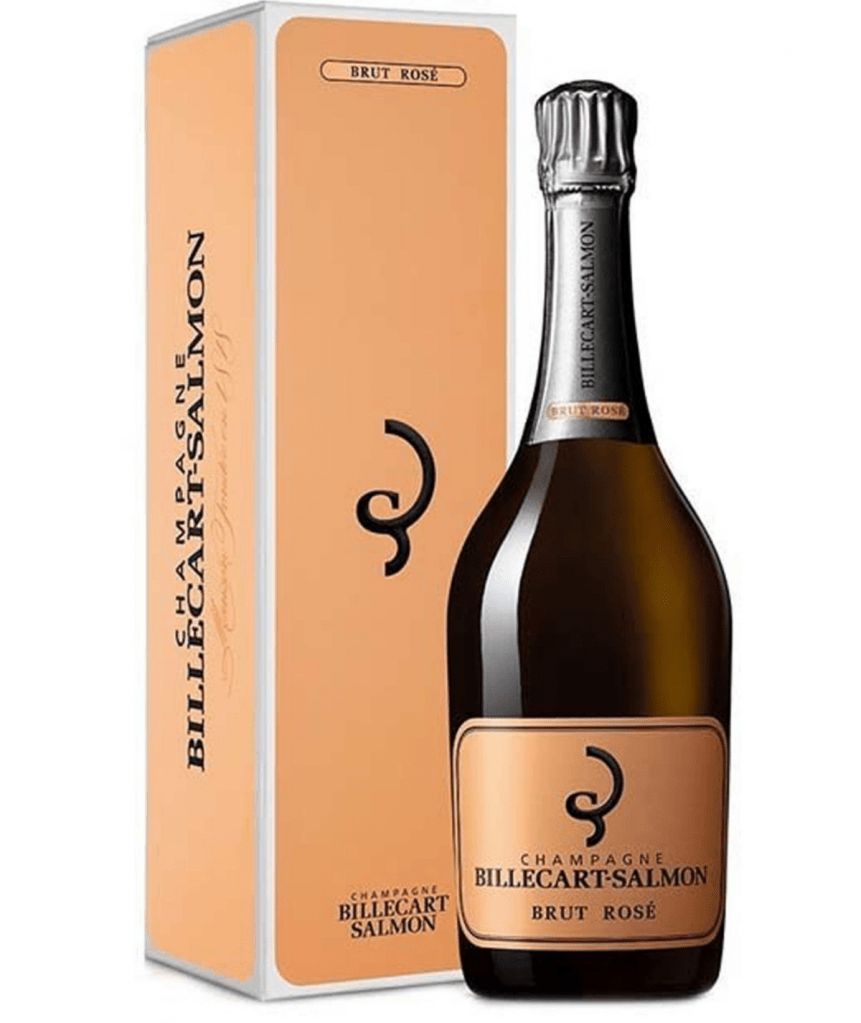
– Billecart Salmon Brut Rose Champagne (MRP ₹ 16,957 in Mumbai)
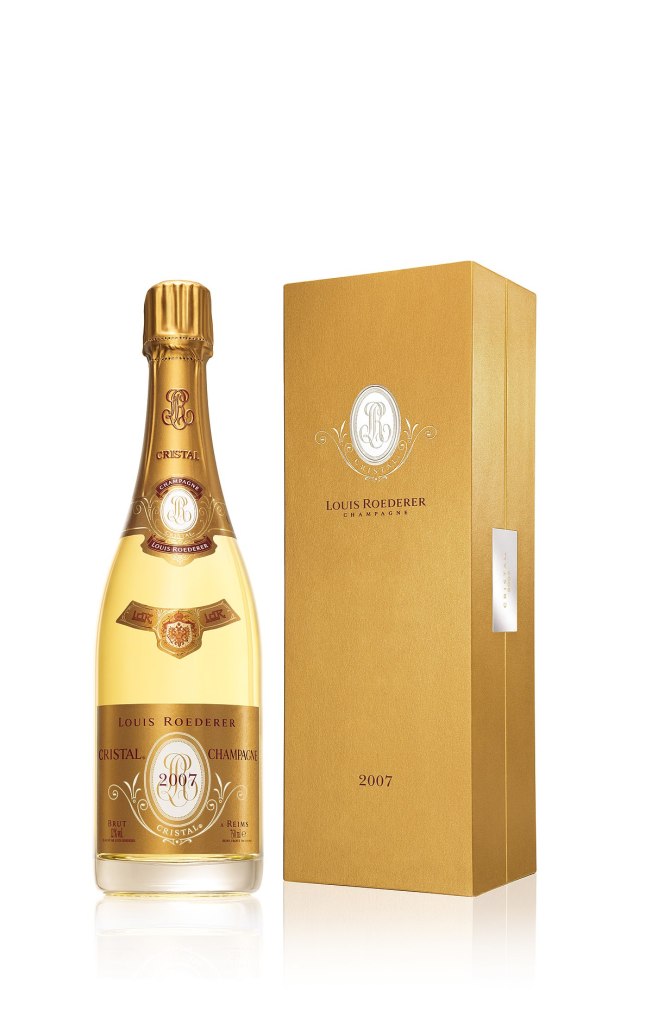
– Louis Roderer Cristal Champagne (MRP ₹ 31,000)
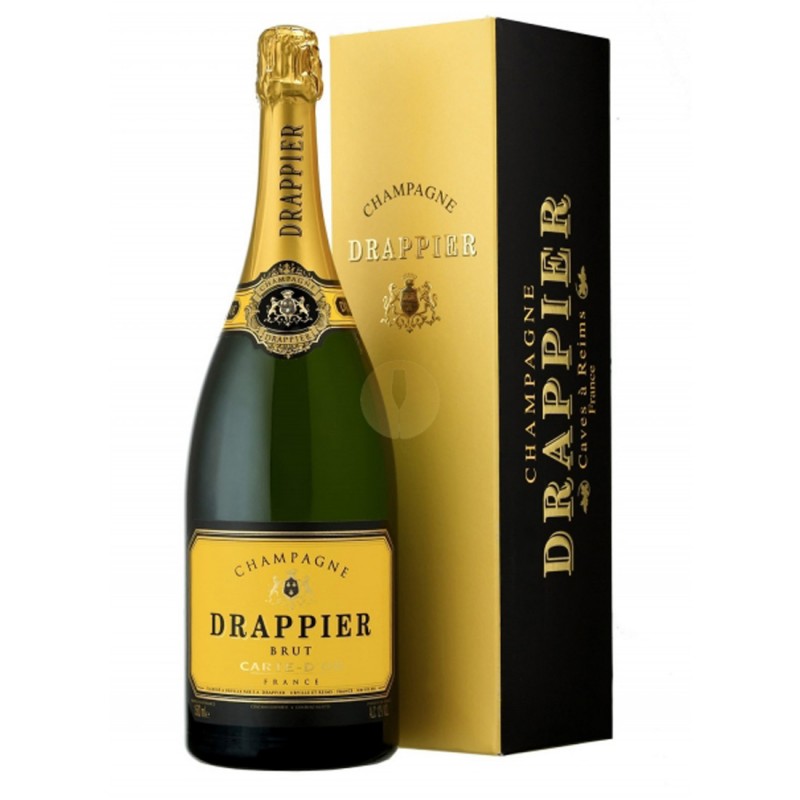
– Drappier Carte d’or, Brut Champagne (Approx. MRP ₹ 6000)
– Gramona La Cuvee Gran Reserve Cava. (MRP ₹ 4,471)
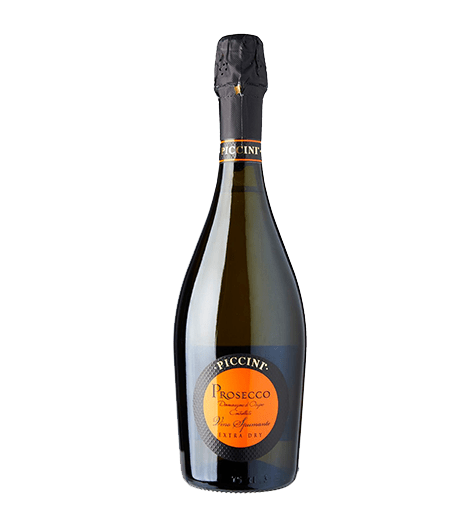
– Piccini Prosecco Extra dry (Approx. MRP ₹ 3,000)
In the age of social media, it’s easy to be misled by the fancy jargons thrown around frivolously. However, falling prey to this pandemic are drinks professionals who have a credible career with qualification and experience built over the years with hard work and dedication whose influence extends beyond the purview of number of followers, subscribers, likes and comments on social media.
It’s kind of a paradox that forces you to take a pause and ponder. If everyone is teaching, then who’s learning? If everyone is selling, then who is buying? If everyone is influencing, then who is getting influenced?
This article is an attempt to offer some clarity on these attractive career options in the drinks industry, which require credibility, and authenticity. If not to help maintain equilibrium in the industry ecosystem, then at least to stop people from using these jargons that misleads brands, marketing agencies and consumers.
Let’s take a look at some of the most misused and misunderstood career terms in the drinks business highlighted by some of the industry experts.
Sommelier – By definition, it is a wine professional with formal training in all aspects of wine service, wine and food pairings, and wine storage. While anyone working directly with wine in a restaurant can be called a sommelier, a certified sommelier would require formal educational qualification from institutes such as Court Of Master Sommeliers or if not into wine services, then at least having a WSET Level 3 from (Wine and Spirits Education Trust) qualifies one to be considered at the same level as a sommelier.
India’s first and only Master Of Wine, Sonal Holland comments, “It’s important to differentiate between a qualification and a job role. A qualified sommelier, certified educator, MS, MW are qualification titles, but what one does as a profession like being a writer, entrepreneur, consultant etc. is job roles. There should be some understanding of these at least among the trade. I am often referred to as India’s top sommelier and I have to correct them accordingly.
Professionals do tend to use terms that are convenient to them and nobody seems to call out. I’m just glad the MW is copyrighted and cannot be used fleetingly.”
Wine & Spirits Writer – Any one can be a writer, however, a professional drinks writer is someone who is engaged in either a freelancing or full-time writing job. Which also means the person either earns a living from this position or at least gets paid to write. However, an article contributed to a publication or website as a part of the image building campaign designed by your PR agency and pitched on your behalf to a publication or an online platform doesn’t count.
Mixologist / Bartender – By definition a bartender is a person who serves drinks at a bar. And, a mixologist is a person who is skilled at making cocktails and other drinks. But if you have never worked a day behind a bar or mixed a drink in a professional capacity then adding the title to your profile is just misleading. Yangdup Lama, one of the most reputed and award-winning Mixologists and a Bar Owner agrees that the term has been misused. “Ideally, it is a designation given to people who spend much of their time behind the stick.”
Elaborating on the matter of rampant misuse of these terms across social media platforms, Kishore Thapar, Partner of the bartending institute Cocktails & Dreams, Mumbai says, “Bartending is a craft which can be enhanced with accurate knowledge and training. Some are able to reflect their work on social media while many talented bartenders lack social media skills. However, it’s important to give credit to the ones who have earned this.”
According to Shatbhi Basu, a prominent figure in the Indian bartending community, “This pandemic, amongst other things, has created an army of homegrown professionals. It’s not a bad thing on its own, But when it impinges upon the professional realm and professes to be a part of it that’s when it gets annoying. We see bartenders and mixologists who have never spent a day in a bar, chefs who’ve never seen the inside of a commercial kitchen. Neither have they spent years studying intensely and faced the ire or joy of a paying customer. Let them enjoy being enthusiasts and respect the professionals. There’s room for both!”
Drinks Educator & Trainer– An educator is someone who has a formal certification to teach students or the members in the hospitality trade or someone who has the required qualification and experience to teach in a classroom or on premises. While an educator can educate you about a particular subject, a trainer is someone offering brand training or specific product knowledge. They may or may not be associated with or hired by a particular brand or company. These are professionals with qualification or experience or both and earn a living by teaching or conducting training.
Drinks Industry Influencer – This is probably one of the most misused terms in any industry currently. How do brands or their agencies decide who is a real influencer? Elisha Saigal Founder & CEO, El Sol Strategic Consultants has the answer. “As a Brand & Business Consultant, we are very clear with our clients from the start on being true to who they are. With regards to selecting an influencer or content creator, we first ensure they are true to what they project in their personal life through their platforms, does that match our brand ethos. If it does, we then gauge their engagement and their ability to drive ROI for a brand via data analytics. Another important factor while making this selection is, how close are their followers to our clients’ customer personas. A list is carefully and scientifically curated post this. And we are happy to work with a Nano or Micro influencer as long as they are certified in the subject and are true to what our brand stands for. The digital arena is flooded with influencers, but as a voice for our brands, it is our responsibility to ensure the person projecting our brand is the right voice.”
Consultant– There are two aspects of this job role- a consultant and a beverage consultant. Someone who’s actively involved in brand promotions, strategy building or providing any other services to a product or bar or any other areas of the trade could be considered as a consultant. However, a beverage consultant is someone who is hired to take care of all the subtle nuances required to run a bar efficiently in the most cost-effective way. Adding the word to one’s profile without real experience or qualifications described earlier just misleads brands and consumers.
Competitions Judge / Juror– A person who is actively participating in the judging process on any of the well renowned and established wine, beer or spirits competitions held around the world on a regular basis. Subhash Arora, Founder of the Indian Wine Academy and a reputed judge at several international wine competitions says, “I meet many of the fellow jury members at competitions and a lot of them are into the craft. Occasionally, there are rookies who eventually get absorbed into the system.
But I firmly believe that experience and qualification (a formal education or certification from any institute specializing on the subject) are definitely the most important prerequisites to be selected as a judge.”
Disclaimer: This article isn’t aimed towards discouraging anyone from choosing a career in the drinks industry. But a wake up call for brands, marketing and PR agencies, and aspiring individuals who are latching on to these jargons without verifying the authenticity of the claims made by some individuals.
Japan’s national beverage sake is a drink made from fermented rice. Even though we love almost everything about Japan, when it comes to sake, its reputation precedes the understanding of the beverage outside the country.
Despite spending almost 15 years in the drinks industry, my official introduction to sake happened only recently in 2018.
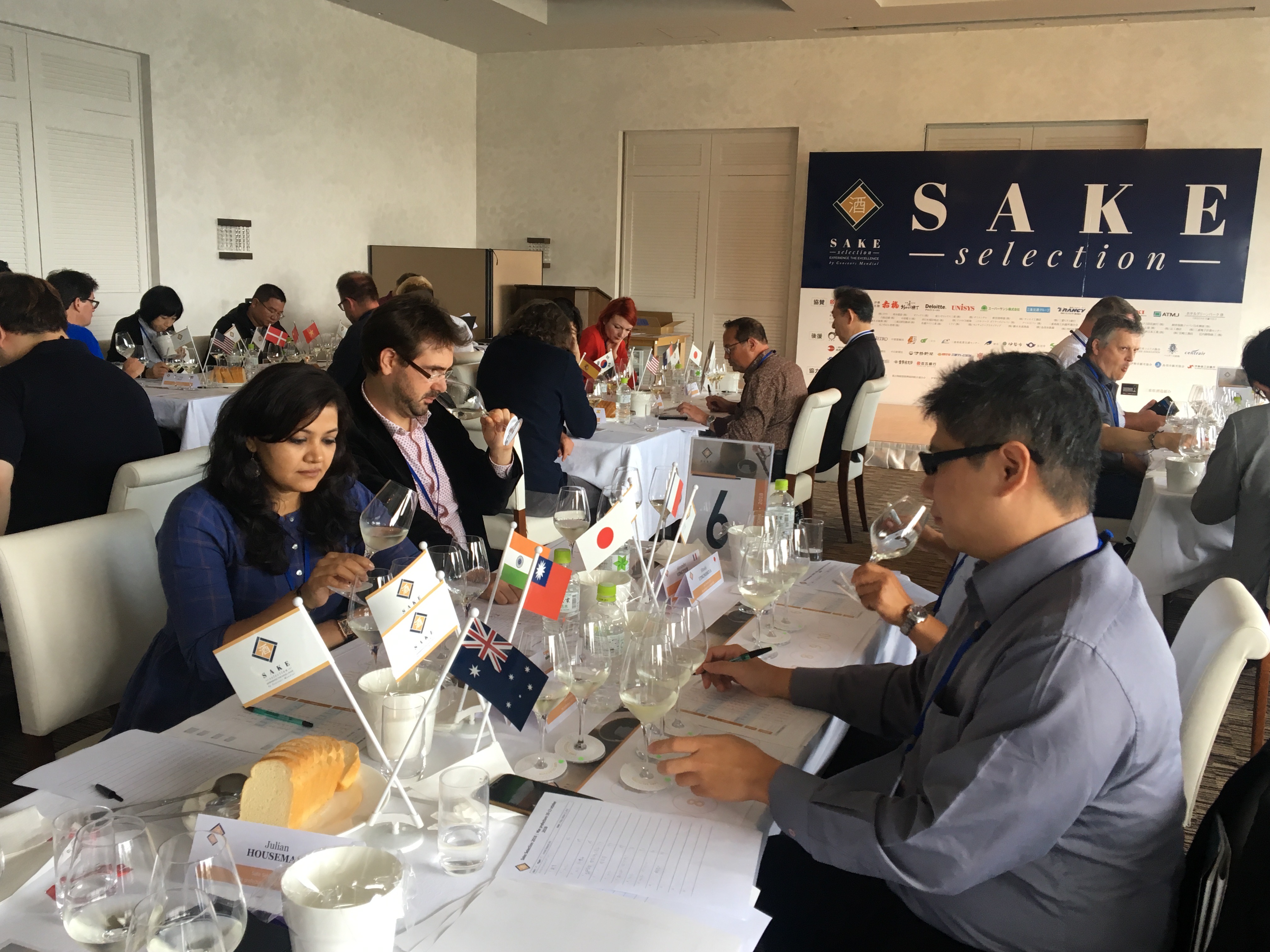
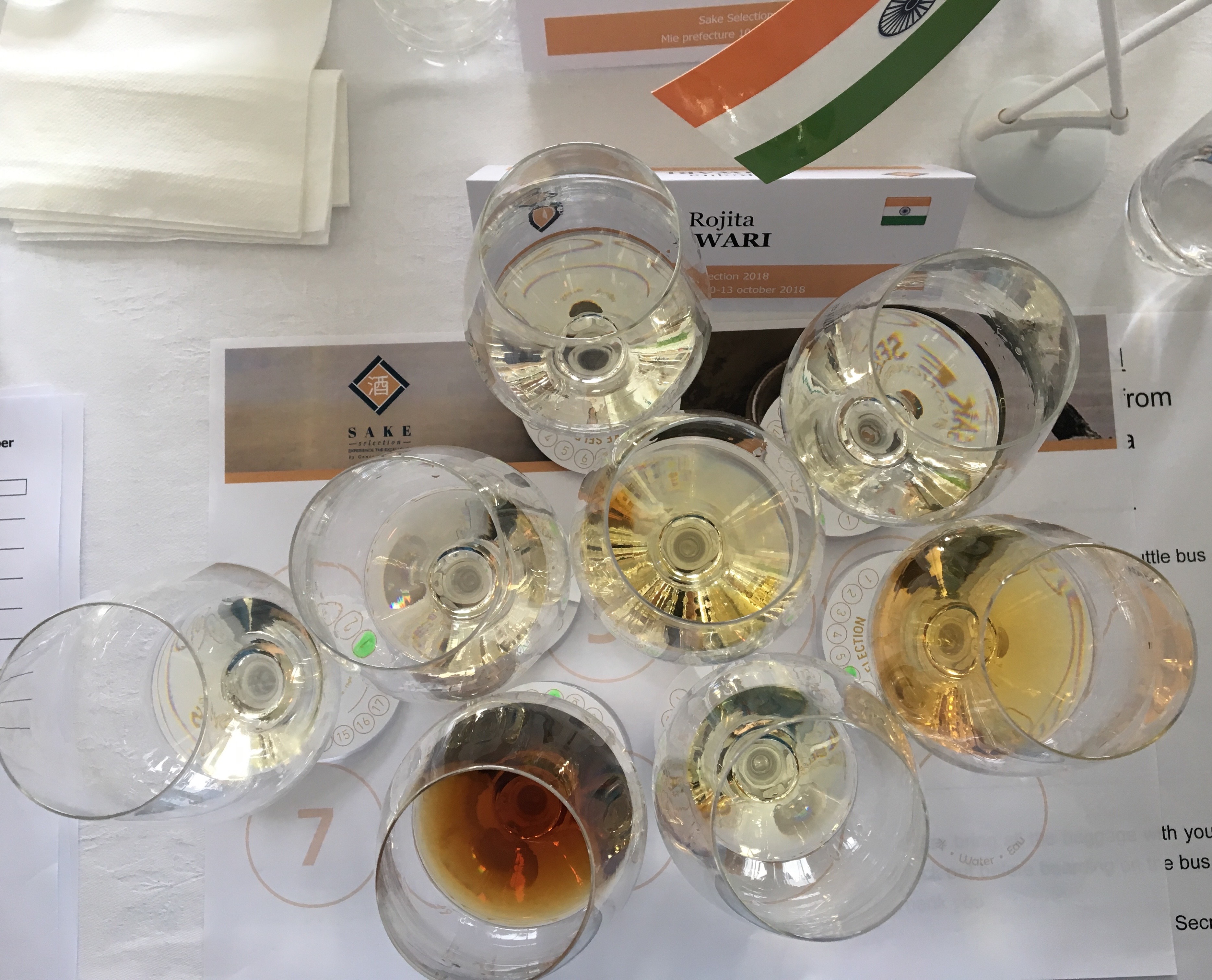
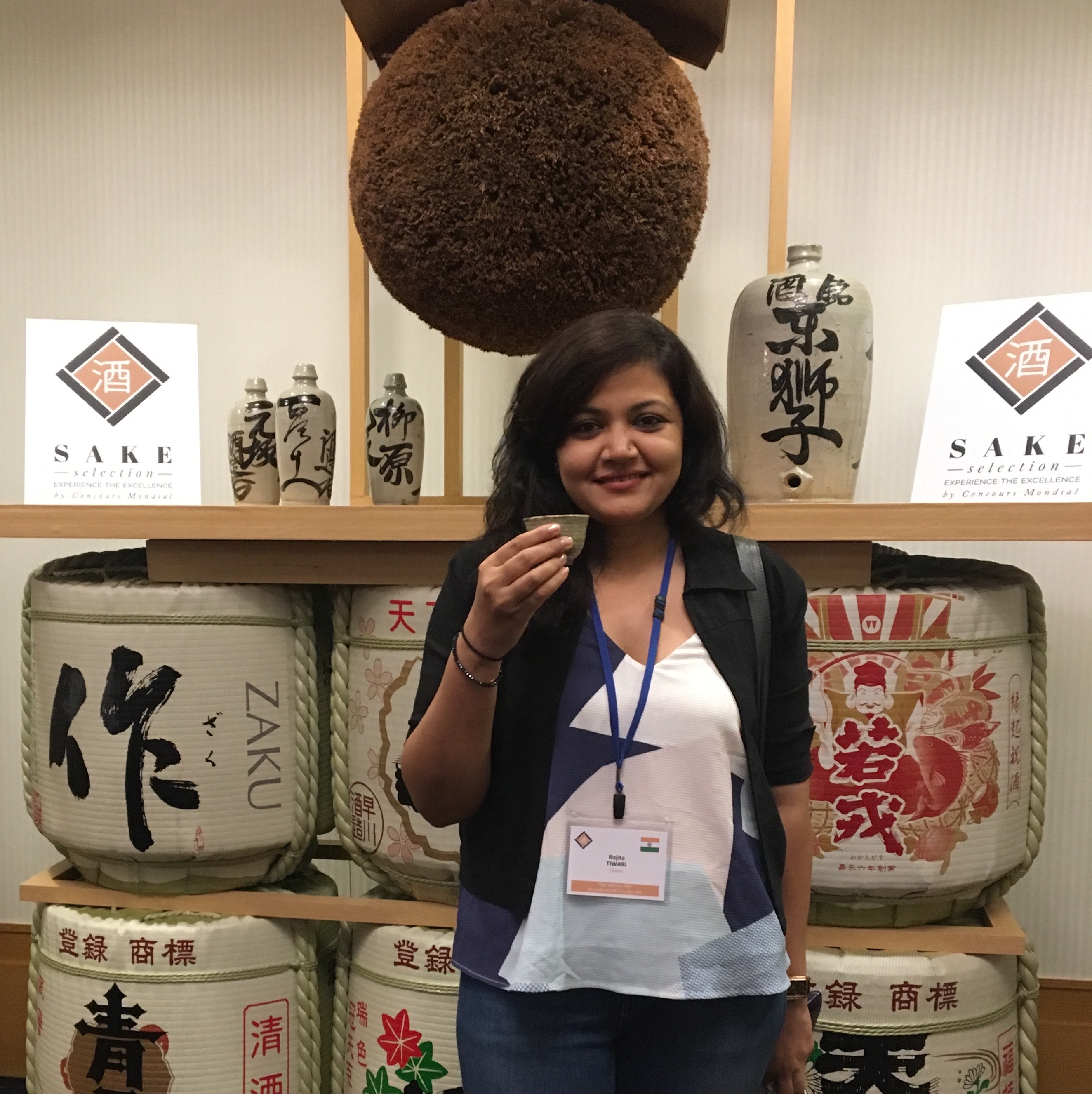
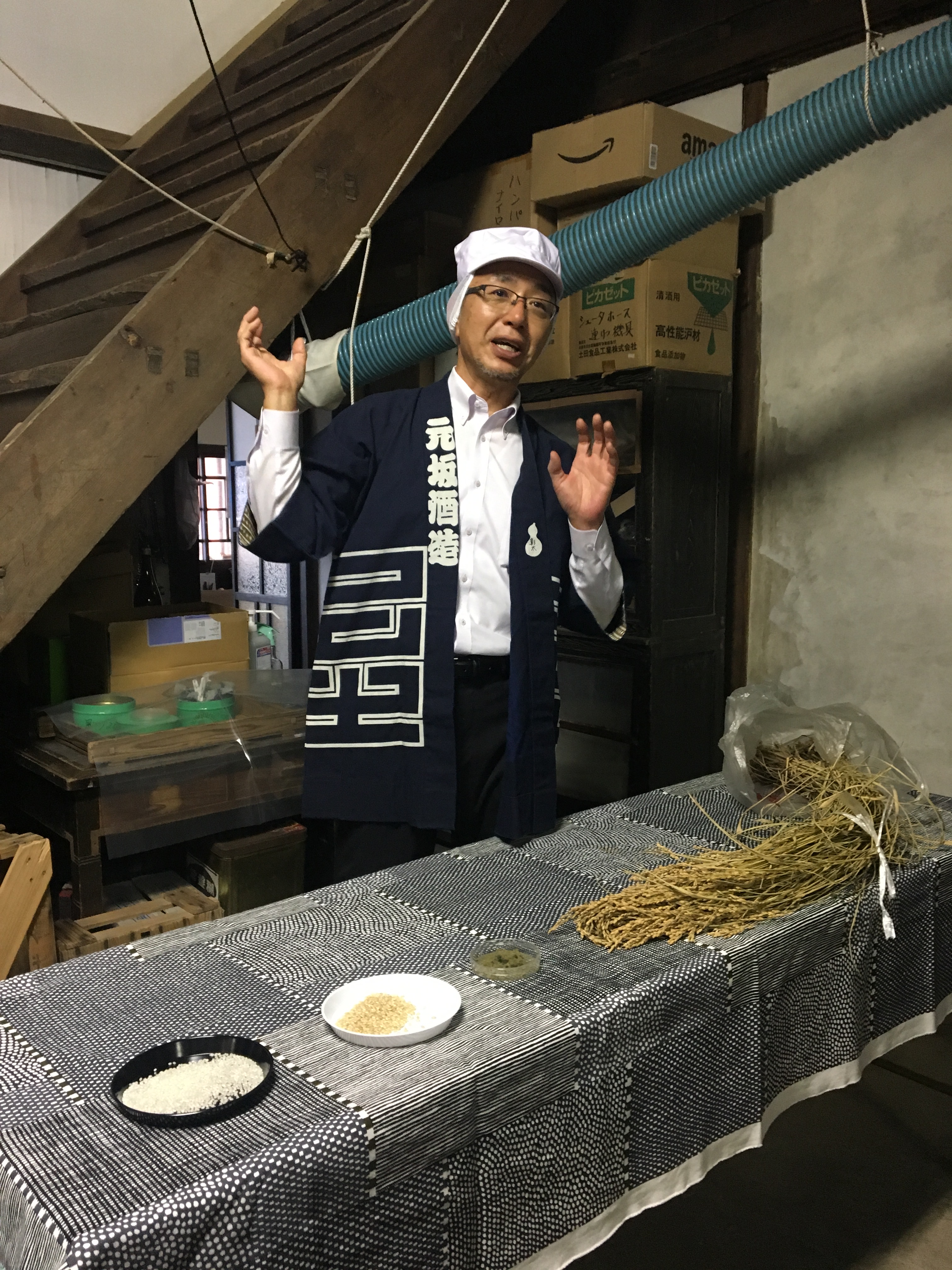
While judging at Sake Selection, the competition in Mie Prefecture organized by Concours Mondial de Bruxelles. We spent 5 days getting trained in tasting and understanding various styles of sakes as well as received first hand information on the production techniques at the small sake breweries in the region.
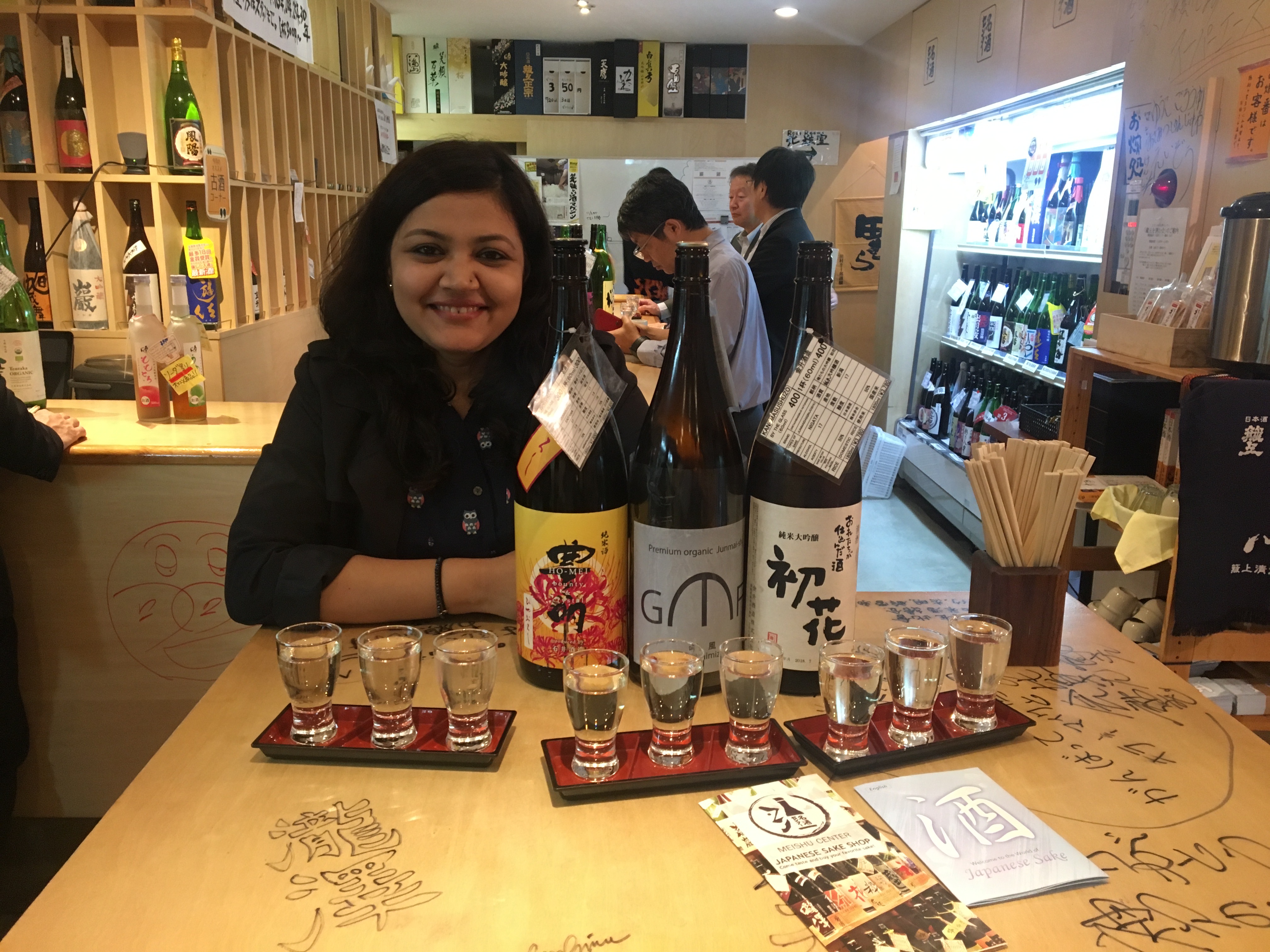
During the last leg of the trip I also spent a few days in Tokyo visiting sake bars and small joints holding sake tastings to enhance knowledge on the Japanese sake, also called Nihonshu.
Did you know that there are 20,000 sake brands sold across Japan? It is said that each brand of sake has its own personality. Here’s what you need to know about sake before you order a bottle during your next trip to Japan hopefully in 2021.
Sake 101:
What is Sake?
Sake is a fermented alcoholic beverage made from rice. Premium sake uses special rice called sake rice, which is suited for brewing good quality sake. The grains of this type of rice called shuzo kotekimai are a bit larger than table rice and processing rice. Sake rice is also called sakamai.
‘Jizake’ Sake
Jizake means local sake. The term acknowledges the region where sake is made. There is major temperature difference between north and the south of Japan and this terms helps define the individuality of the sake produced in each region complimenting to its food and culture.
Sake Classification
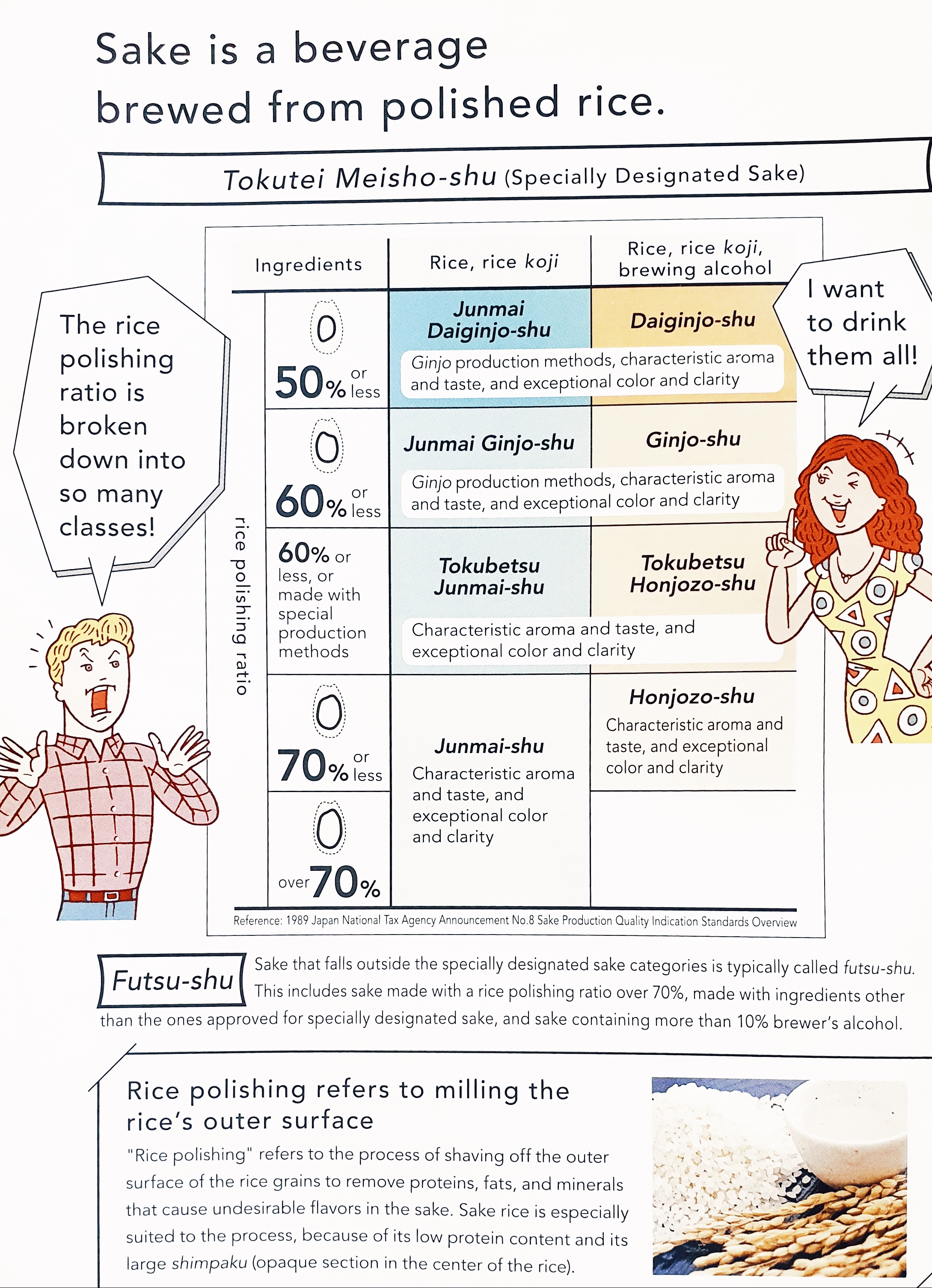
Broadly sake is classified into tokutei-meisho-shu (specially designed sake) and futsu-shu (table sake).
So what is tokutei-meisho-shu? This indicates the rice polishing ratio and a few other factors.
Sake Production
One of the main ingredients that define good sake is water. Sake consists of 80% water. The mineral content of the water influences the growth of the koji mold and yeast, so the flavour of the sake is dependent on the quality of water and rice. Sake rice has a milky white colour in its core. The degree of polishing of the rice affects the result.
To bring out the aromas in the sake and sharpen the flavour sometimes brewing alcohol is added to Moromi the fermenting mash that becomes the undiluted sake and determines the character of the sake.
Lastly, the microorganisms that control the quality of the sake are Koji Mold and yeast. Acting as the basis for the Koji mold coverts starch to sugar and the yeast ferments the glucose into alcohol and carbon dioxide. Both these elements influence the flavour and aroma of the product.
Sake is the same group of fermented liquor as wine and beer. But the unique characteristic of sake is that it uses a sophisticated production method called ‘multiple parallel fermentation.’
In case of beer malt goes through saccharification and then with the beer yeast it goes through fermentation but in the case of sake the process of adding Koji mold that triggers saccharification and addition of sake yeast that does fermentation happens simultaneously.
Sake Types (Specially designated names)
Polishing of the sake rice is what defines various types and styles in specially designated category of sake. However, the basic rules for specially designated sake are – it must be made with at least 15% rice koji. The weight of the brewers alcohol added must not exceed 10% of the weight of the white rice used in making the sake. You can call a sake junmai-shu as long as it is sake made with rice and rice koji only.
The other sake types
There are at least 17 types of sakes but we will only be talking about the 10 popular styles here.
1) Arabashiri – Free run sake – First part of the sake that comes off the press when the moromi is pressed. It contains a little particles and relatively less amounts of alcohol. This has mainly freshly fermented notes with prominent carbon dioxide.
2) Koshu – Long-term storage and aged sake which can be aged for 6 months to even 5 years.
3) Genshu – Undiluted sake which goes upto 18% to 20% abv due to no dilution with water.
4) Happo-seishu – Sparkling sake which has a lot of carbon dioxide.
5) Hiya- oroshi- Special Autumn sake which has been pasteruzied once and stored until fall. This sake is sold without a second pasteurization.
6) Kijoshu – Aged and specialty sake- The kind that is made with sake as base instead of water. This has been a prized variety since ancient times.
7) Muroka – Unfiltered sake- after pressing the moromi sake is filtered to stabilize the quality and this sake skips that last step of filteration.
8) Taru zake – Cask sake – kept in a cedar cask that adds domnant wood notes to sake.
9) Namazake – Unpasturized sake – Sold without any pasteurization.
10) Tei-aru-shu – Sake with an abv below 12%. Light and refershing.
Understanding label & terminology at restaurants
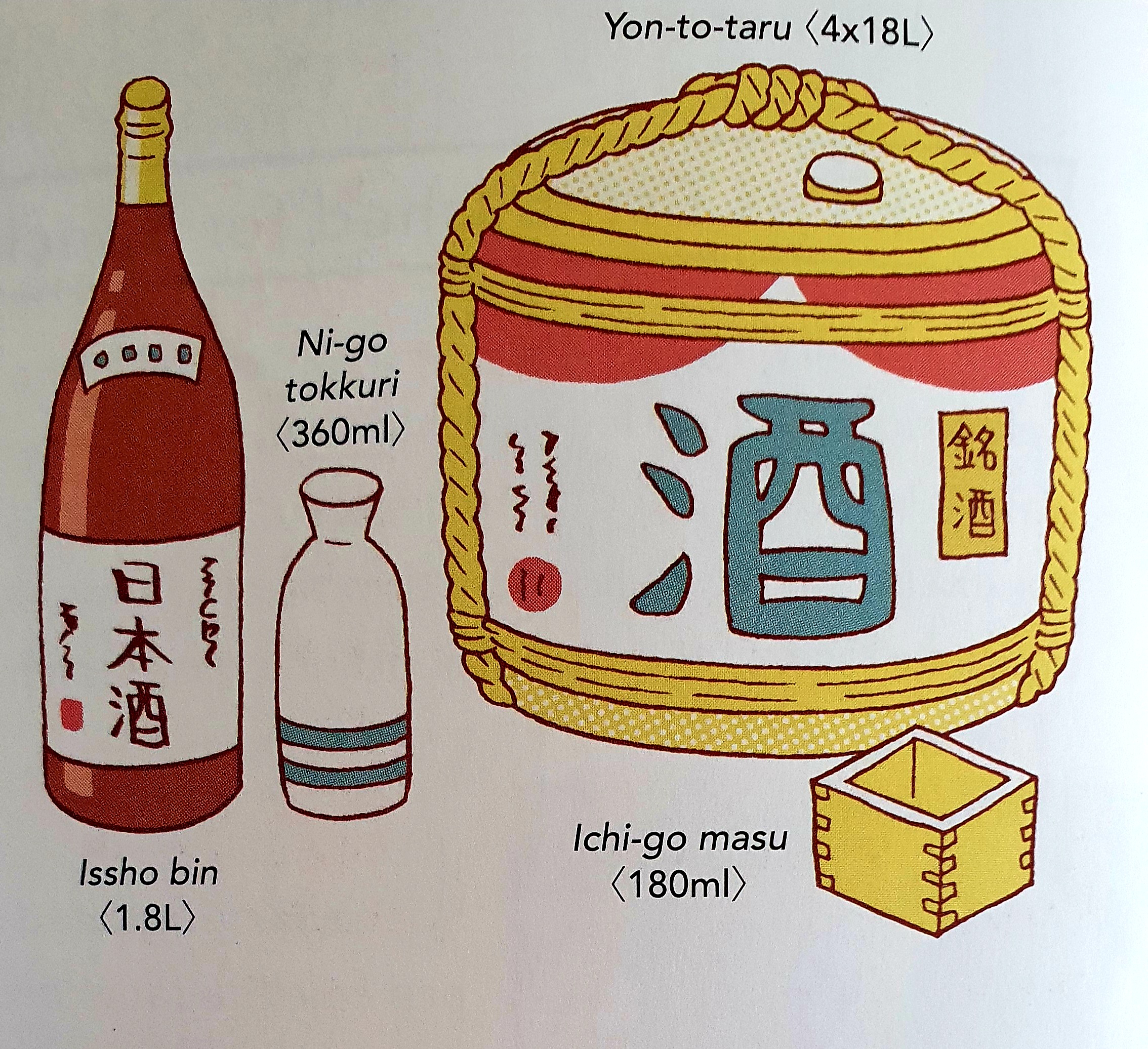
Yes, there’s such a thing as ‘bad sake’. Trust me, because on a day that I was feeling adventurous during my stay in Tokyo I ordered a tokkuriin one of the Izakayas to go with my yakitori and edamame for lunch. That sake turned out to be the only bad sake that I tasted during my stay in Japan.
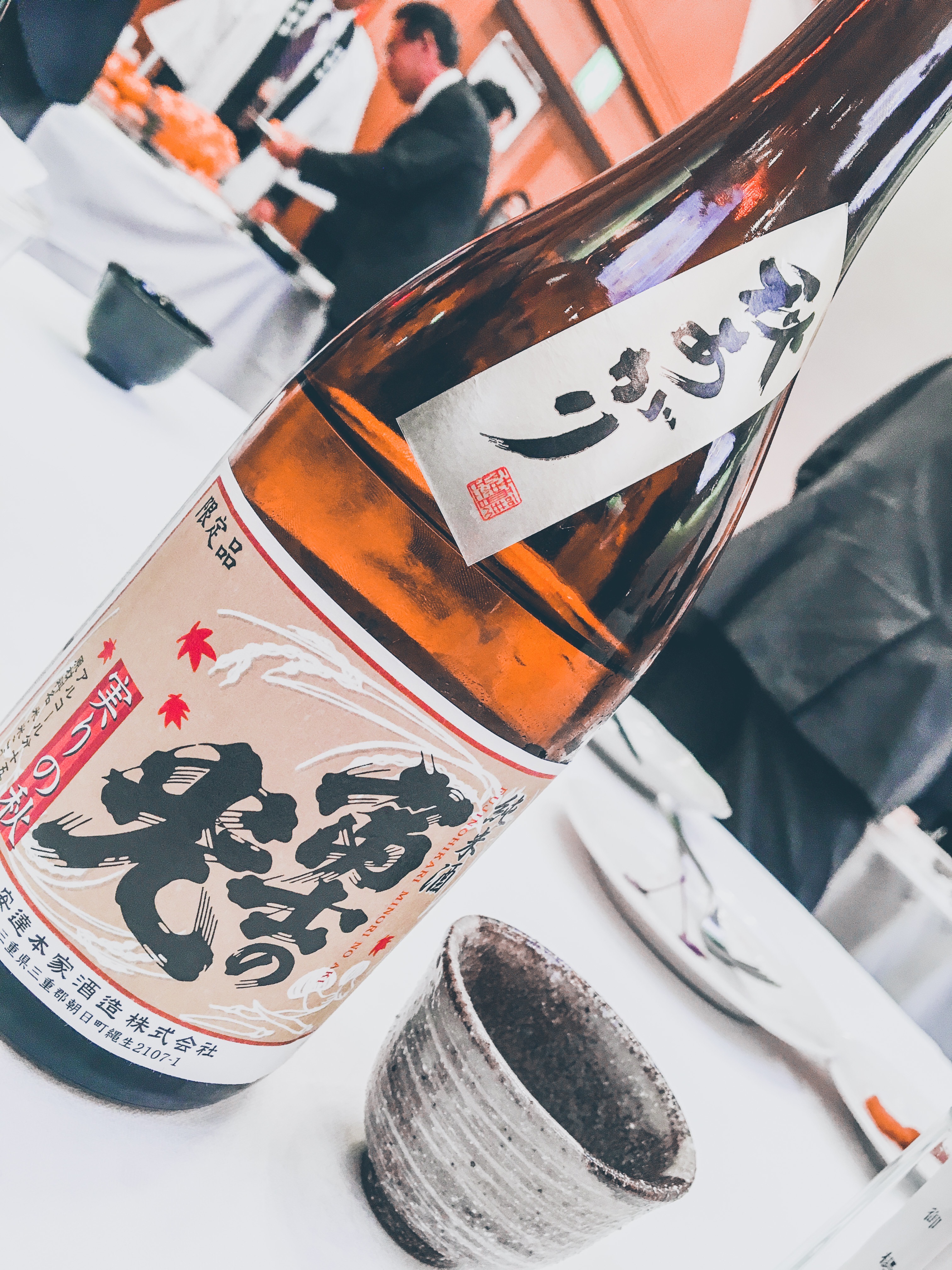
Hence, this brief guideline for you to understand the sake labels and what to order in a restaurant.
Sake etiquette
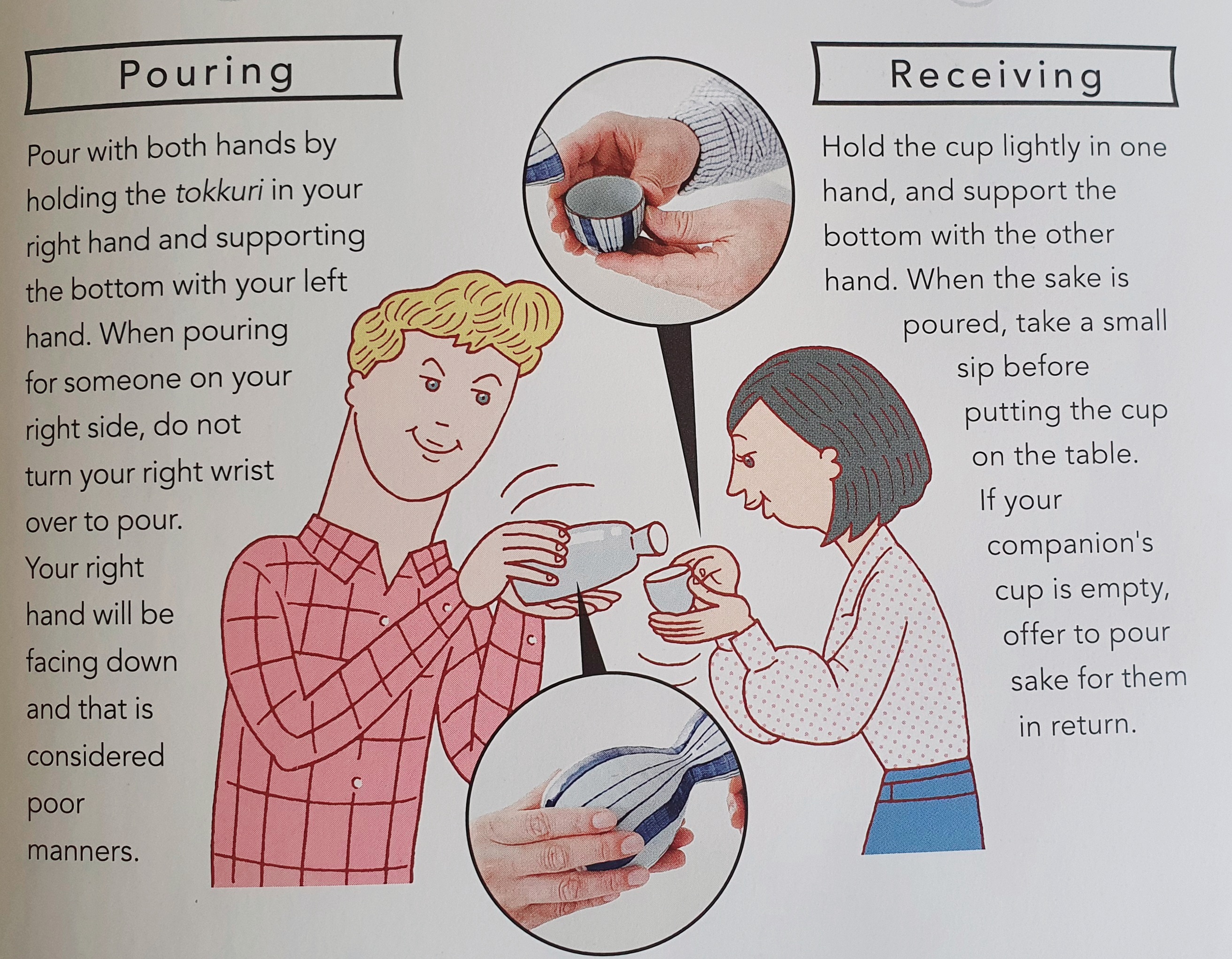
Don’t shake the tokkuri to check if it is empty. Your warm sake won’t benefit much from this act.
Don’t peep into the tokkuri to see if there’s any sake left. J
Don’t drink straight from the tokkuri.
Don’t mix the drinks from several tokkuri.
* Always ask for water when you drink sake.
Follow all these guidelines; remember some of the types of sakes and you are going to have a great time tasting sake.
Will offer you some Sake and food pairing guidelines, how to taste sake and in which sake cups, another time. Until then, Happy Sake Day! Kampai!
Source : JSS
The Only Feed You Need: Booze, Buzz & Beyond
Stay informed with curated content and the latest headlines, all delivered straight to your inbox. Subscribe now to stay ahead and never miss a beat!