• Negroni Week is an initiative by Campari and Imbibe magazine which aims to celebrate one of the world’s great cocktails and in the process raising money for charitable causes around the world. The concept introduced in India in 2015 has gained immense popularity since then. Aspri Spirits, the importer of Campari, the Italian bitter, herbal, and aromatic drink has been able to place India as the second largest participant in Asia, and 14th in the world this year.

    As goes the idea behind this, to participate, each bar signs up at http://www.negroniweek.com, chooses from the list of recommended charities, and makes an immediate donation to that charity. They can also return during and after Negroni Week to make additional donations to their chosen charity. After Negroni Week is complete, they tally the raised amount collectively by all the participating bars, restaurants and partners.

    Around 75 outlets across the country, Delhi-NCR region, Mumbai, Bangalore, Kolkata, Hyderabad, Pune and many other cities took part in this initiative. That’s not all, for the first time, the company partnered with a media platform- The Drinks & Destinations Podcast, as their offcial podcast partner for the week long celebration June 5-11. To add some flavour to this year’s event, Campari and Aspri Spirits associated with two renowned mixologists and two influencers (Yangdup Lama, Owner/Partner at Cocktails & Dreams, Speakeasy and Karina Aggarwal, Alcohol Blogger @Gigglewater411 along with mixologist and Owner Bartrender, Nitin Tewari and Rojita Tiwari of Drinks & Destinations). Their job was to create some exclusive Negroni cocktails by adding some twist to the classic recipe.

    Participating Bars for the Negroni Week were 153 Biere Street, Radio Bar, The Other Side, A Ta Maison, Paasha, Dome, The Gateway Hotels & Resorts, Paparazzi, Alto Vino, The Irish House, Speakeasy cocktails & dreams, Hoot, ITC Hotel, Rude Lounge, The Bombay Bronx, The Fisherman’s Wharf, Town Hall, PDA, Glocal, Social, Mr. Choy, Toast, Public Affair, Pings, Miami, Bar 41, Bootlegger, Big Brewsky, PCO, Harry’s Bar & Café and The Biere Club.

    Negroni_All outlets_coverpage-01

    Negroni week 2017 kick-started on 5th June with a preview event at Mumbai’s famous Razzberry Rhinoceros, an Iconic venue overlooking Arabian sea at the Juhu Beach.

    Here’s what a classic Negroni Recipe is :-

    Campari – 45 ml, Gin – 45 ml and Vermouth – 45 ml with Ice and slice of Orange peel as garnish.

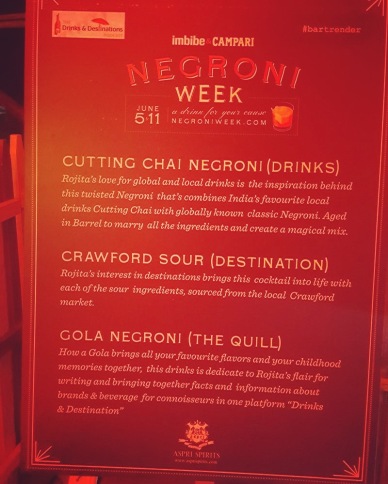
    However, mixoligist Nitin Tewari dedicated his 3 Negroni variations to Rojita Tiwari and her work by redefining Drinks & Destinations and what she does. Here’s what their innovation was –

    CUTTING CHAI NEGRONI

    This twisted Negroni that’s combines India’s favourite local drinks Cutting Chai with globally known classic Negroni. Aged in Barrel to marry all the ingredients and create a magical mix.

    • 20 ml Bombay Sapphire Gin infused with Masala tea
    • 20 Campari
    • 20 ml Martini Rosso
    • Mixed and aged in Oak barrel for 7 days.
    • Method: Stirred
    • Glass: Rock Glass with Ice
    • Garnish: Orange zest and Spice

    CRAWFORD SOUR

    Each of the sour ingredients, sourced from the local Crawford market. This twist to classic Negroni is making Mumbaikar’s fall in love with this cocktail.

    • 20 ml each of Gin, Campari and Martini Rosso
    • 15 ml Lime
    • 10 ml Sugar syrup
    • 20 ml freshly squeezed orange juice
    • 10 ml Egg white
    • Method: Dry shake & normal shake
    • Glass: Sour Glass with ice
    • Garnish: Orange slice

    GOLA NEGRONI

    How a Gola brings all your favourite flavors and your childhood memories together, this Negroni Sorbet brings two of your favourite drinks Red wine sangria and Negroni with a fresh fruit twist.

    • 20 ml each of Gin, Campari and Martini Rosso
    • 60 ml Red wine Sangria made with fresh Mango, apple & orange.
    • Method: Turned into a sorbet using Liquid Nitrogen
    • Glass: Coupe Glass
    • Garnish: Chopped fruits

    IMG_9822

    (It was a great pleasure for me to be associated with the event this year as well as to be the official podcast partner. The Drinks & Destinations Podcast which is India’s only podcast on drinks and travel available on iTunes,Sound Cloud, Audio Boom and other podcast apps has released a special episode on Negroni Week. To listen to the podcast click on the link below.) 
  • 1487845081416

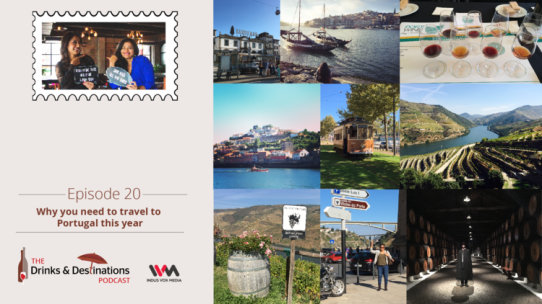
    Portugal is one of the oldest geographically demarcated countries and the 5th most peaceful country in the world. It has given us the word ‘TEA’ and wines like ‘PORT’ and ‘VINHO VERDE’. Portugal is also the sunshine country of Europe with endless places to explore. The food and drinks, the nightlife, the special day celebrating port wines #PortWineDay and the stunning terraced vineyards in Douro valley if all that is not enough do tune into this episode of the Drinks & Destinations Podcast where the hosts Rojita & Sameera will take you on a journey through this vibrant and colourful country in Europe.

    Hit Play and listen to the episode.

    Do send us your feedbacks and queries on drinksanddestinations@gmail.com.

  • After a long gap, the leading global spirits company Pernod-Ricard has decided to expand it’s imported wine portfolio in India. The company recently introduced Campo Viejo, the no 1 wine brand from Rioja, Spain.

    A multi-award winning and sustainable winery, Campo Viejo has a love and respect for the land and its winemaking heritage. Committed to environmentally friendly winemaking practices, Campo Viejo was the first Spanish winery and one of the first wineries in the world to be certified Carbon Neutral.

    Speaking about the launch, Jagbir Sidhu, Vice President, Marketing, Pernod Ricard India, said, “We are proud to present Campo Viejo, as the latest addition to our portfolio of wines in India. India is an emerging wine market and there is a huge opportunity to grow. Campo Viejo is the No.1 Rioja wine globally and No. 1 Rioja wine in the UK, Canada, and Germany etc. In the UK, it is also the No.1 Spanish wine. We want to make sure we have a big footprint in India with the right brands and believe that Campo Viejo will play an important role in this ambition. This as an exciting phase for us and we are confident that not only will Campo enhance our connection with the fun loving, experimenting, modern yet evolved Indian consumers, but will also set a new benchmark in the wine category in India.”

    The launch event offered a unique experience as Campo Viejo brought on board the versatile and vibrant artist Bahaar Dhawan Rohatgi to bring alive the philosophy of ‘Live Uncorked’ who in turn designed the bar as an art piece.

    Federico Lleonart, Global Brand Ambassador, Campo Viejo, added, “At Campo Viejo, we express ourselves through our wines in the same way an artist expresses themselves through their work. Winemaking is truly an art form; both artist and winemaker start with a blank canvas and through extensive craftsmanship, experimentation and dedication, masterpieces are created. It was great to see art and winemaking come together before us and what better way to celebrate the start of something new but through bringing alive this idea!”The two variants of Campo Viejo will be available in India –

    The two variants of Campo Viejo available in India are Campo Viejo Tempranillo, the best expression of the Rioja Tempranillo and Campo Viejo Blanco, which is a blend of Tempranillo and Viura grapes.

    The wines will be available across 5 Star Hotels, premium restaurants & liquor stores in Delhi, Mumbai, and Bangalore and are priced at around Rs.2000 in the Mumbai market.


  • 1487241326301

    Hit play and listen to the episode.

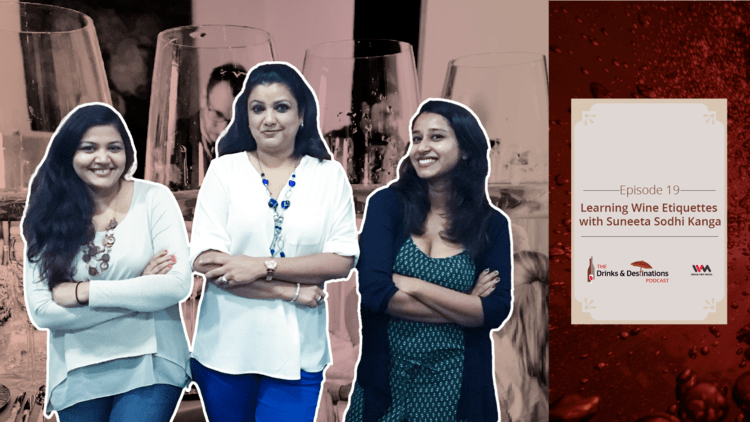
    Everyone has at least once gone through that awkward moment in life where it felt like a daunting task to dress up for a very formal event or to order a glass of wine from an extensive wine list of a fine dining place or the right ways to greet people. In this episode of The Drinks & Destinations Podcast Hosts Rojita & Sameera chat with Corporate Etiquette and grooming specialist Suneeta Sodhi Kanga about all the intricate nuances of presenting yourself as a gentleman/woman at a wine tasting, black tie dinner or just about anywhere. So Hit Play and listen to the episode here. We would love to get your feedback so do write to us on drinksanddestinations@gmail.com.

    The Drinks&Destinations Podcast is also available on:
    ITunes: https://goo.gl/shfJuI
    You can find us on Audioboom: https://goo.gl/bwazDj
    Or generally, just about any app you use to get your podcasts; Stitcher, Overcast, Beyond Pod, Podmalaxmi (that is not real, but don’t you wish it was?)

    Follow Drinks & Destinations on: Facebook: https://www.facebook.com/rojita.tiwari/
    Twitter: https://twitter.com/RojitaTiwari
    Instagram: https://www.instagram.com/drinksanddestinations/

  •  As I stepped out of the airport in Mauritius and began my journey towards the main island all I could see around was long stretches of sugar cane fields with occasional sightings of a few Indian men and women who looked right out of a Bollywood movie from the 60’s. I got curious and asked around to explore their India connection and found out that during the British colonization, sugar cane farmers from the fields of north India were taken to Mauritius to work in the sugar cane fields to exploit their expertise and understanding of the crop. They never returned. While India has changed in many ways since then, the Indians in Mauritius are still keeping that connection alive.


    Interestingly, India’s connection with distillation goes back to at least 1500 years. While there have been many mythological references to sugar cane as an important crop in India, the accurate history of distillation seems to be uncertain. Although, there are references to drinks such as ‘Soma’ in the images of kings and emperors courts offering evidence of a certain kind of intoxicating drink served for their entertainment, ‘Sura’- a kind of strong beer, prepared from grain (barley or rice) was popular amongst the lower class. Yet, the official records on the history of alcohol consumption in India are obscure. However, the definitive moment came during the British Raaj (rule) in India.

    The British contribution – Rum, Beer, and Whisky

    The British officers posted in India often longed for their favourite tipple. Besides the regular ration of Scotch whisky, wine, that they received from England, they were too keen to start brewing and distilling locally. That’s when they found a place, Kasauli, a small cantonment town in Solan district of Himachal Pradesh. Commissioned by Edward Abraham Dyer the Kasauli distillery and brewery were set up in 1855 with equipment brought from England and Scotland. Some of the original equipment including the copper pot stills is still in use in the distillery today. Later on, the brewery was moved to Solan whereas the distillery is still operational in Kasauli (the highest in the world with 2000m altitude). The company Dyer Breweries limited was later merged with Meakin Breweries Limited and now operates as Mohan Meakin Ltd., the producer of the most iconic rum brand from India, Old Monk, since 1954. Kasauli distillery, the oldest distillery in Asia is also known for its single malt brand Solan No1, the most popular Indian whisky brand until the 80’s.

    There was also a man named Gordon Shaw who owned the Assam Frontier Tea Company. He appointed Charles William Wallace and got into the liquor business in 1886. Later when British were leaving India in late 40’s beside successfully running the Indian Made Foreign Liquor (IMFL) business Shaw Wallace had also diversified its business to many other fields. In 2005 United Breweries Group, the company owned by Vijay Mallya’s father acquired Shaw Wallace, and the rest is history. The whiskies, Royal Challenge and Director’s Special from Shaw Wallace’s IMFL portfolio later became a part of the United Spirits Limited.

    Sugar Cane production and Distillation process and Use of molasses as bio-fuel

    The distilleries in India are linked to the country’s sugar cane production. They have also been modified in the last few years to have a high-quality standard of producing ethanol, with a volume capacity of above 1.5 billion liters per year. In states such as Maharashtra and Uttar Pradesh, sugar factories make the molasses for industrial alcohol. After the Second World War, there was a surplus of molasses as the by-product of sugar production in India. A joint committee of representatives from states producing sugar cane such as UP and Bihar later resolved this problem by advising to produce industrial alcohol, ethanol to mixed with petrol as motor fuel. Biofuel production from grains may be allowed in other parts of the world but India, it has mainly been sourced from molasses. However, off late grain-based ethanol has been produced by a number of distilleries in the country.

    Distillers in India producing Rum and Whisky (IMFL)

    The domestic liquor industry recently saw a big shift with Diageo’s acquisition of India’s number one spirits company United Spirits Limited. Besides USL, the other major domestic players are Radico Khaitan, Allied Blender’s and Distillers, Tilak Nagar Industries, Khoday’s, Amrut Distilleries, John Distilleries, Simbhaoli Sugars, Empee Distilleries, Jagatjit Industries, Mohan Meakin Ltd., I brands and the new entrant Wild Tiger Beverages etc. Interestingly, almost all IMFL rum and whisky brands are made from molasses.

    The bulk of the spirits consumption is still domestic whisky, rum, vodka and brandy. The liquor industry in India is estimated to be around Rs41, 000 crores.  Since the existing alcohol labelling laws still have some grey areas, not just Indian whisky but also rum is put under the law as just ‘neutral spirit’ allowing it to be any ethyl alcohol of agricultural origin, in this case, distilled from molasses.

    While all over the world rum is defined as an alcoholic drink from fermented sugar cane juice or molasses with certain described taste, smell and flavour profiles of rum, the Indian laws still allows natural extracts, artificial flavours, colours etc. not always referring to the age of the rum. Only a handful of rum producers such as Amrut Distilleries and Wild Tiger Beverages have brands that go through some minimum oak aging.

    Out of the total liquor market in India, around 93% is still controlled by spirits (Imported plus IMFL) out of which only 16% is the rum market.

    Rum Brands in India 

    In the IMFL segment, brands such as Contessa, Celebrations, Old Monk, Mc Dowells No 1, Old Port, Jolly Rogers, Hercules, Amrut’s Classic XXX still have a stronghold whereas in the premium category, brands such as Two Indies natural Rum with no artificial flavours, blended with matured Rum made from Indian Jaggery and Wild Tiger Rum which is aged in American Oak casks are set to change the trend. In the premium and super premium rum category, Bacardi, Captain Morgan, Havana Club, Ron Zacapa, El Dorado and Malibu have a significant presence too.

    While rising income levels and aspirations of the young consumers is pushing for the premiumisation of alcohol in the country, it will be interesting to see an upgrade in the rum market where more and more companies decide to use the aromatic blends of natural cane juice spirit and molasses spirit instead of artificial flavours.

    (This article was originally featured in the french magazine Rumporter  on 29/03/2017)

  • Listen to the episode here.


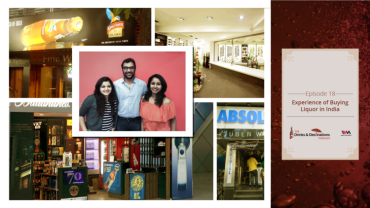
    The experience of buying liquor in India is the most distinctive one, especially for women. While in most parts of the country alcohol is still considered a taboo, the big cities and metros have seen a huge change in the retail format. One of the leading liquor retailers in Mumbai, Juben Wines was the pioneer in changing the look and feel of the stores. In this episode of The Drinks & Destinations Podcast, Satyam Savla, Co-Owner of Juben Wines chats with hosts Rojita & Sameera about how things have changed over the last few years and why it will still take us some time to reach the international standard. A store owner, liquor buyer or just someone wanting to get into the liquor retail space in India, must tune into the episode now! You can also write to us on drinksanddestinations@gmail.com.

    The Drinks&Destinations Podcast is also available on:
    Itunes: https://goo.gl/shfJuI
    You can find us on Audioboom: https://goo.gl/bwazDj
    Or generally, just about any app you use to get your podcasts; Stitcher, Overcast, Beyond Pod, Podmalaxmi (that is not real, but don’t you wish it was?)

    Follow Drinks & Destinations on Facebook: https://www.facebook.com/rojita.tiwari/
    Twitter: https://twitter.com/RojitaTiwari
    Instagram: https://www.instagram.com/drinksanddestinations/

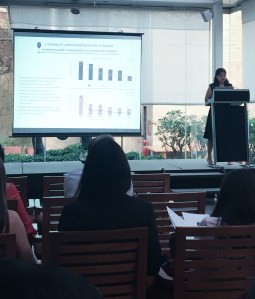
  • India Wine Insider 2017, the first-ever survey of the urban Indian wine consumers shows some interesting trends in the market. The recently released report which took into account around 900 samples from five top cities of India highlights a significant consumer interest in wine as a category and need for extensive promotion of the wine by the glass programme.  

    Though the Indian wine industry is around 30 years old, the real growth in consumption has been recorded only in last few years. Rapid urbanization, rising disposable incomes, accessibility of domestic as well as imported wines have been instrumental in driving this segment. According to the report, only 2-3 million consumers consume total 24 million litres of wine in the country.

    The report released by Sonal Holland, India’s first and only Master of Wine and Founder of the Sonal Holland Wine Academy identifies the top 10 trends in wine among Indian consumer. The data collected through Drshti Strategic Research Services Pvt. Ltd. highlights the following consumer behaviour.

    Sonal Holland Presenting India Wine Insider 2017
    1. Consumers’ understanding of wine is limited; however, awareness and consumption are positively related. Other than colour, there is very little involvement with other wine styles; names of regions and grape varieties remain under-developed cues. This points to the nascence of the wine market in India, and the scope for educating and involving the consumer.
    2. Price remains the most important choice cue for consumers. Other important choice cues used by consumers when choosing wine are the familiarity of brand name, country of origin and colour of the wine.
    3. Wine is increasingly a ‘mainstream drink’ and is being consumed across a wide range of occasions, both at home and at restaurants/bars. Consumers show a strong preference for drinking wine at home with family members, suggesting that wine is gaining cultural acceptance withinIndian households. In restaurants, wine is being mostly consumed during large gatherings, casual or fine-dining meals.
    4. More than 50% of consumers order wines exclusively by the glass, alluding to the price-sensitivity of Indian consumers as well as the need to drink in moderation. This finding highlights the need for better-developed ‘wine-by- the-glass’ program, fair pricing strategies with a balanced representation of both domestic and international wines on wine lists.
    5. Despite price-sensitivity, consumers spend more on wines to impress. More expensive wines are being poured at business meetings, social parties and for gifting to set a favourable impression, making wine important in the social context.
    6. Wine is uniquely positioned in the consumer’s mind as a healthy, sophisticated and a less intoxicating (therefore socially acceptable beverage). These qualities make wine unique, unlike any other beverage thereby giving it a distinctive marketable advantage over other alcoholic beverages.
    7. Consumers view international wines more favourably over domestic wines. Despite being expensive, imported wines are perceived superior to Indian wines in terms of quality,  packaging and as gifting options.  The  only association where Indian wines are rated over international wines is that they offer ‘value for money.’
    8. Women represent an increasingly important market segment for the wine industry. Indian women view wine as a classy, empowering, healthy beverage and are experiencing fewer cultural inhibitions when drinking wine in the presence of their family members or the society at large.Women are purchasing wine as often as men across all occasions with a propensity to spend marginally more than men on a bottle of wine.
    9. There are significant variations in how wine is perceived and consumed across India. WhilstMumbai remains India’s largest wine consumption market, findings suggest that it is largely a domestic wine-driven market with the low frequency of wine purchases and relatively lower spending on wine, compared to other centres. Delhi shows an evolved culture with higher share consumption of international wines over domestic wines, coupled with a higher propensity for wine spends than Mumbai. Bangalore and Pune are vibrant wine markets that can no longer be ignored. Consumers in these two cities show an equal preference for both domestic and international wines across a range of styles, regions, and varieties; willingness to pay higher price points, pointing to a rapidly emerging wine culture. Goa, on the other hand, displays a preference for consuming wines largely at home with a high prevalence of inexpensive Indian wines in their drinking portfolio.
    10. Younger consumers (25-34-year-olds) represent a promising market segment for the wine industry. Contrary to popular trade belief that the younger segment does not know how to appreciate wine, the study reveals that 25-34-year-olds are purchasing wine as often as the older consumers. They show a strong preference for international wines over domestic wines and drink wines to appear classy, sophisticated and intelligent. Their positive attitude towards wine and aspiration to drink better quality wines positions them as tomorrow’s frequent, loyal wine drinkers.
    L to R: Ava Bakaya, Vishal Kadakia, Sonal Holland, Kapil Grover and Jasjit Assi

    The release of the report was followed by a panel discussion on ‘What the Consumer Thinks and Drinks’ among the leading wine professionals in the country. Joining Sonal on the panel were Kapil Grover – Founder & Chairman at Grover Zampa Vineyards; Vishal Kadakia – Founder & Director of Wine Park; and Jasjit Assi, – Hotel Manager at Four Seasons Hotel Mumbai. While the discussion raised some important subjects such as the need to increase wine education amongst hotel staff, keeping prices competitive for Indian wines, the need to change perceptions via education so that Indian wines are consumed by the premium wine drinkers, focusing on the women wine drinkers and changing the aura around wine to make it more fun and casual for the younger generation were some of the highlights. However, the most significant takeaway from the discussion was the need to encourage more hotel and establishments to serve wine by the glass.


  • 1486030541790

    Listen to the episode here.

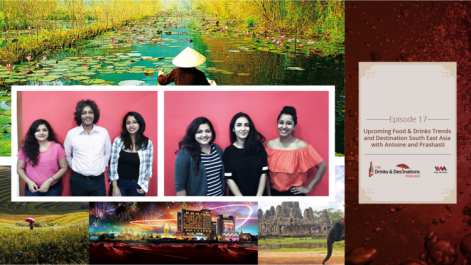
    This episode of The Drinks & Destinations Podcast is about the latest food trends in India, the favourite destinations for food and drinks and a very special insight into the travel scene in South East Asia. If you have plans of visiting Vietnam or Cambodia in the coming days, this episode has tips from food writer Prashasti Pandey sharing her personal experience of all the best places to visit for food and drinks there. The renowned Food writer and Radio Presenter Antoine Lewis chats with Hosts Rojita & Sameera about the latest restaurant formats which are here to stay and the ones which will die a slow death. He also talks about the issue of service charge in restaurants and all that you need to know about it. Hit Play and listen to the episode here. You can also send us your queries and suggestions on drinksanddestinations@gmail.com

    The Drinks&Destinations Podcast is also available on:
    ITunes: https://goo.gl/shfJuI
    You can find us on Audioboom: https://goo.gl/bwazDj
    Or generally, just about any app you use to get your podcasts; Stitcher, Overcast, Beyond Pod, Podmalaxmi (that is not real, but don’t you wish it was?)

    Follow Drinks & Destinations on : Facebook: https://www.facebook.com/rojita.tiwari/
    Twitter: https://twitter.com/RojitaTiwari
    Instagram: https://www.instagram.com/drinksanddestinations

  • 1485352054694

    Listen to the episode here.

    In this special episode of the drinks and destinations podcast hosts Rojita and Sameera chat with Cecilia Oldne, VP Marketing and Global brand ambassador for Sula Vineyards. Joining us for the second time in the studio, she is going to talk about the preparations for 10th yr anniversary celebrations of SulaFest, the mega wine and music festival in the country. From artists line-up to major associations to the happening bars and fashion trends at the fest, we have all that and more in store for you in this episode. Hit play and listen to it now. Also for queries and feedback write to us at drinksanddestinations@gmail.com.

    The Drinks&Destinations Podcast is also available on:
    ITunes: https://goo.gl/shfJuI
    You can find us on Audioboom: https://goo.gl/bwazDj
    Or generally, just about any app you use to get your podcasts; Stitcher, Overcast, Beyond Pod, Podmalaxmi (that is not real, but don’t you wish it was?)

    Follow Drinks & Destinations on: Facebook: https://www.facebook.com/rojita.tiwari/
    Twitter: https://twitter.com/RojitaTiwari
    Instagram: https://www.instagram.com/drinksanddestinations/

  •  

    1484825949047

    Listen to the episode here.

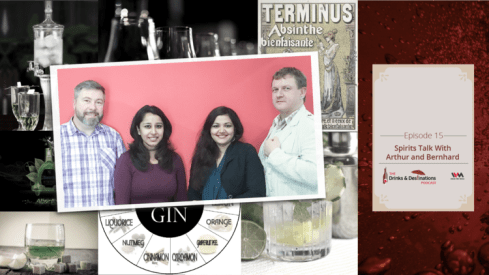
    This episode of The Drinks & Destinations Podcast is a very interesting one as hosts Rojita & Sameera chat with two international spirits experts Arthur Nägele and Bernhard Schäfer in the studio about different kinds of spirits, how to judge spirits in a blind tasting competition, how are the spirits such as Gin and Absinthe produced etc. They also demystify the stories around Absinthe as a drink causing hallucinations and the legend that spread this misconception. Hit play and listen to the stories about Gin and Absinthe. If you have a story to tell do share it with us on drinksanddestinations@gmail.com and we will talk about it on our future episodes.

    The Drinks&Destinations Podcast is also available on:
    ITunes: https://goo.gl/shfJuI
    You can find us on Audioboom: https://goo.gl/bwazDj
    Or generally, just about any app you use to get your podcasts; Stitcher, Overcast, Beyond Pod, Podmalaxmi (that is not real, but don’t you wish it was?)

    Follow Drinks & Destinations on: Facebook: https://www.facebook.com/rojita.tiwari/
    Twitter: https://twitter.com/RojitaTiwari
    Instagram: https://www.instagram.com/drinksanddestinations/

The Only Feed You Need: Booze, Buzz & Beyond

Stay informed with curated content and the latest headlines, all delivered straight to your inbox. Subscribe now to stay ahead and never miss a beat!

Skip to content ↓