• Our/Vodka By You!

    IMG_4064

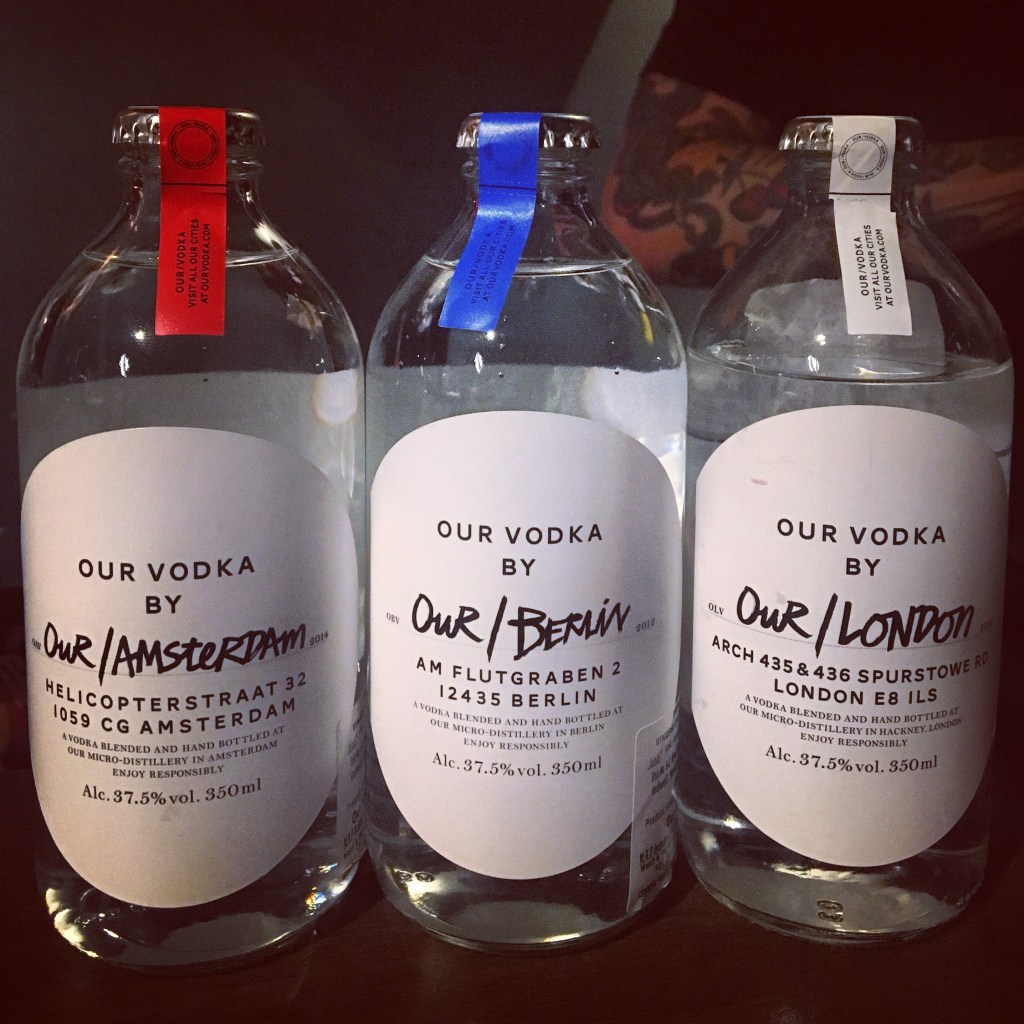
    What if you are given a chance to infuse your own vodka? What if you get to decide the flavour of your vodka? A super premium global vodka brand that is created locally by partnering with people in 5 cities (as of now) is now available in India. Our/Vodka, as the name suggests, believes in the local power and in supporting the neighbourhood.

    Which makes us hopeful, that maybe someday, we will have a variant of Our/Vodka by Our/Mumbai. 

    A group of Mumbai based media and trade professionals had a go at creating their own infusions for the vodka during the masterclass conducted by Thurman Wise, the mixologist and Brand Educator of Our/Vodka, recently.

    The vodka packaged in a small 350ml crown-capped bottle is produced in micro-distilleries in cities such as London, Berlin, Amsterdam, Detroit and Los Angeles at the moment. It is the brainchild of six entrepreneurs based in Stockholm/Sweden 2011. The Co-Founder and CEO Åsa Caap got the idea of creating a global brand with local roots. Kalle, Mattias, Ted, Ola, and Mårten, who worked at the Swedish agency Great Works, also got excited and they all started working on creating Our/Vodka.

    Watch the video of Thurman Wise talking about the creation of Our/Vodka here. 
    It was treated as a black ops project under the umbrella of Pernod Ricard. The team worked on it off-hours and from their homes for 2 years before it was approved to be piloted in Berlin. The first micro-distillery was built in Berlin for Our/Berlin. Since then the team has been busy rolling out Our /Vodka globally.

    Thurman Wise at his masterclass explained, “the vodka is partly distilled, blended and hand bottled in urban micro-distilleries with locally sourced ingredients, using a global recipe. The local entrepreneurs have their own take on our/vodka and give it the city’s name, personality, and expression”.

    While in Mumbai, he took a trip to the local spice market and collected some herbs and spices which were used to create several infusions. The guests at the event chose their preferred variant out of the 3 Our/Vodka (Our/London, Our/Amsterdam, and Our/Berlin) expressions and picked the spices and herbs to create the personalised infusions. What’s the difference between these vodka variants? Wise elaborated, “Our/London has a base of English wheat and tasting notes of pepper, warm spice and floral. Whereas Our/Amsterdam is made from the wheat that comes from northern France and has citrus, floral notes with natural sweetness”.

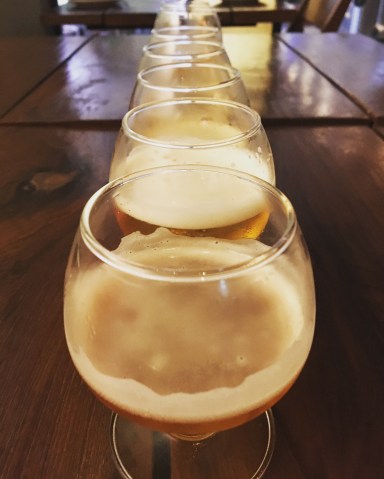
    However, the favourite one of the evening was Our/Berlin made with German wheat sourced from Munsterland. It is buttery, smooth and creamy. Our infusion for Our/Berlin was a mix of grapefruit zest, mace, one long pepper, angelica root and just some cardamom. The creamy and buttery texture of Our/Berlin was very well complimented by this infusion.

    Watch the video of how the vodka infusion is done by using a Siphon (vacuum coffee brewer). 


    Our/ Vodka is imported by Aspri Spirits in India and priced at Rs 3,600 for the 350 ml bottle.


  • Grover Zampa Launches India’s First Bubbly with Gold Flakes


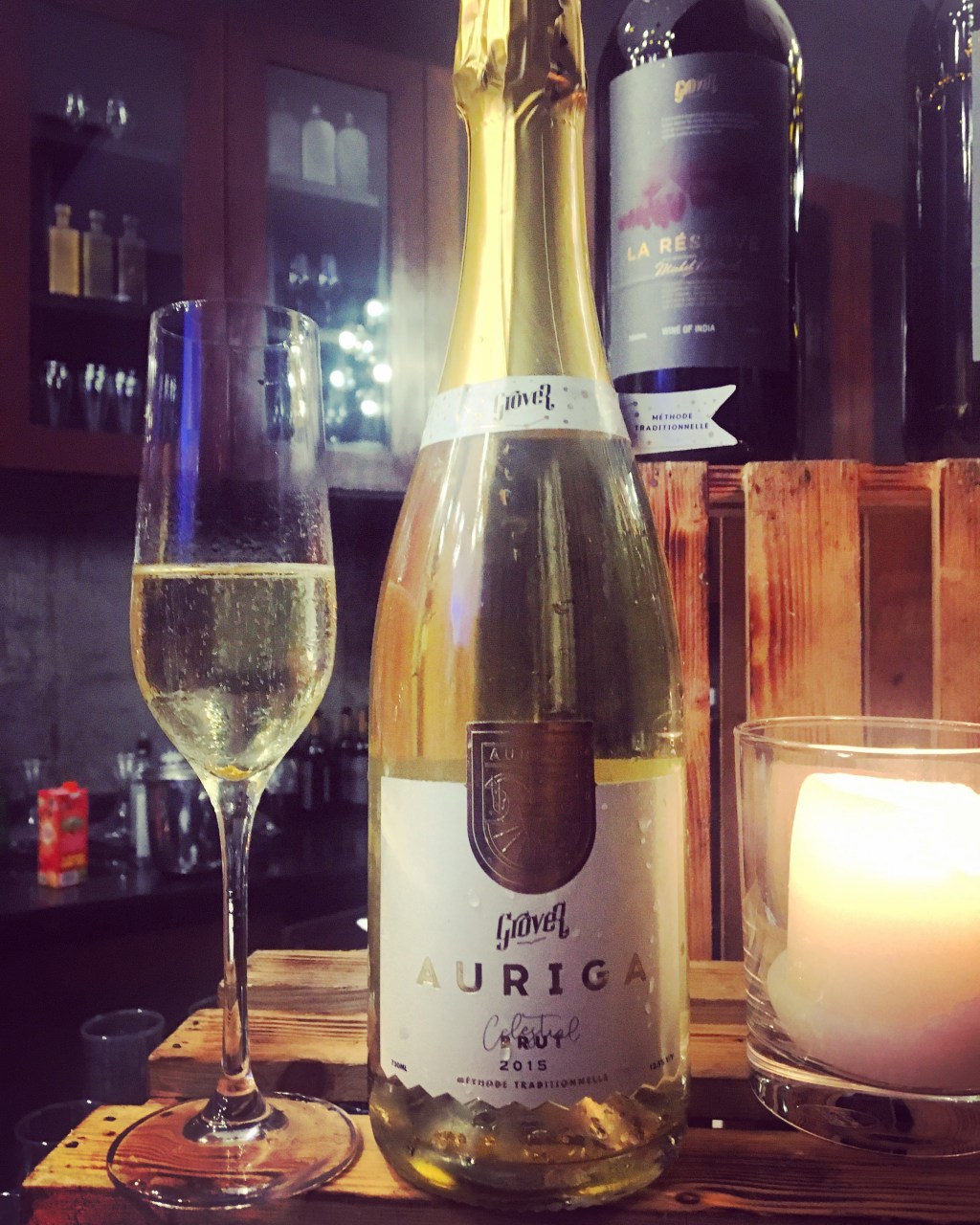
    How does a sparkling wine with 24 k gold flakes taste? Delicious. At least that’s what most of the guests present at the launch event had to say about Grover Zampa’s new sparkling wine Auriga celestial.

    IMG_4323

    On the occasion of its 25th anniversary, India’s leading wine producer Grover Zampa Vineyards organised an evening full of interesting sessions. Starting with a vertical tasting of its flagship wine Grover La Reserve (vintages 2011, 2013 and 2015), one of the country’s first premium reserve wines, followed by a food and wine pairing session conducted by the winemaker Karishma Grover and ending the night with the launch of a new sparkling wine. It was a special evening for the guests as they also tasted Grover Zampa’s signature limited edition wine Insignia 2015 vintage. The wine sold only by invitation in magnum bottles (1.5 liters) is a 100% shiraz wine with only 600 bottles produced from the vineyards in Nandi Hills, Karnataka. Insignia was launched last year and was priced at Rs 5000 per bottle making it India’s most premium wine. This vintage is priced at Rs.6000 and a perfect collector’s wine.

    The new sparkling wine Auriga is named after the constellation and has gold flakes floating inside the bottle. The wine made from Chenin blanc grapes is produced by the traditional method and spends 9 months on lees adding a bit of complexity and creamy texture to the bubbly. Auriga is priced at Rs 1550 and available only in Maharashtra at the moment.

    CtrddivUkAAy626


    Speaking about the 25 yrs journey, Kapil Grover, Chairman, Grover Zampa Vineyards said, “For most, a journey is about traveling from one place to another. For us, it is about reaching a higher ground as we grow. It has been 25 years since we produced our first wine in 1992, a dream envisioned by my father. Today, we boast the most impressive pedigree in the Indian wine industry. This year, in keeping with our traditions of excellence and innovation, we have taken it a notch higher: we proudly present to you Auriga. With this launch, we have added more breadth to our portfolio with a wine that provides the perfect accompaniment for life’s ceremonial moments.” Also present at the occasion was Ravi Jain, Director, Grover Zampa Vineyards who added, “In an era of wine enthusiasts wanting a choice of wines of distinct styles at various price points, Grover Zampa Vineyards has developed a global portfolio that would suit a diverse palate. Today, Grover Zampa Vineyards has successfully completed 25 years of wine making and to mark this celebratory occasion, we have yet again raised the bar through the launch of a unique Brut sparkling wine with edible gold – Auriga. With this collection of vintage sparkling wine, we want every ceremonial occasion to be celebrated with a touch of gold.”

    Grover Zampa has made steady inroads into the export markets and currently exports about 20% of its volume to more than 30 countries, with top markets being France, Japan, and the UK.


  • Top 5 Festive Gift Ideas For A Drinks Enthusiast


    IMG_3605.PNG

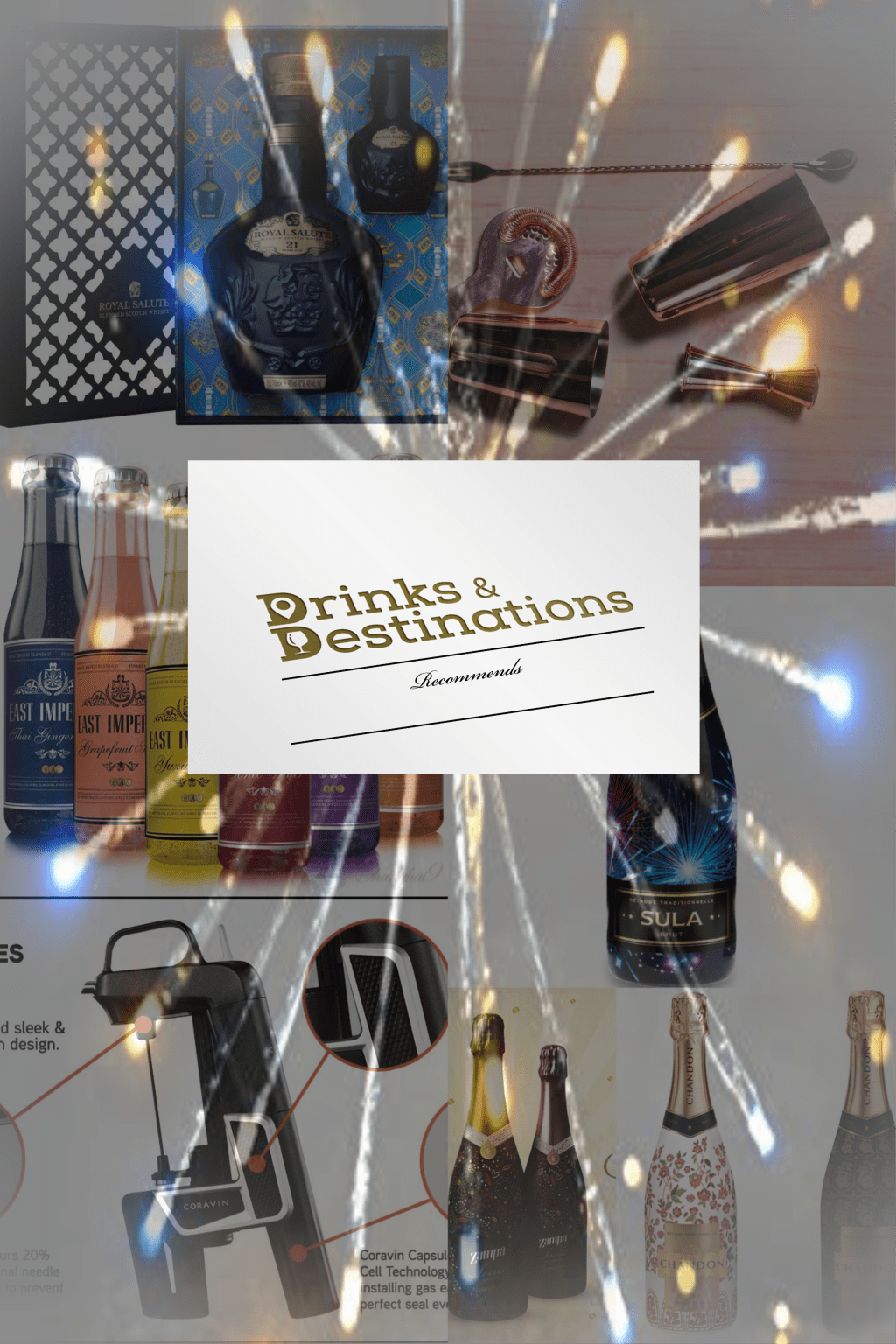
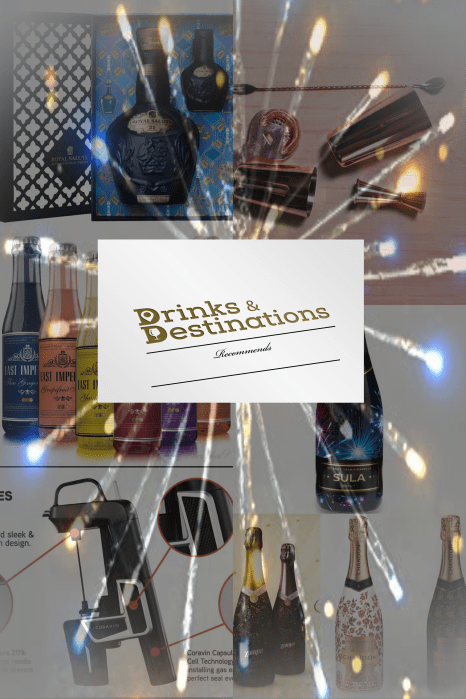
    Diwali kick starts the season of festivities in India and it’s also that time of the year when most people either stroll through shopping malls or browse through endless online portals and apps in search of the perfect gift for the loved ones. Well, worry not! Drinks & Destinations has compiled a few unique gift ideas that are apt for a special friend, family member or boss who’s also a drinks enthusiast like us.

    Limited Edition Sparkles

    What better way to tell someone ‘you are special’ than actually presenting him or her with a bottle of a limited edition sparkling wine this festive season! Well, thankfully Indian wine companies have started introducing special packaging for special occasions and we have many choices.

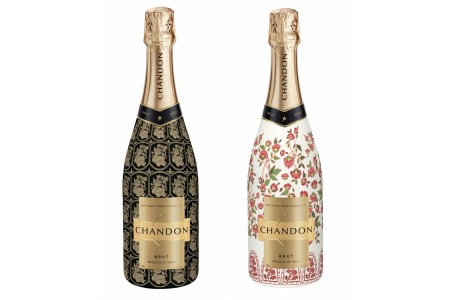
    Chandon-x-Manish-Malhotra

    This year Chandon India introduced two limited edition variants of the Chandon Brut sparkling wine designed by the famous Bollywood fashion designer Manish Malhotra. While the traditional Indian attires ‘saree’ and ‘sherwani’ inspire the designs, the motifs also have reflections of the gardens of Versailles, France. These bottles are priced at Rs 1450 and only available in the market until January 2018. That certainly makes it a very special gift. The limited edition bottles are available in leading wine boutiques, hotels and restaurants in Mumbai, Delhi, Gurgaon, Bengaluru, Pune and select cities in Rajasthan.

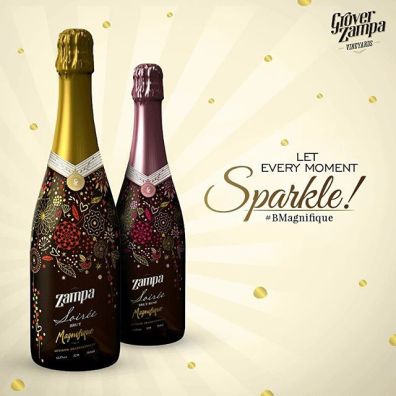
    15623820_1827863920805502_5035489691567128576_n

    Zampa Soiree Brut and Brut Rose, Magnifique from Grover Zampa’s portfolio are celebration packs priced at Rs 1300 and Rs 1400. Only 8000 bottles of this limited edition festive pack were released in Dec last year and if you are lucky you will still find these bottles in the market in Mumbai, New Delhi, and Bangalore. Knowing Grover Zampa’s special affiliation to art collections and designs, these bottles would certainly impress an art connoisseur.

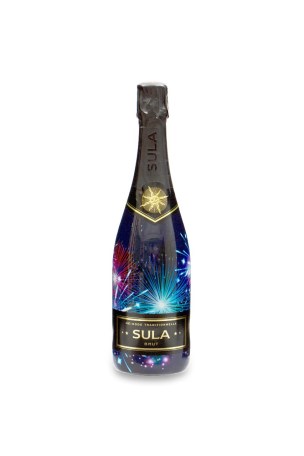
    IMG_3580

    The Sula Sparkling Brut makes for a good Diwali gifting option at Rs 1050 price point in Maharashtra. The bottles are also available in almost every metro cities.

    The ‘Tonic’ To your Gin

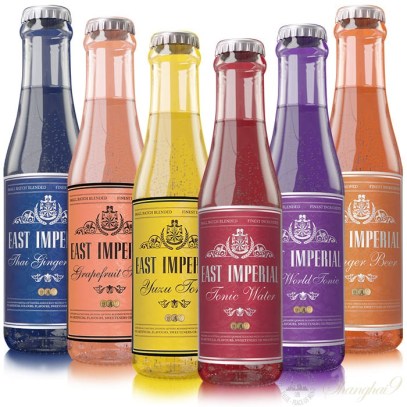
    east-imperial-mixed-6-pack

    East Imperial Tonic waters are one of the finest imports to the country this year. It’s a perfect gift for a G & T lover who believes that his/her G & T is as good as the tonic water in it. Imported from New Zealand by Delhi based MSS TradeMart Pvt Ltd, East Imperial products are made using only the purest ingredients sustainably sourced from Asia and East Africa, home of the original tonic water. These are also all naturally produced and have no ingredients with artificial flavours, sweeteners or preservatives. It has only 30 calories per serve. The Old World Tonic Water, Burma Tonic Water, Yuzu Tonic Water, Thai Ginger, Ginger Beer, Grape Fruit each bottle has a unique flavour profile which can make each drink a special one. Create a gift box of the 6 East Imperial tonic water bottles and it would be the best Rs. 700 you would have ever spent on a Diwali gift.
    Price: Rs 120 per bottle

    Where to find: Mumbai, Delhi Check out http://www.eastimperial.com

    Bar Kit from BARX.co

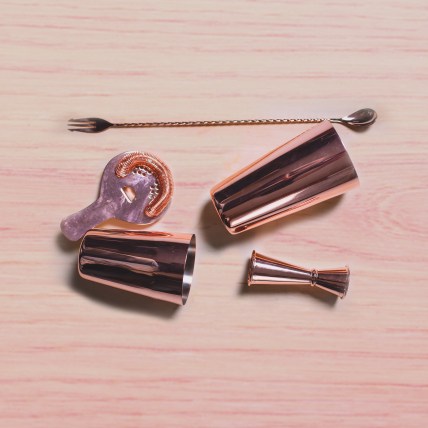
    BARXKIT02-1

    A copper plated bar kit from Barx.co makes for a unique, stylish and premium gift option for someone who enjoys mixing a few cocktails in style. Perfect for a home bar, the kit comes with a cocktail shaker (3 pieces), slim jigger, Trident bar spoon, Hawthorne Strainer. It’s made in Taiwan and the stainless steel with copper plating on it looks certainly festive ready.

    Priced at Rs.9000

    Where to find: www.barx.co / www.amazon.in

    Royal Salute 21 Regent’s Banquet Limited edition gift pack

    http---s3-eu-west-1.amazonaws.com-fthtsi-assets-production-ez-images-7-5-2-6-1316257-1-eng-GB-01-Festive_Pack_FY18_Packshots_miniature_Open_Lid_Angle

    A 21 yo scotch makes for a perfect gift for a scotch lover but when it’s a limited edition Royal Salute pack, you have just become his/her favourite. Royal Salute, the blended scotch whisky which is named after the traditional 21-gun salute, was conceived in 1953 to celebrate the coronation of Her Majesty Queen Elizabeth II has always been a favourite among the royals. As the company celebrated 200 years of commemoration with the lavish Regent’s Banquet of 1817, they collaborated with British designer Angela Groundwater to design this special edition that looks every bit royal.

    Price: Around Rs 12,000

    Where to find: Duty-free or boutique retail stores in Mumbai, New Delhi

    Gift of ‘Coravin’ for the Wine Collector

    This is a boon for the wine buffs. Coravin is a perfect gift for that wine collector or connoisseur who likes to indulge in expensive wines every now and then at home. It is also perfect for that special restaurateur friend of yours who manages a big wine list at a fancy bar or restaurant. This special system, Coravin allows access to wine from a bottle – without pulling the cork. The technology means that the remaining wine is left in the bottle unspoiled for months or years to come. And, you can drink one glass at a time without even removing the foil from top of the bottle. The system imported and marketed by Brindco Private Ltd. in India comes with many variants. This is one gift that’s definitely worth your investment.

    Price: Starting Rs 21000

    Where to find: www.amazon.in or contact Brindco. Also, check out http://www.coravin.com

    Happy festivities!


  • The 2017 IWSR/Vinexpo annual report on the global wine market – considered to be the most comprehensive survey of its kind – identifies several key wine market trends until 2020, including the growing strength of the Chinese market, fast growth of wine exports from France, Italy and Spain and an increasingly marked preference amongst consumers for quality over quantity in several markets, including the UK.

    Global consumption of still and sparkling wines is forecast to increase in volume by 1.9% between 2016 and 2020, primarily due to +12.7% growth in the Asia Pacific and +3.9% growth in the American continent.

    One of the most striking findings is that China will surpass the US as the world’s biggest wine importer, in volume, due to a huge 79.3% growth.

    Although not directly analysed in the report, these trends are likely to lead to the reinforced use of cork, because the fastest growing export markets have a high percentage use of cork closures and the preference revealed for quality over quantity in several markets has consistently been shown to benefit cork stoppers.

    In the US – the world’s biggest wine consumption market – the market share of cork-sealed wines has grown significantly over the last 5 years and now stands at 61%, and according to recent market research, 94% of wine consumers prefer natural cork stoppers.

    A recent survey of Chinese wine consumers by CTR Market Research revealed that 85% of respondents believe that cork-sealed wines have high quality and 84% said they would prefer wines with natural cork stopper as closure when purchasing wines.

    Market analysis throughout the world has consistently shown that consumers identify cork with quality, prefer cork for higher quality wines and are willing to pay a premium for cork-sealed wines. Since 2010 cork closures have recorded significant growth in terms of overall sales and market share. Natural cork continues to be the most popular and highest quality wine closure, with almost seven in every ten bottles worldwide now finished with cork.

    The IWSR/Vinexpo report – which covers still wine and sparkling wine consumption trends across 45 countries from 2010 to 2020 – revealed that French, Italian and Spanish wines are the world leaders in terms of export value.

    Exports of French wines have grown by +9.5% since 2010 and were worth US$ 22.227 billion in 2015 – representing 28.5% of global wine exports. Wine exports from Italy and Spain have grown even faster – with 17.6% and 21.7% growth respectively, now representing 16% and 8.2% of global wine exports.

    Australian wines have grown by 2.1% and fell from third to fourth place over this period. Europe’s global market share is falling due to higher growth in Asia, America, and Africa. In 2010 Europe was responsible for 64% of still wine consumption, and 80% of sparkling wine consumption, which is forecast to fall to 59% and 76% respectively by 2020.

    China is the fastest-growing market by volume, with forecast growth of 19.5% between 2016 and 2020, when it will represent 7% of the global wine market -the fifth largest market in volume.

    As well as becoming the world’s biggest wine import market in volume by 2020, due to 79.3% growth of wine imports, in terms of sales, China will replace the UK as the world’s second most valuable import market.

    By 2020, sales of still and sparkling wine in China will rise to US$ 21 billion, whereas sales in the UK will fall from US$ 15.8 billion in 2015 to US$ 15.5 billion

    in 2020. The US remains the world’s single biggest wine market in terms of total consumption and import sales, and by 2020 will be the world’s second-biggest import market in volume, following China. The US will also record significant growth of wine consumption, with forecast 4.9% growth in this period, rising to 13.5% of the global wine market in volume by 2020.

    The US wine industry also continues to record significant growth of exports. US wine exports grew by 15.2% between 2011 and 2015, ranking the country as the world’s sixth largest wine exporter. Further growth is expected by 2010 and in 2017 the US is expected to surpass France (3rd) and Italy (4th) as the second largest wine supplier to the UK.

    All this is good news for cork stoppers, since the fastest-growing wine markets – in terms of overall consumption, and imports and exports – reveal a clear preference for cork.

    These trends are expected to continue to power significant growth for Corticeira Amorim, the world’s leading cork producer, which topped 3 billion cork stoppers in 2010, surpassed 4 billion in 2014, and continues to record rising sales in the world’s key wine markets.

    thumb

    (Article featured in collaboration with Amorim)

  • Whisky, Tequila & Gin To Drive Growth In The Global Spirits Category

    Alcohol-grams-per-drink_top5-1

    Good news for the spirits industry. According to the latest IWSR Forecast (2017-2021), whisky, tequila and gin will be driving the growth for the spirits category. The report also suggests that the Chinese spirit Baijiu is about to see the largest growth in the spirits categories over the next five years. Also, news for the Indian spirits companies, while local whiskies will continue to grow, scotch whisky will be one of the largest growth segments in the country.

    The IWSR 2017-2021 Forecast suggests global volumes of whisky, gin and tequila are expected to make gains of 55.2m, 7.1m and 5.8m nine-litre cases respectively over the next five years, following their rapid growth in 2016. These categories together with baijiu (+48.2m cases between 2016 and 2021), will contribute the most in the overall total global spirits category growth, which is expected to reach 3.19bn cases by 2021.

    IMG_0069

    Consumption of local whiskies in India continues to thrive; Scotch in India is also forecast to continue to be one of the largest growth segments. Globally, Scotch is forecast to contribute 10.5m cases to whisky growth over the next five years and US whiskies further 8.9m cases. Other whiskies (predominantly Indian) will be the largest contributor, growing by 28.2m cases. The US is the second-largest growth market for whisky behind India, forecasting the strongest gains for the American and Irish whiskey.

    Tequila will also make its largest gains on the US market, with additional growth forecast in its domestic market, Mexico.

    Despite being a top growth market for many categories, the total US alcohol market is forecast to decline by 37m cases over the next five years. The forecasted growth in wine, whisky and tequila is not enough to offset declines in beer, cider and mixed drinks.

    Gin’s domestic market, the UK, has led the way for the gin revival. The huge range of brands now available on the UK market (likely to be over 700) offers plenty of room for consumers to experiment. The UK gin market is forecast to gain additional 1.4m cases by 2021. Similar growth is expected in Spain and the US.

    Baijiu is forecast to see the largest growth all of the spirits categories over the next five years, benefiting from a growing economy in China and increased demand for business banquets.

    IMG_1018

    Beer and wine are forecast to gain the largest volumes in the overall alcohol market over the next five years, adding 139m and 76.5m cases respectively. The IWSR forecasts the strongest growth for beer in Mexico, India and Vietnam.

    China and the US will see the largest growth in wine consumption over the next five years, with both local and imported wines winning over consumers.

  • Novotel Goa Resort & Spa – The Best Monsoon Getaway

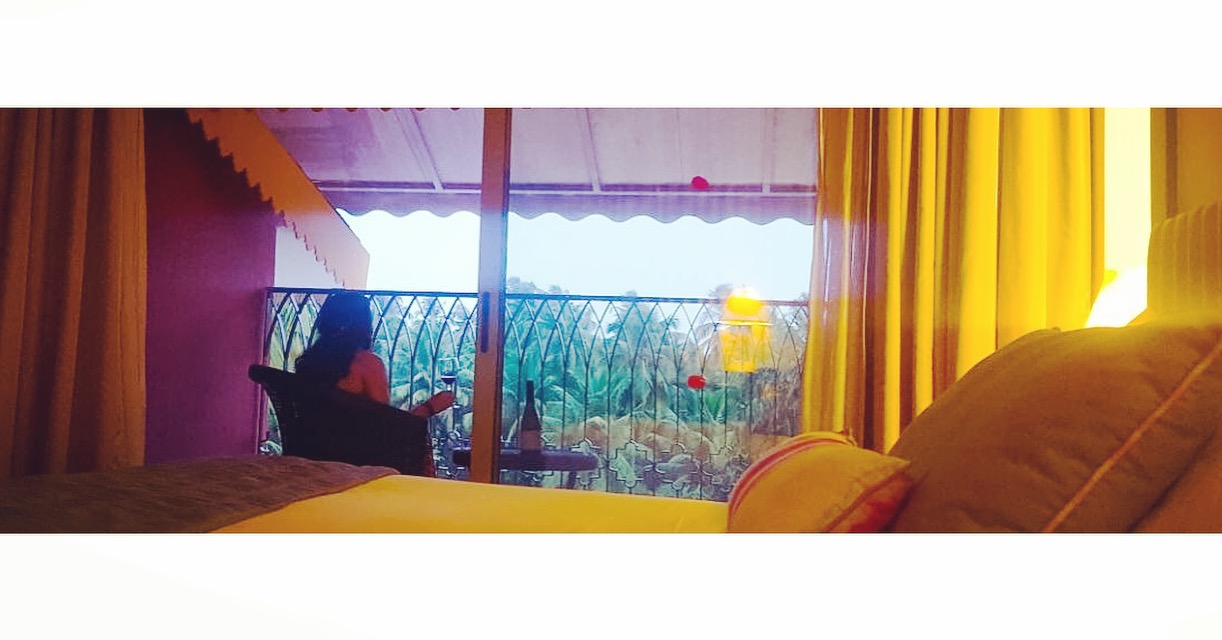
    IMG_0832As I packed my bags for a trip to Goa during this monsoon season, I wondered why this popular beach destination never featured in my monsoon getaway list before. However, experiencing Goa’s natural green environment during monsoon was breathtaking. We picked the Novotel Goa Resort & Spa in Candolim for the weekend stay and returned extremely pleased with our experience.

    Here are the reasons why you should stay at the Novotel Goa Resort & Spa on that next trip to Goa.

    AMIDST NATURE

    Nestled in the by lanes of one of Goa’s most popular destinations Candolim, Novotel Resort & Spa welcomes you into the lap of nature with open arms. The natural surrounding is beautifully integrated with the architecture of the hotel.  During monsoon, the lush green fields in the hotel backyard and the countless coconut and banyan trees and a variety of ivies surrounding the hotel offer the perfect setting that would appeal to a nature lover.

    THE SUITE STAY 


    We stayed in a duplex suite that offered a good view from the 3rd floor. With balconies on both levels, a cozy bed on the upper level, the overall stay in the suite was a comfortable one. Though it was spacious enough for two of us, it could easily accommodate a small family.

    WARREN TRICOMI SALON & SPA

    Any holiday is incomplete without a spa session. Especially when it is a Warren Tricomi Spa, you must spare some time to go on a prolonged spa session. My favourite part of the stay was the hour-long rejuvenating spa session at the Warren Tricomi Spa. The well-known franchise of the New York based Warren Tricomi, it offers great services starting from just salon services to the sauna, and Jacuzzi and the Turkish hammam style heated stone bed for a very relaxing exfoliating scrub session. For couples looking for a more romantic spa session, there’s also a kokum butter honey wrapped spa. Sounds exquisite, isn’t it!

    FOOD & DRINKS

    As I was in the mood for a staycation, we decided to spend a day just relaxing and lazing around in the hotel. Which also meant that from breakfast to dinner I got to try the food at The Food Exchange. It is the only functional restaurant at the moment because of which during busy hours the place gets a bit crowded. However, in terms of food and service, I will give full marks to the chef and the hotel staff. Especially if you are someone who wants to try out the local cuisine when traveling, The Food Exchange is a perfect place to have the authentic rawas fish fry, goan fish curry, pork sausages, and vindaloo with Poe bread. And for drinks head to the lobby lounge bar called Chy. The bar not only serves most of the premium Indian and imported spirits, it also has a great collection of the local drink Fenni and liqueurs. If alcohol isn’t your thing you could opt for the exotic teas from the tea menu.

    SWIMMING POOL & GYM 


    IMG_0335

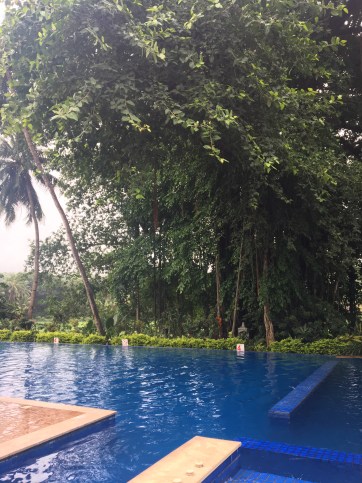
    To save you from that guilt of too much of indulgence, the hotel offers you a swimming pool, which is so inviting that you would forget that afternoon siesta. The infinity pool overlooking the lush green fields offer tranquility. And, if you don’t want to miss out on that gym session, head to the fully equipped modern in-house gym.

    PROXIMITY TO THE BEACH 

    Bored of staying indoors. Well, the hotel has a private seaside restaurant called La Brise on Candolim beach. You could rent a cab or a bike just outside the hotel or avail the hotel’s free shuttle service, head to the beach and relax at the restaurant. Or visit the other popular beaches nearby such as Baga and Calangute.

    We wanted to take long bike rides hence, ventured out almost every day to all our favourite hang out spots, sometimes soaked in rain but most of the times just soaking in the scenic view of the mountains, green pastures, and the restless sea. Goa is spectacular during monsoon.

  • Wine Explorers – How To Embark On The World’s Best Road Trip!

    Some stories have so much passion, adventure, and enthusiasm that you ought to share them with the world. You never know whom it may inspire. This is the story of Jean-Baptiste Ancelot, who at the age of 28 decided to leave his hometown in the north of France to explore the wine world. He drew up a 4-year plan in 2015 to visit 92 wine producing countries in the world while meticulously cataloging each of his experiences on his website www.wine-explorers.net bearing in mind, “And what if the great wine terroirs had not yet all been discovered?” a question which has already taken him to 53 countries.


    This slideshow requires JavaScript.

    An excerpt from his interview with Drinks & Destinations.

    Jean-Baptiste: I will be glad if the Wine Explorers’ project – this crazy (wine) journey of 4 years travel around the world, visiting the 92 countries which actually made the “real wine world“, can inspire people. It is the loveliest compliment that we can ever get. Our motivation is simple. To wake up every day with stars in the eyes and a unique question in mind. What’s going to happen today? Every day is a new day and we are going to learn something new. So exciting! It could be frustrating at the same time, because the more I learn, the more I realise I don’t know anything about the wine world. It is infinite. However, I prefer saying to myself that it makes its beauty. Wine as a drink has something magical.

    I will always remember the day that my eyes lit up after tasting wine for the first time. I was 22, living in my home town in the north of France (where no vines grow). I was invited to a Jazz live event in a very small wine bar, I fell in love with the special atmosphere at that moment. The wine we enjoyed that evening at that bar was connecting people from many horizons and I was amazed by that. Coming back home late in the night, I literally searched for “wine jobs“ on the internet. I wanted to know more about it and see if I could apply for any of those jobs. But the list of jobs in wine is infinite! And I felt lost. So I decided to apply for a wine education in Bordeaux (not very original but super efficient) and did a Master degree and an MBA in the wine business. It was so interesting! I did my internships in Switzerland, Hong Kong, and New York at the time, in order to open my mind to some of the most important wine business places in the world. But I wanted more. My dream was to discover the wine world with my own eyes. So I researched for 6 years, found out that the “real“ wine world in the 21st century was made of (almost) 92 wine producing countries and decided that the only way to pursue this passion was to visit all of them.

    This is how the Wine Explorers’ project started. A 4-year exploration of the wine planet, with a unique question in mind, “what if the great wine terroirs had not all been discovered yet?”

    D & D: Has this ever been attempted before or you are the first one to do this?

    Jean-Baptiste: According to all testimonies we have received from the great wine people we met during this journey (journalists, bloggers, MW, MS, winemakers, viticulturists, buyers…), they all agree that Wine Explorers is the first and only global wine inventory ever made in the history of wine. So it is our duty to share our discoveries and to make the information accessible to everybody. That is the reason why we publish articles in both English and French for every country traveled. We have a simple motto, “To be as serious as we can, but never taking ourselves seriously”. Wine must stay FUN and ACCESSIBLE.

    D & D: The financial aspect of this entire project seems like a big challenge. How did you manage to work this out?

    Jean-Baptiste: We found sponsors (Though I prefer calling them partners) who completely understood and shared our vision of exploring the wine world, going off the beaten path, looking for new discoveries. However, I must admit that they are only a few (at the moment), and I deeply thank all of them for their fantastic support. More details about our partners are on our website.

    D & D: Was there ever a moment when you felt that you have risked too much to pursue this passion?

    Jean-Baptiste: Very good question. I’m human after all and I often have moments of doubt. Am I doing the project correctly? Am I sharing the right information? Etc. But I have never felt that I have risked too much. Because there is no risk. In the worst case scenario, I’ll just stop traveling, go back home and learn from all the innumerable things that happened to me during this project. In fact, I’m thankful every day.

    D & D: What’s your most memorable experience in any wine region that will stay with you forever?

    Jean-Baptiste: We had an unforgettable experience in Ethiopia. We had to wait for 3 days in front of the gate of one of the two Ethiopian wineries. It was a moment that was strange and stressful. After traveling for 2 days through some difficult terrains when we finally reached Rift Valley winery we were stopped at the gate. And we had no idea why was it so complicated for us to get an access. In fact, the people at the gate started checking our records and read everything we had already published on our website. Finally, when we were invited inside we received red carpet welcome. With some feedback, this is one of my favourite memories.

    D & D: Which is your favourite wine region from your visits so far and why?

    Jean-Baptiste: It is hard to choose one. So many of them are unforgettable and unique. There were many regions which inspired me with their indigenous grape varieties, stunning landscapes and extraordinary global emotion. Here are a few of them. The Valle of Guadalupe in Mexico for its super-dry wine production area, full of life and energy. The Okanagan Valley in Canada, for its wild and lovely wine scene. And the Dalmatia in Croatia, for its incredible diversity in terms of autochtone grape variety.

    D & D: How was your experience of visiting wineries in India?

    Jean-Baptiste: India intrigues me now more than ever. In a country five times bigger than France, whose cultural diversity, landscapes, gastronomy, climate, and language change on average every 100km, I know I will have to come back to discover and enjoy more of it, visiting other regions and other wineries. Despite all the challenges that the Indian wine industry is facing, the enthusiasm of the wineries visited is palpable and pleasing to see. And although it seems that globally the climate is more suitable for white wines, the quality is there and some Indian cuvées frankly deserve to be highlighted in all colors, sparkling wines included. Five delicious Indian wines discovered and which I highly recommend are Insignia 2015, from Grover Zampa (“Coup de cœur Wine Explorers“), Sparkling Cuvée NM from York Winery, Réserve Collection Viognier 2015 from Grover-Zampa Vineyards, Sauvignon blanc 2016 from York Winery and Dindori Réserve Viognier 2016 from Sula Vineyards.

    D & D: Are you cataloging these experiences for a possible book in the future?

    Jean-Baptiste: At the moment, we are halfway through the Wine Explorers’ project, with 53 countries (so far we have explored more than 100 wine regions in 53 countries, visited 340 wineries and tasted more than 3,500 wines) all in 2.5 years of travels. (Cyprus was n°50 a few weeks ago!). It should end in October 2018. Then, many projects are planned, which is also very exciting! The “after“ project will result in books, documentaries, creation of wine bars, an online website with information, videos and possibility of enjoying wine bottles we discovered. Consulting and conferences are also a big focus, in order to share and exchange about the wine world. Our first important conference will be in June 2018 IMW Symposium (Institute of Masters of Wine Symposium), to be held in Logrono, Spain where I will be a speaker offering an introduction about new terroirs from the world.

    D & D : What would be your advice to someone who wants to follow in your footsteps?

    Jean-Baptiste: Please go ahead! Save some money. Take a break from your studies (or life). Travel. Meet people. Step into a vineyard. This is the only way to open your mind and to better understand what goes behind making that bottle of wine. And above all, on this journey, you are guaranteed to meet some of the best people in the world.

    (The interviewer, Rojita Tiwari had a rendezvous with Jean-Baptiste in India during his endeavour to explore Indian wineries and has been following his journey ever since. You can follow his journey on http://www.wine-explorers.net)

  • This slideshow requires JavaScript.

    If you want to spend your vacations differently and get a new, unique breath of your relaxation time then we recommend you to choose a destination that takes you to one of the best international wine festivals, if you are a wine lover, of course, and can feel and appreciate the real taste of a good wine. What else can leave you more satisfied with your trip and full of happy emotions than a long tasting of a variety of different wines from a wide range of winemaking companies!

    Other than that at wine festivals, you can take part in a great variety of festivities.  Depending on the country you are in you will find out a lot about its customs and traditions and for a moment be able to be an integral part of it. And last but not least you will make new international friends.

    For all the wine lovers of the world who can’t decide which wine festival to choose among the great amount of them, we are here to help you! We have singled the top 5 of the world’s most famous, interesting and unique international wine festivals that are surely worth a visit.

    Here we go!

    1. Colchagua Wine Festival, Chile

    Get off the beaten track and choose the best wine festival in Chile. Colchagua wine festival takes place every year around March and April in Chile. All wine-producing towns organize wine festivals around the country thus getting the attention of both locals and tourists. For a complete experience it is advised to visit Colchagua Valley after which the festival is named.

    However, the center of the festival is considered to be the main plaza of Santa Cruz. Here you will not only be able to taste the best wine but also see demonstrations of traditional games and music by the locals. One of the most entertaining events during the festival is the Grape Harvest Queen contest. Don’t forget to tour around the wine cellars of the region as this is a great chance to directly learn about the making and production of Chilean best wines.

    1. Boston Wine Expo, USA

    Boston Wine Expo is considered to be the largest wine festival in America. It comes with 1800 different wine tastings from over 300 international wineries. You can also attend wine tasting seminars in order to expand your knowledge and understanding of the best wines. One of such seminars is called “Everything You Need to Know about Wine” – sounds exactly what a wine lover would like to attend, right?

    Among all other festivities, you can be present at the Grand Tasting during which celebrity chefs prepare and share meals, such as drunken shrimp and many other well-known dishes. And eventually, as a true wine lover you should attend the so called winemaker meet-and-greet where you can show your appreciation to the creators of your favourite wines as well as try to get some secrets about winemaking from them.

    1. Haro Wine Festival, Spain

    Spain is one of the countries associated with the best wine and numerous fun and interesting festivities. Where else to spend active and entertaining vacations if not in Spain surrounded by passionate Spanish people, dances and concerts.

    Haro wine festival takes place in Rioja and starts early in the morning, more precisely you need to wake up at 7 a.m. to experience the festival to its fullest. The festive morning starts with the mayor leading a huge parade consisting of hundreds of people all of whom carry jugs filled with wine. Don’t forget to dress in white. After a ceremonial and official mass, the wine gets thrown, poured, spilled and sprayed until every single person’s white dress has become purple or red. In the afternoon the “wine war” ends and you can start the peaceful tasting of wines – the core of every wine festival. As the sun sets more wine appears and there is also a ceremonial bullfight carried out by young men who want to show off their skills. All this crazy wine “throwing” and drinking is compensated for by the beautiful and peaceful scenery of La Rioja.

    1. Bordeaux Fête le Vin, France

    Well, another country associated with the best wines of the world is, by no doubt, France. The Bordeaux Fête le Vin is a prominent French wine festival that is known for its 2-kilometer “Wine Road” running along the Garonne river. Here you can taste the best wines made in the most famous wineries from the region. During the festival lots of wine workshops, outdoor reading rooms and concerts are organized as well.

    The festival is carried out every two years in June. Don’t miss the chance of enjoying the romantic French environment with a glass of good wine!

    1. Grape Harvest Festival, Argentina

    Another unique place where the enjoyment of wine can be mixed with the exotic and beautiful culture of Argentina. The motherland of tango invites all wine lovers to its Grape Harvest Festival to enjoy the best wines and simply have a nice time. The festival is carried out in Mendoza which is considered to be the country’s well-known wine producing region. The festival has a 75-year history already and boasts a great popularity among locals and foreigners.

    You can take part in wine tastings that are held in vineyards as well as be a part of the festive parades and parties. The festival begins with the crowning of a festival queen after which the organizers of the festival manage the mass prayer meant for invoking the patron saint of vineyards.

    This Argentine wine festival is held in March and lasts for about a week. The closing ceremony is very interesting too – a pageant is held in a Greek-style amphitheater where actors and dancers show the story of the annual grape harvest.

    All these wine festivals are surely worth a visit, especially for wine lovers. You’ll enjoy each of them differently – the best wines of the world and the experience of new cultures – what else does a wine lover need for a perfect vacation?

    (In partnership with http://www.reviewsbee.com


  • Let me make this clear. I’m not exactly a foodie. Certainly not one when it comes to cooking. But I do have a keen palate and appreciation for flavours in good food. And, no one knows that better than my mother who had to bear the brunt of my fussy eating habits for a long time. I began to value her cooking, during my post graduation years, which I spent in Bangalore and Pune. The big realization happened only after I almost starved myself to death while battling it out with the canteen food in college.

    Besides the occasional treats at Udipi restaurants in Bangalore and the weekend indulgences at popular hangout places in Pune, most of the time it was the boring and mindless eating that took a toll on the taste buds. Thankfully it didn’t last too long!

    I am an Oriya (or should I say Odia) by birth. My father is from the southern part of Orissa called Brahmapur and mother from the northwestern part, Sambalpur. And from high school till end of college years I lived in the heart of the state- one of the twin cities, Cuttack. The reason for this description of origin is to offer you an insight into the food fusion I have experienced in early years of my life, which made me, well, ‘chintzy’.

     My father’s job took us to a new place in the state every few years, so my palate never got used to any particular kind of food. I most certainly got confused. The food in every part of Orissa is so different from one another that my young mind couldn’t cope with my mother’s tryouts in the kitchen.

     Just when I was beginning to appreciate the Andhra inspired ‘Charu Paani (spicy rasam), sambhar, Idli, dosa, suji upma served with a gravy’ kind of cooking in Brahmapur (a city in Ganjam district which is close to Andhra Pradesh), we moved to a town near my maternal grand mother (Naani)’s home in Sambalpur district. Next 6 years, which comprised of a major part of my growing up years, was spent in the comfort of my Naani’s house specially holidays and summer vacations. Somehow, her food habits influenced mine too.

     I don’t have much memory of the first 5-6 years of my existence, which was in Brahmapur, except that of the ‘daal’ cooked by one of my chaachis (aunt). The smell of the turmeric laden ‘daal’, was pretty much all I can remember of the food that she cooked. Where as being close to my Nanni’s home kind of structured the taste buds.

    To understand Oriya cuisine better, you have to understand its geography. In my context, all three cities that I spent 20 years of my life have some influence from the neighbouring states. Andhra Pradesh influences southern Orissa; Chhattisgarh has significant influence on several dishes prepared in a Sambulpur household or vice versa and the food from Cuttack certainly has similarities with Bengali cuisine. After all, until 1936, Bihar, Orissa and West Bengal were one state.

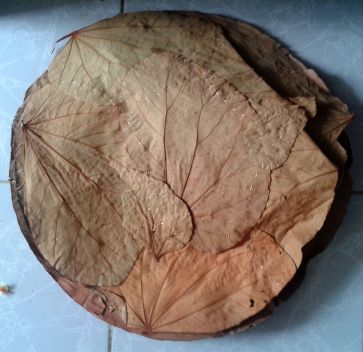
    Coming back to my ‘Naani’, we weren’t quite fond of each other back in those days, obviously, because she took me as the sole troublemaker in her daughter’s (my mother’s) otherwise peaceful life. While all my sisters were her favourites, I was the notorious one, throwing a fit every time we sat down for a meal. But my frequent visits to her house and my mother’s proximity to her own family even shaped her cooking skills. ‘Naani’ may not agree but I think I get that fussiness from her. Why? Because I remember how she liked her ‘aambil’ (a kind of kadhi prepared with vegetables and loaded with pure ghee with garnish of green chili and coriander). So much so that she would actually carry some green chilies to the village feasts at times so that she could adjust the taste of her favourite ‘aambil’ herself if needed. That was the time when the food at the family functions was served on Khali patra (plates made of the dried banyan leaves often hand stitched, somewhat round). That made the whole eating experience extraordinary. And, so was eating from copper plates and bowls at home. My Naani is around 85 yrs. old right now, hale and hearty and I wonder if she still carries her own stash of green chilies to the banquets.


    Vistaraku_(An_Indian_eating_plate)_made_with_broad_dried_leaves_02
    The hand-stitched leaf plate used for serving food during functions in Western Orissa.


    By the time we moved to Cuttack, my mother had become an expert on all sorts of cooking. Except that she could never perfect the art of making ‘roti’ (chapattis). Odias are not exactly ‘roti’ eaters, you see. In fact, just the other day, I had an argument with my husband about the states in India that are considered as the ‘Rice Bowl’ of the country owing primarily to the quantity of rice production. While I argued that it is mostly, Chhattisgarh (the state that he comes from), Orissa, Andhra Pradesh and West Bengal, he maintained that it is just Chhattisgarh. He might have been right. But by practice I believe I wasn’t wrong.

    I began to like the food at home when my mother started making Tomato khatta, (kind of chutney made of tomato, dates and paanch phodan), Kaasa Mansa (Mutton Kosha) and Baigan Bhaja (Baigon Bhaja in Bengali which is round cut Brinjal coated with masalas and rice flour and fried in mustard oil) and also Dahi Baigan (Brinjal and curd preparation). A lot of that transition in the kitchen took place because of my father. Though he was from southern Orissa; years of travel had inured his taste buds to enjoy all sorts of culinary adventures. And, one thing he never stopped doing was getting bag full of vegetables to the house, which occurred almost every alternative day. That made me develop taste for every vegetable available in the market. By the time I was ready to leave home for further studies, I had deeply fallen in love with my mother’s cooking and every food item that she made at home.

    Anyway, Cuttack was the place that pretty much summarized my Oriya food sojourn. The street foods of Cuttack could give any other city street food in the country a run for its money.

    I only get to eat the authentic Oriya food occasionally, mostly when I visit my hometown, when I over indulge myself with my mother’s cooked food and the street food (the famous Cuttack mutton chop, dahi baara aloo dum, ghoogni, gup chup) and sweets such as Rasogola from Pahala, Chena Jhilli and Chena Poda. Where I relive my teenage years, Cuttack, the city where I actually fell in love with Oriya Cuisine.

     Trivia: Did you know that the age-old fight, ‘Whose Rosogola is it’, has been resolved? It has been proved that the delicious mouth watering sweet dish actually originated in Orissa and not Bengal.

  • Negroni Week is an initiative by Campari and Imbibe magazine which aims to celebrate one of the world’s great cocktails and in the process raising money for charitable causes around the world. The concept introduced in India in 2015 has gained immense popularity since then. Aspri Spirits, the importer of Campari, the Italian bitter, herbal, and aromatic drink has been able to place India as the second largest participant in Asia, and 14th in the world this year.

    As goes the idea behind this, to participate, each bar signs up at http://www.negroniweek.com, chooses from the list of recommended charities, and makes an immediate donation to that charity. They can also return during and after Negroni Week to make additional donations to their chosen charity. After Negroni Week is complete, they tally the raised amount collectively by all the participating bars, restaurants and partners.

    Around 75 outlets across the country, Delhi-NCR region, Mumbai, Bangalore, Kolkata, Hyderabad, Pune and many other cities took part in this initiative. That’s not all, for the first time, the company partnered with a media platform- The Drinks & Destinations Podcast, as their offcial podcast partner for the week long celebration June 5-11. To add some flavour to this year’s event, Campari and Aspri Spirits associated with two renowned mixologists and two influencers (Yangdup Lama, Owner/Partner at Cocktails & Dreams, Speakeasy and Karina Aggarwal, Alcohol Blogger @Gigglewater411 along with mixologist and Owner Bartrender, Nitin Tewari and Rojita Tiwari of Drinks & Destinations). Their job was to create some exclusive Negroni cocktails by adding some twist to the classic recipe.

    Participating Bars for the Negroni Week were 153 Biere Street, Radio Bar, The Other Side, A Ta Maison, Paasha, Dome, The Gateway Hotels & Resorts, Paparazzi, Alto Vino, The Irish House, Speakeasy cocktails & dreams, Hoot, ITC Hotel, Rude Lounge, The Bombay Bronx, The Fisherman’s Wharf, Town Hall, PDA, Glocal, Social, Mr. Choy, Toast, Public Affair, Pings, Miami, Bar 41, Bootlegger, Big Brewsky, PCO, Harry’s Bar & Café and The Biere Club.

    Negroni_All outlets_coverpage-01

    Negroni week 2017 kick-started on 5th June with a preview event at Mumbai’s famous Razzberry Rhinoceros, an Iconic venue overlooking Arabian sea at the Juhu Beach.

    Here’s what a classic Negroni Recipe is :-

    Campari – 45 ml, Gin – 45 ml and Vermouth – 45 ml with Ice and slice of Orange peel as garnish.

    However, mixoligist Nitin Tewari dedicated his 3 Negroni variations to Rojita Tiwari and her work by redefining Drinks & Destinations and what she does. Here’s what their innovation was –

    CUTTING CHAI NEGRONI

    This twisted Negroni that’s combines India’s favourite local drinks Cutting Chai with globally known classic Negroni. Aged in Barrel to marry all the ingredients and create a magical mix.

    • 20 ml Bombay Sapphire Gin infused with Masala tea
    • 20 Campari
    • 20 ml Martini Rosso
    • Mixed and aged in Oak barrel for 7 days.
    • Method: Stirred
    • Glass: Rock Glass with Ice
    • Garnish: Orange zest and Spice

    CRAWFORD SOUR

    Each of the sour ingredients, sourced from the local Crawford market. This twist to classic Negroni is making Mumbaikar’s fall in love with this cocktail.

    • 20 ml each of Gin, Campari and Martini Rosso
    • 15 ml Lime
    • 10 ml Sugar syrup
    • 20 ml freshly squeezed orange juice
    • 10 ml Egg white
    • Method: Dry shake & normal shake
    • Glass: Sour Glass with ice
    • Garnish: Orange slice

    GOLA NEGRONI

    How a Gola brings all your favourite flavors and your childhood memories together, this Negroni Sorbet brings two of your favourite drinks Red wine sangria and Negroni with a fresh fruit twist.

    • 20 ml each of Gin, Campari and Martini Rosso
    • 60 ml Red wine Sangria made with fresh Mango, apple & orange.
    • Method: Turned into a sorbet using Liquid Nitrogen
    • Glass: Coupe Glass
    • Garnish: Chopped fruits

    IMG_9822

    (It was a great pleasure for me to be associated with the event this year as well as to be the official podcast partner. The Drinks & Destinations Podcast which is India’s only podcast on drinks and travel available on iTunes,Sound Cloud, Audio Boom and other podcast apps has released a special episode on Negroni Week. To listen to the podcast click on the link below.) 

The Only Feed You Need: Booze, Buzz & Beyond

Stay informed with curated content and the latest headlines, all delivered straight to your inbox. Subscribe now to stay ahead and never miss a beat!

Skip to content ↓