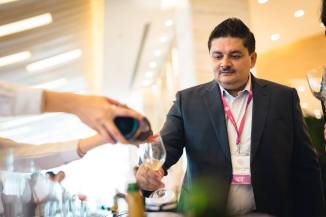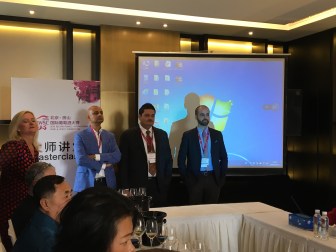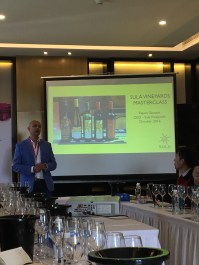
Rojita Tiwari wears many hats — and most of them come with a pour. A globetrotting drinks writer, sommelier, educator, consultant, and certified booze judge (yes, that’s a real job), she’s been stirring things up since 2006.
Founder of Drinks & Destinations, India’s go-to consultancy for all things wine, spirits, and strategy, Rojita has introduced Baijiu to India, helped launch a Whisky, and judges everything from wine to whisky, rum, gin, vodka, mezcal, baijiu to sake at top global competitions such as CMB and Spirits Selection. She’s bagged titles like Best Wine & Food Influencer (Wine Travel Awards 2023), Ambassador of the Industry Title and twice made it to the “Top Ten Women in Wine in India” list — cheers to that! She is also the only certified International Ambassador of Moutai Flavour Baijius in India.
You’ll find her words in Drinks International, Whisky & More, Rumporter, Mint Lounge, Spiritz, Sommelier India and more.
Want to raise a glass or a campaign?
Reach her @drinksanddestinations or email drinksanddestinations@gmail.com.
Cheers!
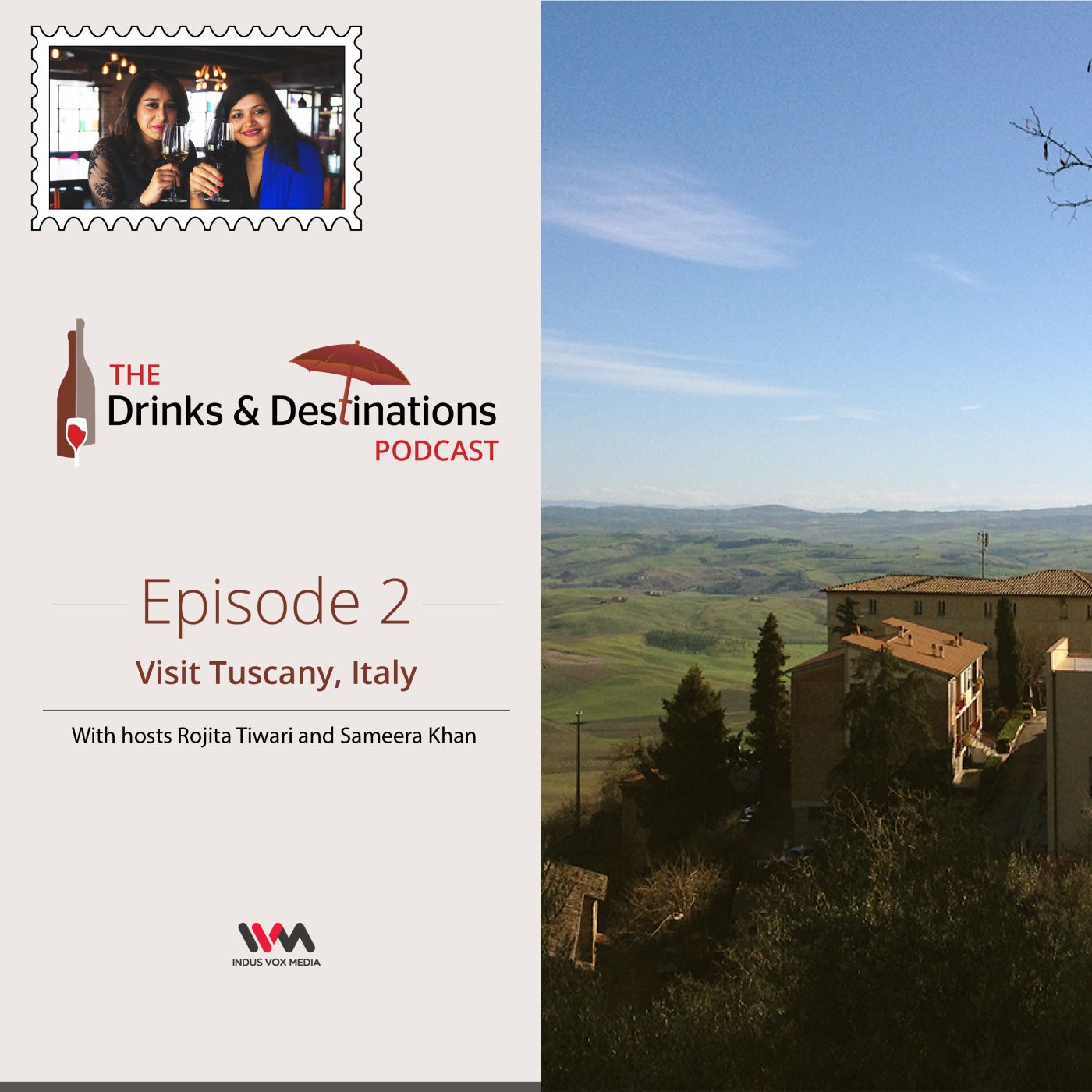
The Drinks & Destinations Podcast is an extension of the venture Drinks & Destinations founded by Rojita Tiwari. The weekly podcast is co-produced by India’s largest podcasting network IVM and hosted by Rojita and Sameera.
Episode 1 of The Drinks & Destinations Podcast is your introduction to the world of fine wine and travel and what you can look forward to in the future of this show. On today’s episode hosts, Rojita & Sameera take you through how to taste a glass of wine and easy ways to pair it with food. Our first guest is Cecilia Oldne, Global Brand Ambassador of Sula Vineyards. She shares her journey in India, market evolutions, Sula fest and her long tenure with India’s leading wine company.
The podcast is also available on iTunes , Sound Cloud, and podcast apps on android phones.
Please send your feedbacks or suggestions on drinksanddestinations@gmail.com.
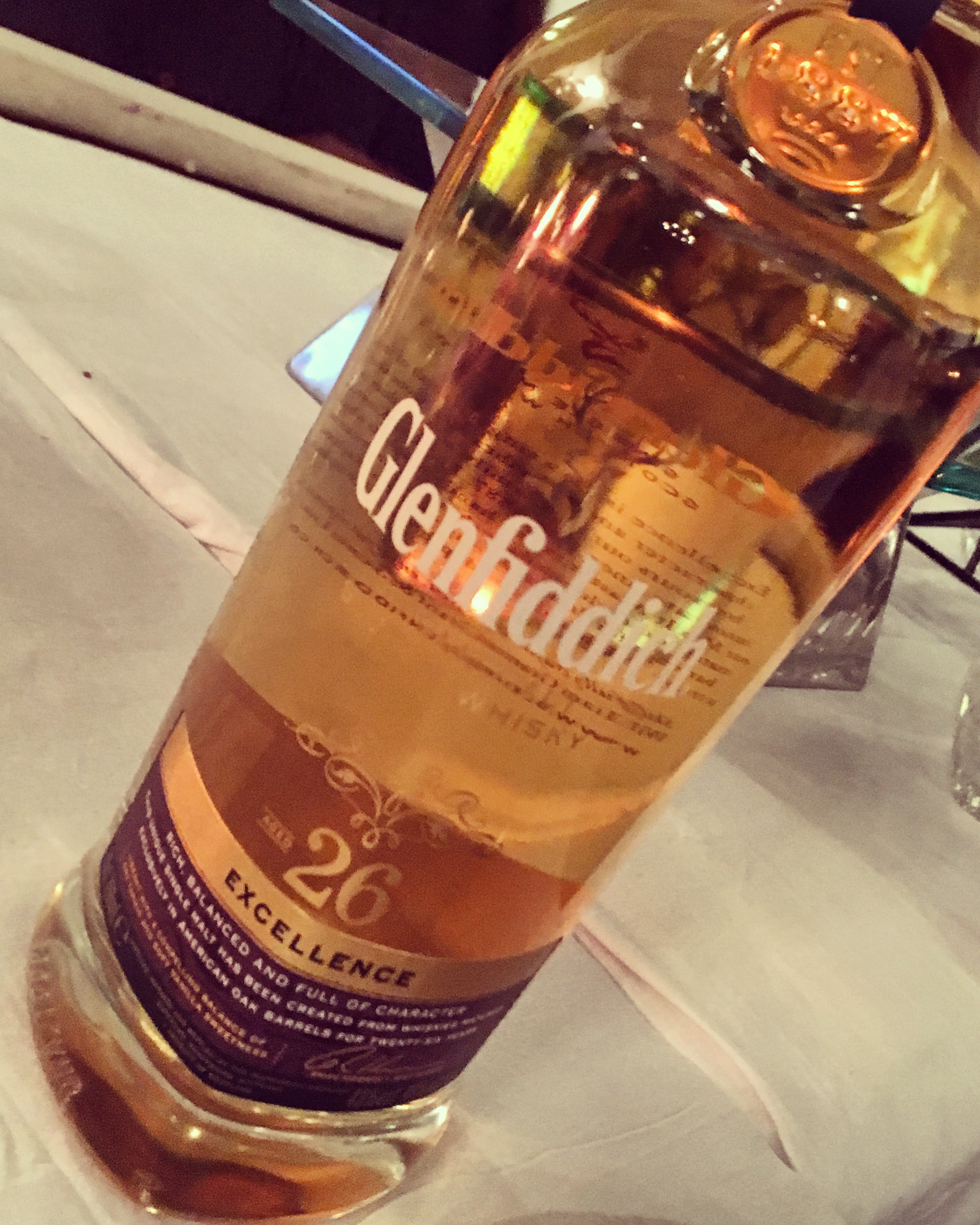
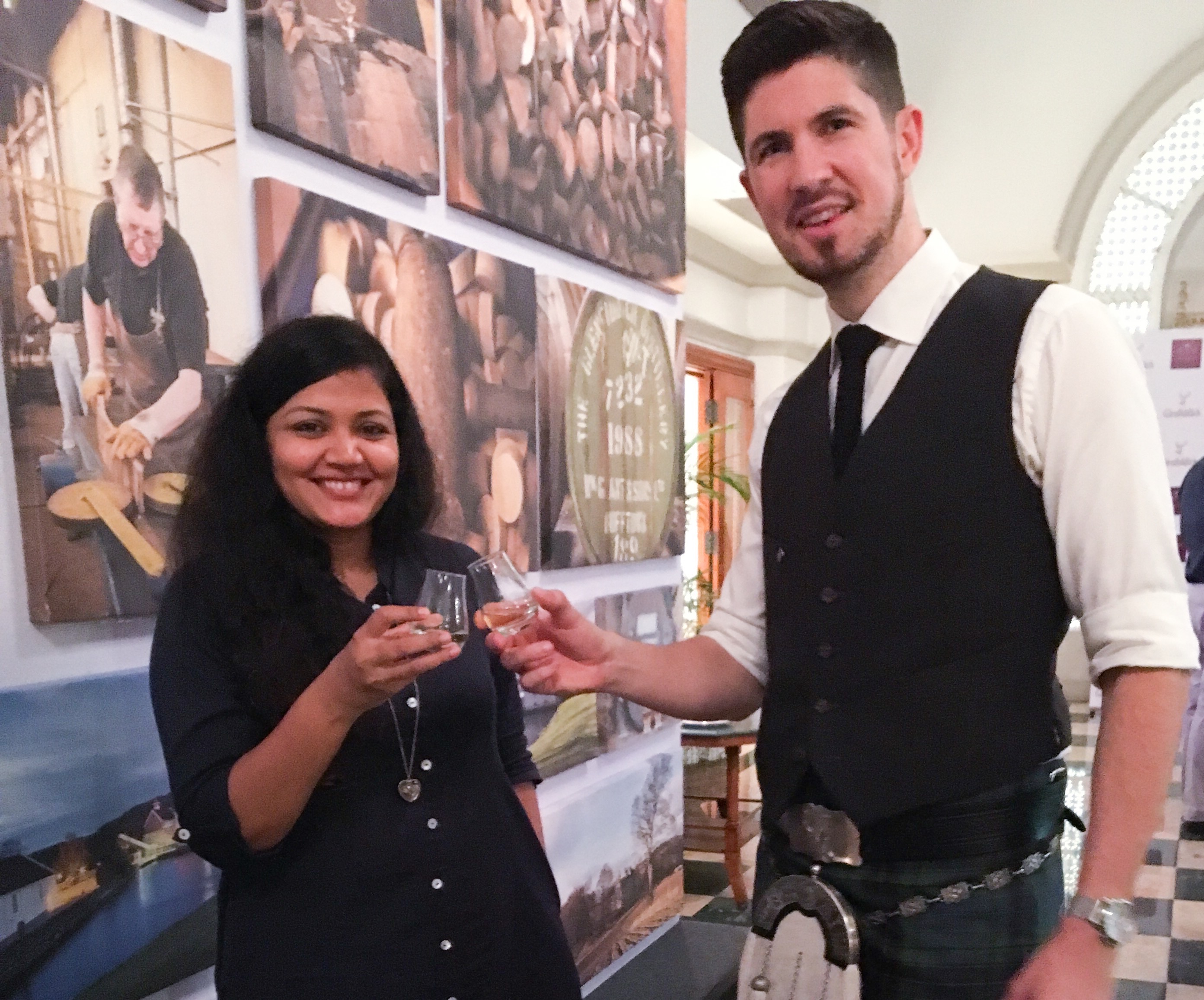
Glenfiddich single malt brand owned by the whisky company William Grant & Sons recently introduced its 26 YO expression in India. The launch event which took place in Mumbai followed by other metros in India also marked the visit of the newly appointed Glenfiddich global brand ambassador, Struan Grant Ralph.
Ralph has worked as the Glenfiddich brand ambassador for the Asia-Pacific market for two years and then the American market for a further three years before taking up the job as the global brand ambassador this July.
Besides India, Glenfiddich Excellence 26 YO is also available in the American market, the UK and China. It is also the only 26 YO single malt available in India at the moment.
With 43% abv, it is a rare and aged single malt Scotch whisky that has spent 26 long years of maturing in American Oak ex-bourbon casks. It has intense notes of deep oak, brown sugar, hint of vanilla and caramel and exotic spices. This expression was created to honour Glenfiddich’s line of continuous family ownership since William Grant founded the distillery in 1887.
Sula Selections, the import division of the wine company Sula Vineyards is also the distributor of William Grant & Sons products including Glenfiddich range in India. The Sula officials have confirmed that the expression is priced at around Rs.45,000 in the Indian market.
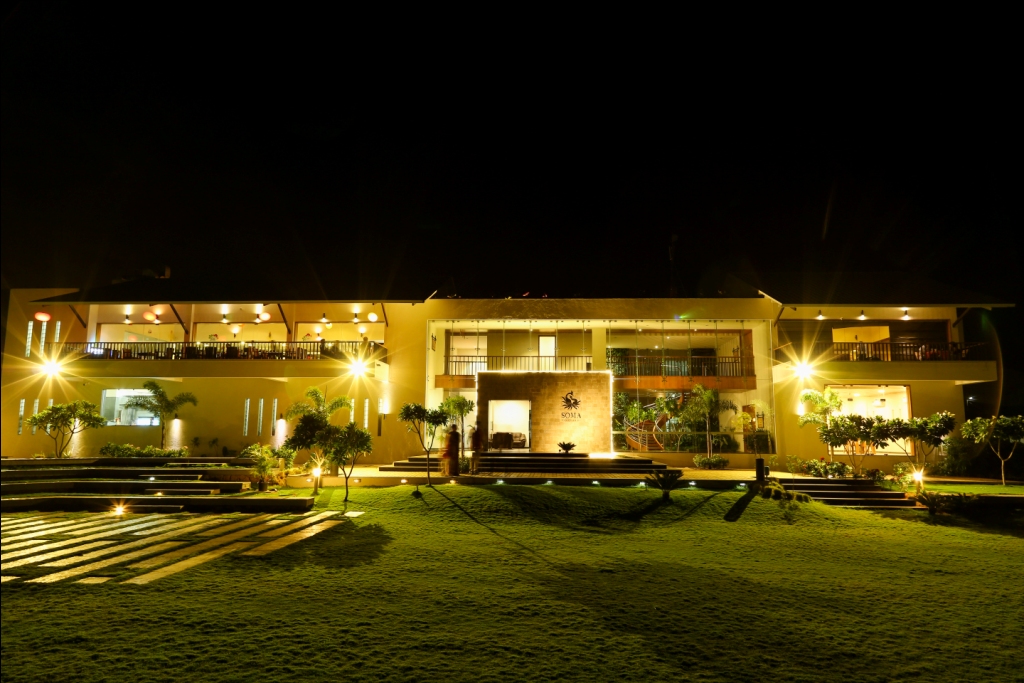
Located just 12 km away from Nashik city in Maharashtra, Soma Vineyard Resort offers one of the best views of the backwaters of Gangapur Dam and the scenic Sahyadri mountain range. For a nature lover, wine enthusiast or a regular traveler, the resort serves as a great weekend getaway.
The turn from the main road leading towards Soma Vine Village carries signs of a potential zone for wine tourism. Reminding me of the designated wine roads of Santorini in Greece that promote a number of wineries located in the same stretch. It usually means that the wineries have agreed to collectively work towards promoting the wines and the region. And, the tourists could enjoy the best of all. In India, it still seems like a far-fetched idea. However, it is a rare coincidence that Sula Vineyards, York Winery, and Soma Vine Village are located just a few meters away from each other. That’s making this stretch of road a rare hotbed of tourist attractions.
As our car enters the driveway into Soma Vineyard Resort I am surprised to see a big crowd at the reception, there are more people outside the entrance. The resort is buzzing with tourists on a Saturday afternoon. The General Manager of the property informs me that it’s just a few weeks since Beyond is functional under Soma’s resort facility (earlier Sula had it on lease from Soma owners) and they are running full, hence the management is still coping with a heavy tourist season traffic.
Pradeep Pachpatil, Chairman and Managing director of Soma Vine Village, planted the vines after buying some land in the outskirts of Nashik in the year 2006. He also built a 3bhk villa amidst the vineyard. Beyond Vineyard Resort took shape in 2010 and was offered on lease to Sula until June 2016. The first vintage of Soma was released in January 2014. However, the vineyard resort was open for public visits and stay from the beginning. Spread over 25 acres with 47 rooms the resort is a perfect location to unwind. The resort overlooks lush green mountains terrains and is surrounded by vineyards.
Pradeep Pachpatil
The portfolio of Soma Vine Village
The property holds 2 luxurious villas (7-bed room each) with private pool and kitchen. Soma Vine Village has three restaurants; Suffiana, a multi cuisine restaurant, Sensation vine lounge which has a perfect view of the vineyards and Vintage- Rotisserie, grill & wine bar serving grills and roasts from kitchens around the world along with appetizers, soups, bouches, and canapés.
Rojita Tiwari at Suffiana restaurant
Sunset view from Soma Vineyards
For the adventure seeker in you, Soma also has an adventure sports center called Zonkers, which offers, archeries, go karting, aerial rope slide and lot more.
Speaking about his plan, Pachpatil says, “though my aim is to produce good quality, affordable and drinkable wines suited for the Indian palate, promoting wine tourism is the key factor which will drive our company’s future growth path”.
The small winery adjacent to the resort produces a range of wines such as Chenin Blanc (dry and off-dry), Sauvignon Blanc (dry and off-dry), Zinfandel, Shiraz, Cabernet Sauvignon, a blend of Cab-sauv and shiraz, a shiraz rose, late harvest chenin blanc and sauvignon blanc (the only one in India to produce a late harvest of SB). I also tasted a very impressive sparkling wine (zero-dosage), produced in a traditional method.
While all of Soma’s 100-acre vineyard land surrounds the property, the company hasn’t yet had the need to buy grapes from outside.
Interestingly, around 70-80% of the sales of Soma wines are from the winery itself. As we finish our tasting I notice a group of visitors buying cases of the dessert wines. Pachpatil says, “Our 2014 vintage of the late harvest is completely sold out. There is also a big demand for the zinfandel sweet rose.” With 47 gm. of residual sugar I found the late harvest sauvignon Blanc quite impressive. Though the red wines are yet to get the kind of structure and complexity, the yet to be bottled reserve cab-sauv and Shiraz shows potential.
Pradeep Pachpatil’s 26 yrs journey from being a farmer, viticulturist, winemaker to a wine producer now venturing into the hospitality segment, it all seem like a natural progression.
While many Indian wine producers are still working out the formulas to keep themselves afloat or find a way to make their business a successful venture, the sheer number of visitors at Soma Vineyard Resort (last year more than 10,000 visitors visited soma’s tasting room) indicates that at least Pachpatil has managed to find a perfect solution to this problem. And his vision is to make Soma Vine Village the perfect model of wine tourism in India.
A french style chateau, acres of vineyards surrounding it, bike riding and the chance of embarking on a nature trail, the home of Four Seasons Wines is all that and much more. Located in the village of Roti, just a little over an hour drive from the city of Pune, in the district of Baramati, Maharashtra, the winery provides you the perfect ‘grape’ escape.
Wine tourism is picking up in the country with more and more wineries now opening their doors to the public. Four Seasons Winery, established in the year 2006, opened its doors to visitors just year back. The winery is set amidst 50 acres of vineyards and guarded by three adorable Dobermans, Lucy, Caesar and their son Max.
The winery is designed by Indian architect, Navzer Irani offering a good mix of classic charm, elegance, and sophistication. Rustic details such as a grand, winding wooden staircase give a nice welcoming view from the reception. The upper level houses the tasting and the dining rooms as well as the residential rooms and suites.
All 4 suites overlook the vineyards while the 10 rooms open on an internal landscape courtyard. A large party deck overlooking the vineyards, a restaurant, swimming pool and a tasting room, the winery is well equipped to offer the guests a great time.
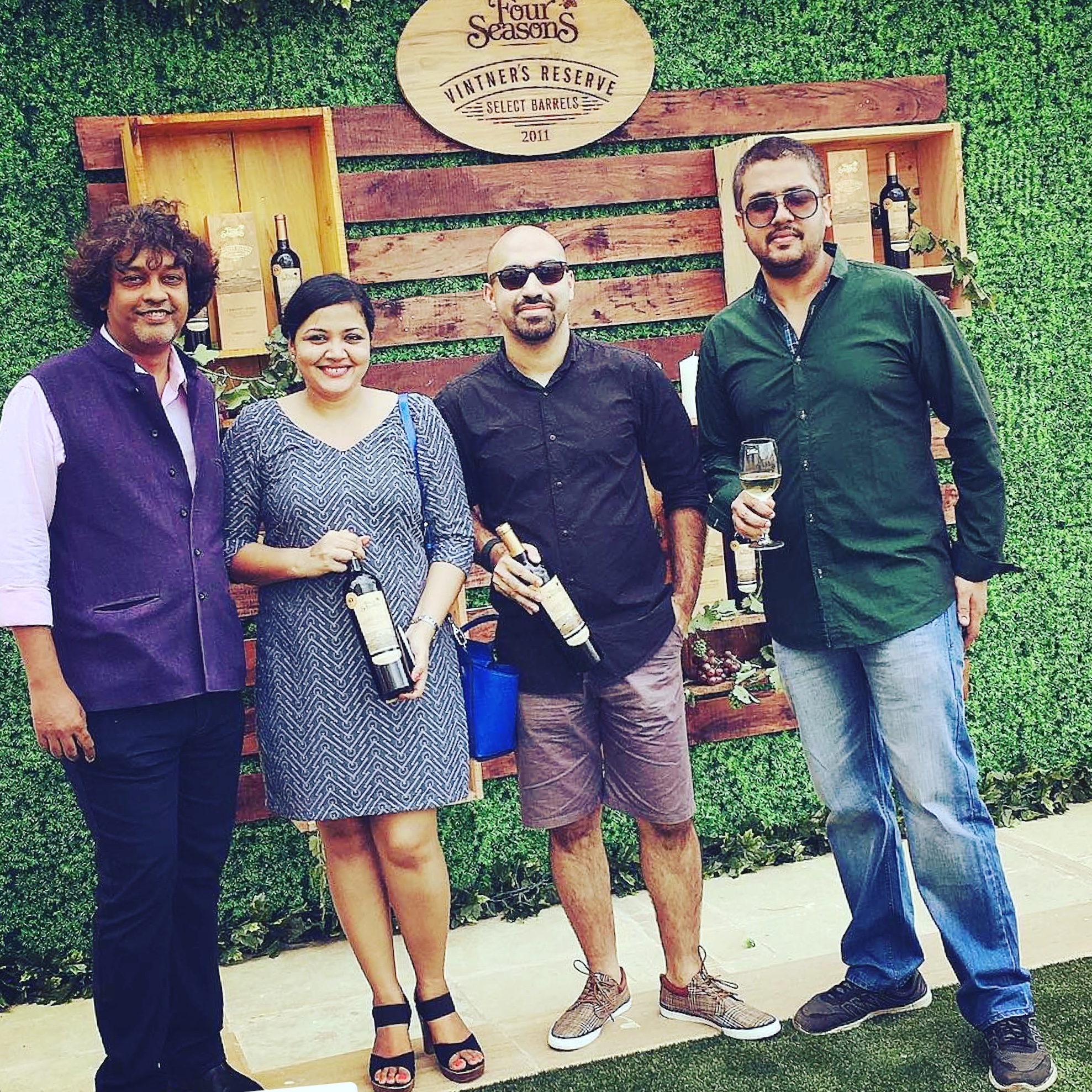
Drinks & Destinations along with few other writers and bloggers was recently invited to the winery to attend the launch of the new wine label by Four Seasons Wines, The Vintner’s Reserve. This is also the first label to come out of the wine division post-Four Seasons Wines Pvt Ltd. the subsidiary company of United Spirits Limited got acquired by global liquor giant Diageo Group.
While the existing, Four Seasons Barrique Reserve is still touted as one of the best reserve wines in the country, the Vinter’s Reserve goes further to become the most aged red wine in India at the moment. With 24 months in barrel and 24 months in the bottle, the wine comes close to the styles of Amarone, sweet spices on the nose and nice complexity. The wine a blend of cabernet sauvignon and shiraz though needs almost an hour of decanting, it’s worth the wait.
Abhay Kewadkar, Director & Chief Winemaker of Four Seasons Wines said, “ The Company is all set to roll out few interesting new wines by the end of this year. Besides the newly launched Vintner’s Reserve Select Barrels 2011, there is also a sparkling wine launch in the pipeline. We have plans to promote the winery and The Four Seasons Chateau as an ultimate wine tourism destination. The place has been open to public since a year.”
Only 1200 bottles of this wine are produced and will be released in markets such as Bangalore, Pune, Mumbai, Kolkata, and Arunachal Pradesh & Andaman & Nicobar Island. At present, the winery produces 11 labels of Four Seasons wines and the range of Ritu wines which are only reserved for the export markets.
To know more about the winery visit and tour packages click here.
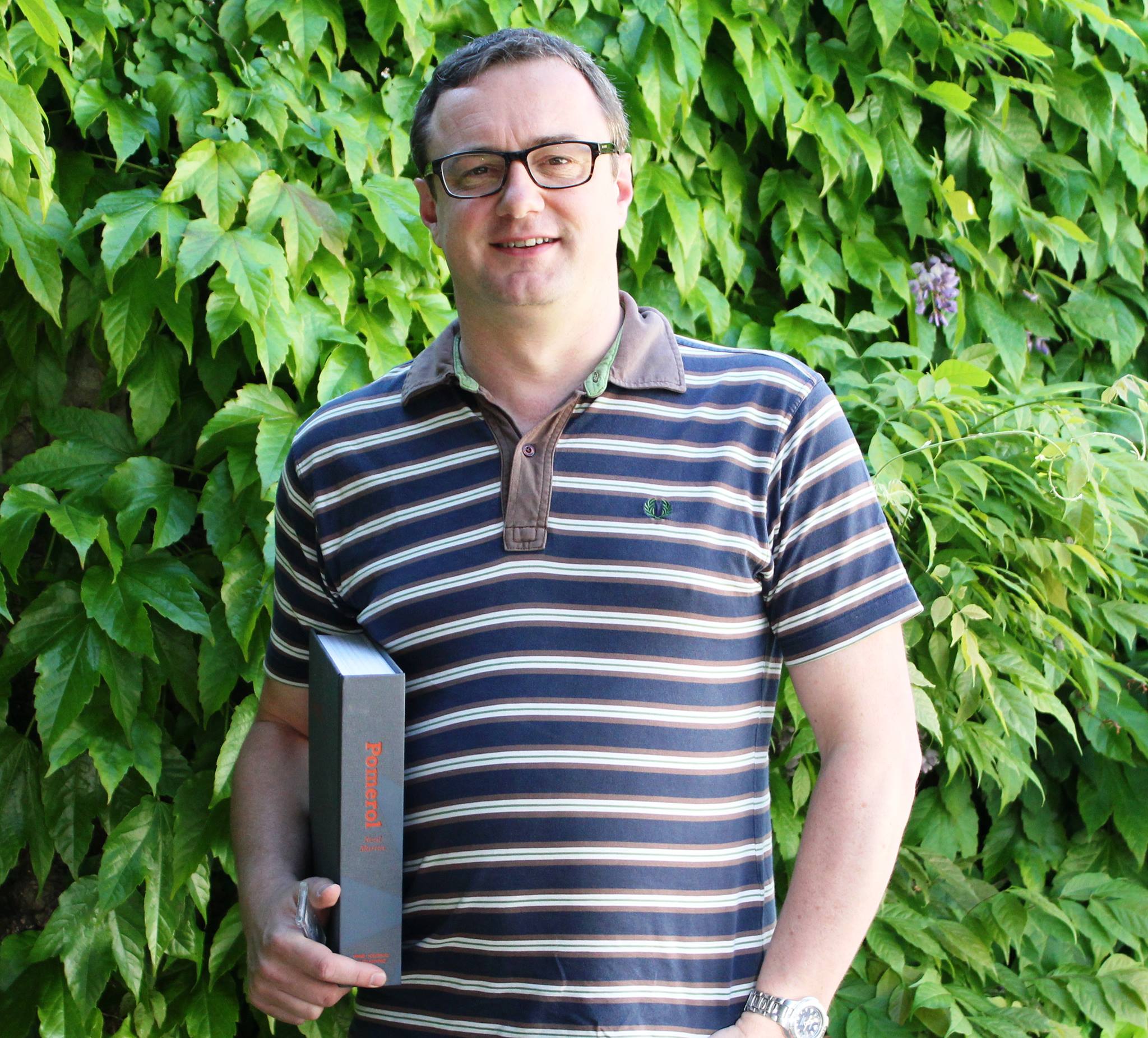
While Bordeaux and Burgundy winemakers and the wine industry world over eagerly awaits to see how Neal Martin’s tastes will influence the wine scene, he himself is nonchalant of all the attention showered on him post his appointment as the successor of US-based wine critic and President of The Wine Advocate, Robert Parker for the prestigious en primeur tastings. In an exclusive interview with Rojita Tiwari of Drinks & Destinations, Martin talks about his new responsibility, what it entails and why it’s business as usual for him.
Photo by Svein Lindin
How does it feel to be one of the most powerful voices in the wine industry?
It feels the same as when I wasn’t one of the most powerful voices in the wine industry. It is not a good idea to crave power, for it to be your objective. If you happen to become powerful that just means people like your work and appreciate your advice. Power is a vindication of doing something right.
At a time when the relevance of “en primeur” is questioned by many Bordeaux producers as well as the wine industry worldwide, what do you think of the future of this annual event?
I think en primeur will continue although it will probably shrink to a smaller number of properties. Some seem to be holding back part of their production, which has implications for the entire system. And if they pursue such a strategy, which is their legitimate right, I think consumers have a right to know what percentage that represents if they have to make a buying decision.
Tell us in brief about your journey from working with the Japanese Importer in London to now becoming the successor of Robert Parker.
I bought wine for 10 years as part of a Japanese company and started Wine-Journal in 2003. It became a huge success and made my name. I joined Robert Parker in 2006 and continued Wine-Journal as part of his website and then over time I have started to cover more regions for The Wine Advocate, including Bordeaux and Burgundy, which were always the mainstays for Wine-Journal. So in a funny way, I have come back to what I was originally doing.
Besides Bordeaux, you also taste a lot of wines from other regions. According to you, which are the most underestimated wine regions at the moment?
South Africa and Hungary. Perhaps Bandol and definitely Rivesaltes/Banyuls.
Your book Pomerol has received many awards and recognitions? Any new book in the pipeline?
There is always a book in my head. Yes, I would like to do one in the not too distant future.
You have been writing on wines, wineries, and wine makers for a long time. According to you, what’s the best way to tell a great wine story?
Depends on how you want to tell it. Do you want to relate the facts? Do you want to entertain? Do you want to challenge preconceptions, the status quo? Do you want the reader to feel some emotion? Anyone can tell a story, some do it better than others.
What are your views on the Asian wine industry and Wines of Asia, including India?
I am afraid I don’t have much experience of Indian wine but my mind is always open. If you include China as part of Asia then that is quite interesting and we have a new reviewer for The Wine Advocate who has just published his first report on that country.
As a wine critic, what, according to you is the best and most efficient way of handling criticism?
Ignore personal attacks but take on board any that you feel are objective and might benefit your work. You have to have a thick skin.
What are the steps to become a successful wine critic?
I think it’s just dogged perseverance. It takes a long long time to build an audience, to obtain their trust, to form some kind of bond between you and them. Also, wine critics need to have a personality that people can relate to, interests outside wine. If you are essentially a robot churning out numbers then your shelf life is limited. People expect more because of the Internet. You have to ask yourself why a stranger would invest their precious time in you and not somebody else.
How important is a wine degree or certification from a wine institute if someone wants to be a wine writer and critic?
I don’t think it is important at all. I learned the basics doing a WSET course and it was very useful, a great way to start. More important is experience, both tasting wine and visiting vineyard/wineries, hard work and determination, maybe a clear vision of how you are going to contribute to wine writing.
What would be your advice to your daughters if they decide to become wine writers or critics when they grow up?
Marry someone rich.
What next?
Finish off this piece of Château Giscours for the August issue and then pick the girls up from school and a cup of tea.
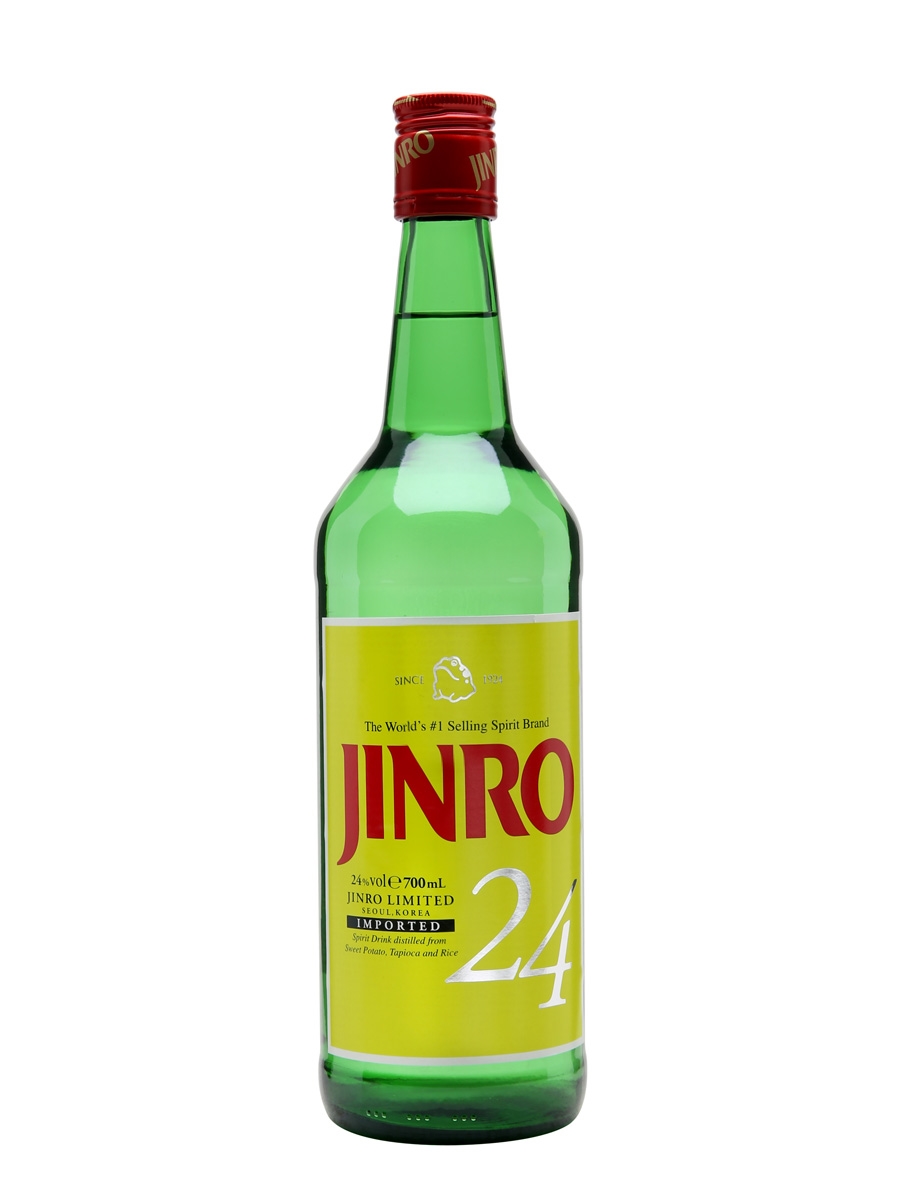
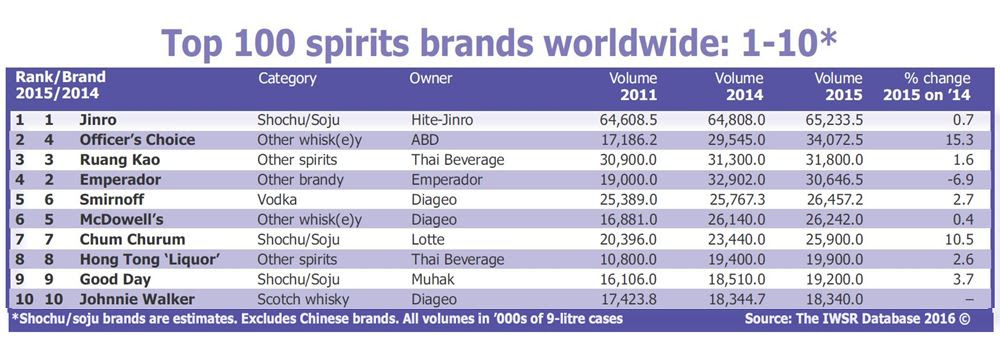
Three soju brands (Jinro, Chum Churum and Good Day) feature in the top 10 in this year’s IWSR Real 100. Hite-Jinro’s namesake soju brand Jinro remains the number one spirits brand in the world, with consumption increasing by an additional 425,000 cases in 2015 and total volumes surpassing 65m cases states the recently released IWSR report.
Jinro, which sells predominantly in South Korea, has dominated the global spirits market for more than a decade. The success of the brand remains firmly rooted in the ubiquitous nature of soju consumption across South Korea, particularly at mealtimes, and it is unsurprising that six Korean soju brands are present in the top 100 global spirits brands.
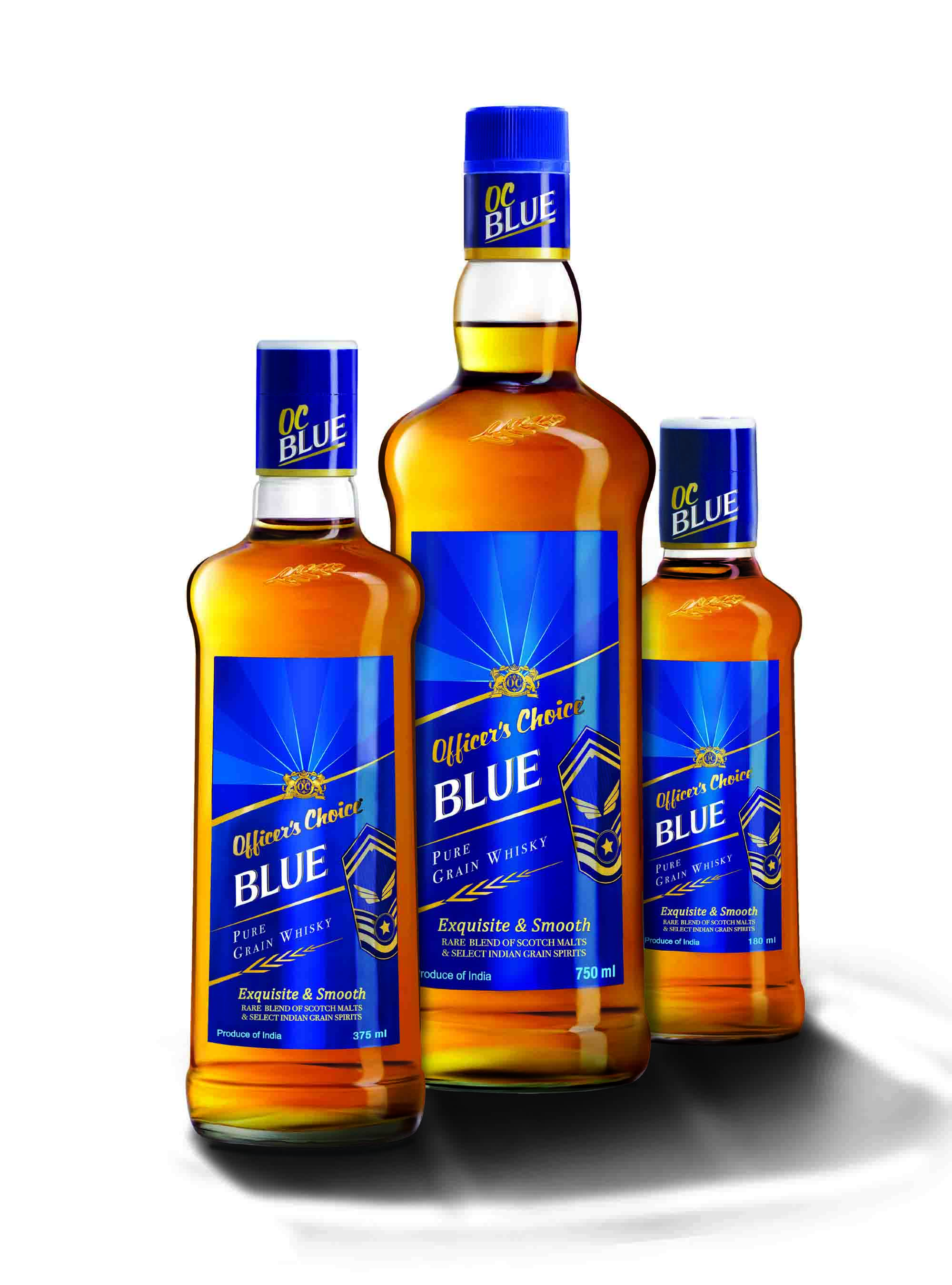
Climbing into second place this year is ABD’s Officer’s Choice whisky, which saw an impressive increase of over 4.5m cases between 2014 and 2015, with the lion’s share of volume growth stemming from the brand’s home market, India. Officer’s Choice, which sat in fourth place in 2014, saw the largest volume growth of all the top 100 brands and total global consumption rose to over 34m cases last year.
Meanwhile, a difficult year for Emperador brandy has seen it slip down to fourth place as consumption levels contracted for the first time since 2009. Overall volumes were down by 2.3m cases in 2015, bringing the brand’s total global sales to 30.6m cases. Sales in the Philippines have been affected by a general slowdown in the brandy market, with the category widely perceived to have reached saturation point. Demand instead seems to have turned to the aspirational whisk(e)y category, which grew by 26.2% in 2015 compared to a contraction of -5.8% for brandy.
The first international brand to appear on the Real 100 list is Diageo’s Smirnoff vodka, which overtook McDowell’s whisky to become the fifth-largest global spirits brand and which remains the largest-selling vodka worldwide. With a 2.7% increase on 2014 volumes, global consumption of Smirnoff reached a new record high, climbing to 26.5m cases last year.
Despite a flat year in terms of volume growth, Johnnie Walker Scotch whisky remains in 10th position in the 2015 global rankings. Growth in the brand’s premium-and-above portfolio – including lines such as Black Label, Double Black and Gold Reserve – countered falling volumes for the standard Red Label line, which suffered losses in a range of markets including Brazil, Thailand and the US.
The Real 100 list highlights the importance of emerging markets in terms of sheer volume size in the global spirits market, which grew by 0.5% in 2015. To put this in context, leading brands from India,
Japan and Brazil together account for over a third of the brands making an appearance in the Real 100 rankings. Even more evident from the list is the dominance of local whiskies and other local spirits brands, including cane, cachaça and soju/shochu, which far outnumber brands from more internationally facing categories such as Scotch whisky or gin.
The IWSR’s Real 100 list is the definitive list of the world’s largest spirits brands by volume. Comprising the powerhouses of the spirits world, the 2015 list ranks the largest local players against internationally renowned brands across all markets and across all spirits categories, including whisk(e)y, vodka, brandy, gin and national spirits.
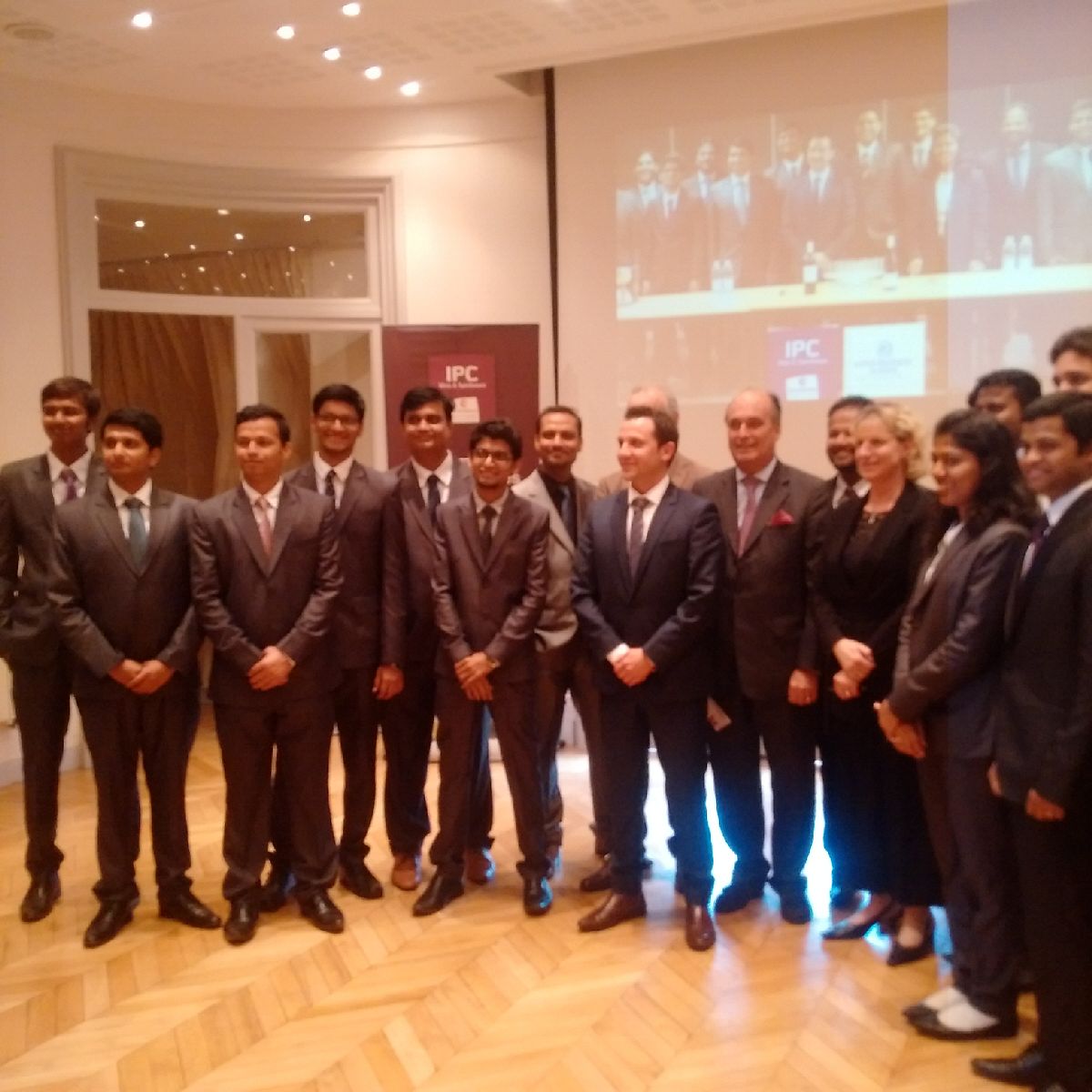
The Chamber of Commerce of Bordeaux recently celebrated the official launch of a new partnership between one of its schools specialised in Wine Education (Institut de Promotion Commerciale (IPC)) and Lotus Business School of Pune, India. 14 students from India are currently in Bordeaux where they began this one year course entitled Wine & Spirit Business Management Certificate which they actually started in February in Pune. The aim of this programme is to train Indian students who are eager to develop their skills in the wine industry – marketing, management, sales, web technologies and tasting. Yann Chaigne, Head of Education at IPC Bordeaux was involved in compiling the programme. Following the theoretical sessions, the students will finish the course with a 3 to 6-month internship either in France or abroad. One of the supporters of this initiative, the Conseil des Grands Crus Classés 1855 said during the opening ceremony that it was wonderful to see such motivated students who will surely contribute to the expansion of the Indian wine market. Certain students began their career in other fields such as banking or commerce. One of them explained to Brinda Bourhis, Founder of the Bordeaux-based firm Winevox, “Even if the consumption of wine in India is still tiny, there are more and more Indians interested in wine, and after this programme, my idea is to set up my own wine business in India”. Another added “I’d really love to stay on a bit longer in Bordeaux after the course, work for a wine merchant or chateau to get hands-on experience…and improve my French”!
This initiated by Lotus Business School & IPC Bordeaux, France is to meet the ever growing demand of professionals needed in the Wine Industry globally. It is a complete initiative to enrich through impeccable credentials and practical exposure to facilitate the requirements of the wine Industry.
Cathay Pacific sometime back appointed Hong Kong-based Master of Wine Debra Meiburg to the airlines wine panel. Debra will join existing Cathay Pacific wine consultants Lau Chi-sun and Roy Moorfield to pick out new wine selections for passengers in all classes of travel. Debra who is also an award-winning author, educator and international speaker has for the first time teamed up with an airline to select fine wines for the enjoyment of passengers on board.
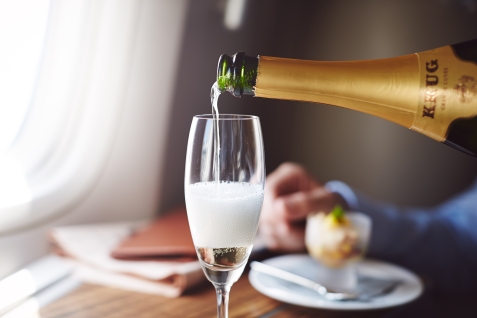
The airline is known for serving finest wines onboard all its flights, it also conducts wine tastings at Cathay City often. In 2015, more than 2,000 bottles of wines were sampled with more than 40 picked. When the Cathay Pacific wine panel find a good wine on the ground, it requests the wineries to fly their bottles to Hong Kong for blind tasting so that the panel can identify whether the wine can withstand the stress of flying. Last year Cathay served a whopping 1.8 million bottles of wine onboard its flights, enough to fill 150 standard 20ft containers.
Some of the wines on offer in First or Business class are: Jean-Marc Brocard Chablis Grand Cru 2013, Akura Pinot Noir Bannockburn Central Otago 2013, Marchesi de’ Frescobaldi Mormoreto, Toscana IGT 2010, Yealands Estate Land Made Sauvignon Blanc Marlborough 2015, Dandelion Vineyards Lionheart of the Barossa Shiraz 2013 and Pietraregia Reserva Morelino di Scansano Riserva DOCG 2011.
When it comes to gastronomic experience, the airline scores high. Through specially crafted menus, the airline caters to different countries across the globe with varied cultures and preferences. For flights from India, Cathay Pacific offers a choice of three courses, vegetarian and non-vegetarian meals that include a starter, main course, and dessert. Cathay Pacific also has more than 20 special meals on offer to passengers who have special dietary, cultural and religious needs. The airline has seen the rise of vegetarian meals over the years and for that reason, it offers more than five types of vegetarian cuisine including Indian, oriental, lacto-ovo and vegan increased. There is also a surge in demand for healthier meals including requests for fruit platters, low salt meals, and low-calorie meals. Special meals are also prepared by Cathay Pacific with a minimum of 24 hours’ advance notice. The airline also modifies its in-flight menu on a monthly basis, including in Indian routes.
Cathay Pacific has worked in close collaboration with premium restaurants, hotels and Chefs with Michelin credentials for quite some time. In 2015, they partnered with Mandarin Oriental Hotels for the design of First Class menus. The airlines in-flight menus are ever changing, taking the opportunity to incorporate fresh vegetables and fruits which are in season, while also offering light and healthy dining options.
The Indian grape brandy JANUS from Sula vineyards has won a bronze medal in the tasting category at the recently concluded prestigious International Spirits Challenge 2016.
The product launched in 2015 is India’s first brandy made of 100% premium grape spirit. “We are thrilled to receive this prestigious recognition,” said Rajeev Samant, CEO, Sula Vineyards. “This acknowledgement further validates JANUS’ groundbreaking project to create India’s first 100% premium grape brandy. Winners are determined in part by experts in the industry. We are pleased that they have recognized our efforts to lead the industry in terms of innovation and quality.”
Deriving its name from the ancient Roman deity with two faces, JANUS embodies the exceptional French Cognac making heritage and the expertise of Sula in selecting the best Indian grapes. JANUS is made from carefully selected grapes from the best Indian vineyards which are then double distilled in small batches using traditional French alembic pot stills, to produce a liquor of exceptional smoothness and character
JANUS is currently available in 750 ml and 180 ml. A 750 ml in Karnataka is priced at 1900 INR, Andhra Pradesh INR 2390, Telangana INR 2265. In Goa, Pondicherry, Daman, and Silvassa JANUS is retailed at INR 1500 and available across leading outlets. It is manufactured by Artisan Spirits, 100% subsidiary of Sula Vineyards.
Full results are published on the International Spirits Challenge (ISC) website http://www.internationalspiritschallenge.com
Also, read my earlier article on JANUS launch in July 2016 featured on Just-drinks.com here .
The Consulate General and Promotion Centre of the Argentine Republic in Argentina, together with Restaurant LIMA, had recently organised an event called ‘FLAVOURS OF ARGENTINA’, dedicated to promoting Argentine tourism, culinary, wine and culture, all aimed towards encouraging an open business climate between India and Argentina.
Acting Consul General Alejandro Zothner Meyer raised the toast and invited the guests to enjoy the wines of Argentina with some culinary must-haves. Needless to say, the wines were Malbec specials like Dominio de la Plata Crios, Trapiche Oak Malbec and white wines like Trapiche Sauvignon Blanc and Dominio de la Plata Crios Torrentes. Sommelier and CEO of All Things Nice, Nikhil Agarwal introduced the wine region and spoke about the wines of Argentina.
The evening slowly came alive with tango performances by BTangoConscious. As guests savoured the wines with argentine food specialties like luscious lamb meatballs, fugazza, choripan and empanada chicken, the music ascended to Latin fever-heights with salsa, bachata, and cha-cha, bidding everyone present to the dance floor.
The fun-filled evening was attended by representatives and heads of travel companies, popular restaurants in the city, famed sommeliers, wine importers, wine enthusiasts and captains of industries from various sectors in which India and Argentina share a common trading platform. Also present were the prominent director, Shyam Bengal and his wife. Other guests included Chef Vicky Ratnani, Sumer Vaswani from Blue Frog, Food blogger, Sameer Malkani, Rojita Tiwari from Drinks and Destinations and Blaise Fernandes, CEO of Gateway House.
The Only Feed You Need: Booze, Buzz & Beyond
Stay informed with curated content and the latest headlines, all delivered straight to your inbox. Subscribe now to stay ahead and never miss a beat!